
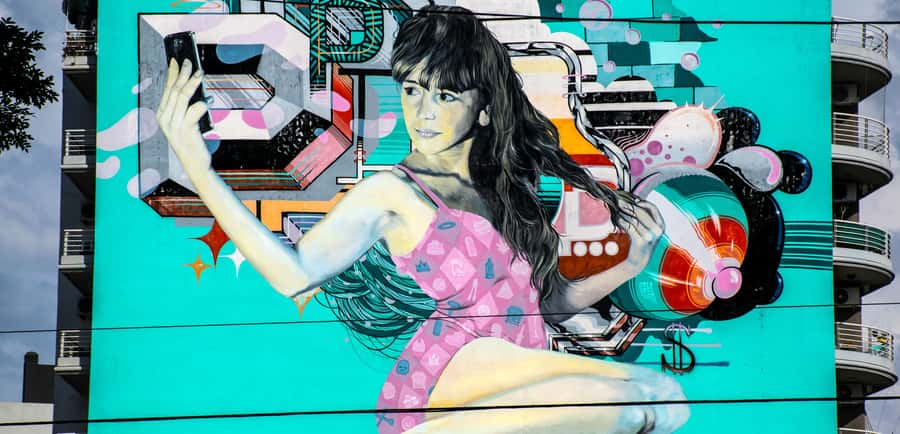
Reviewed · PALERMO TOURS
Palermo: Graffiti and Street Art Guided Tour in English
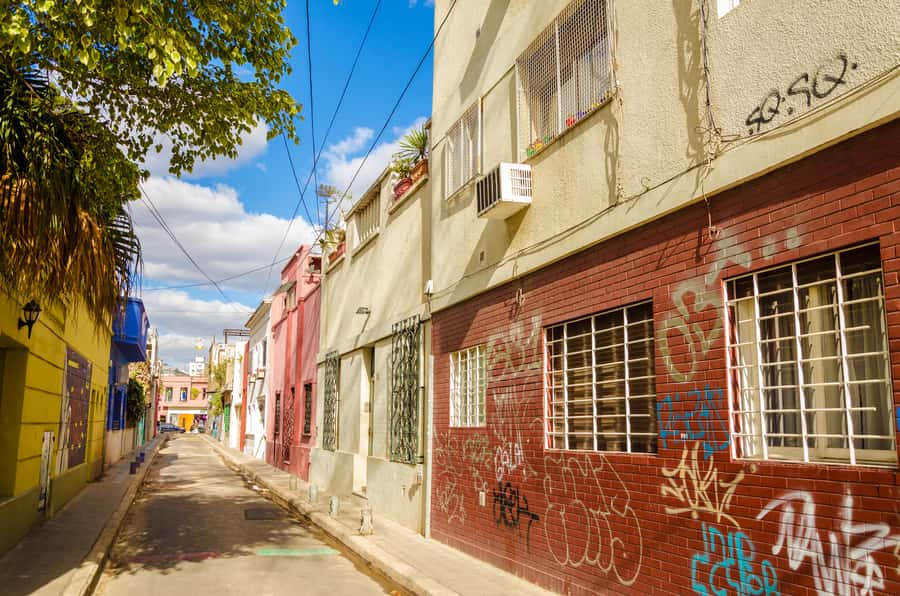
Palermo’s walls tell a story that reaches beyond paint. On this two-hour walk, you’ll see street art in one of Buenos Aires’s most eclectic neighborhoods while learning how political movements, election campaigns, and protest shaped the city’s graffiti culture.
I like two things in particular: the tour connects the images on the walls to Argentina’s political past, and the guides bring in local subjects such as football and neighborhood life. You’ll come away with more than a camera roll; you’ll have some context for what you’re looking at.
The main consideration is that this is a walking tour, not a gallery visit, and the group can be large. It lasts two hours, runs in rain, and includes no food, drink, or hotel pickup, so plan your day around the walk.
- Political beginnings: Hear how graffiti served as endorsement and campaign propaganda in the 1920s.
- A change in tools: Learn how aerosol paint, arriving in 1969, made it possible to put messages on walls faster.
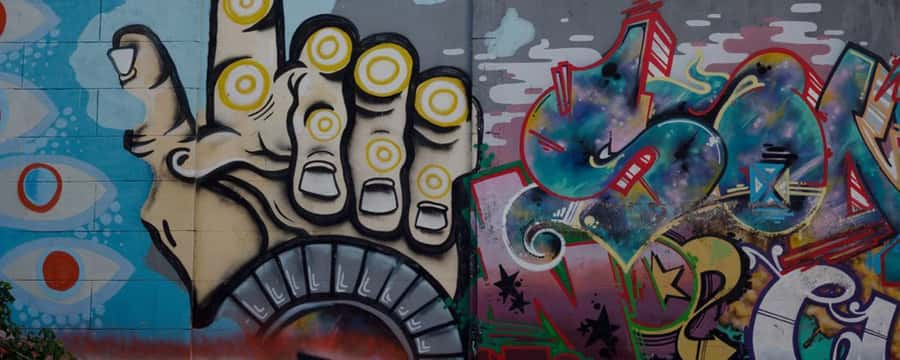
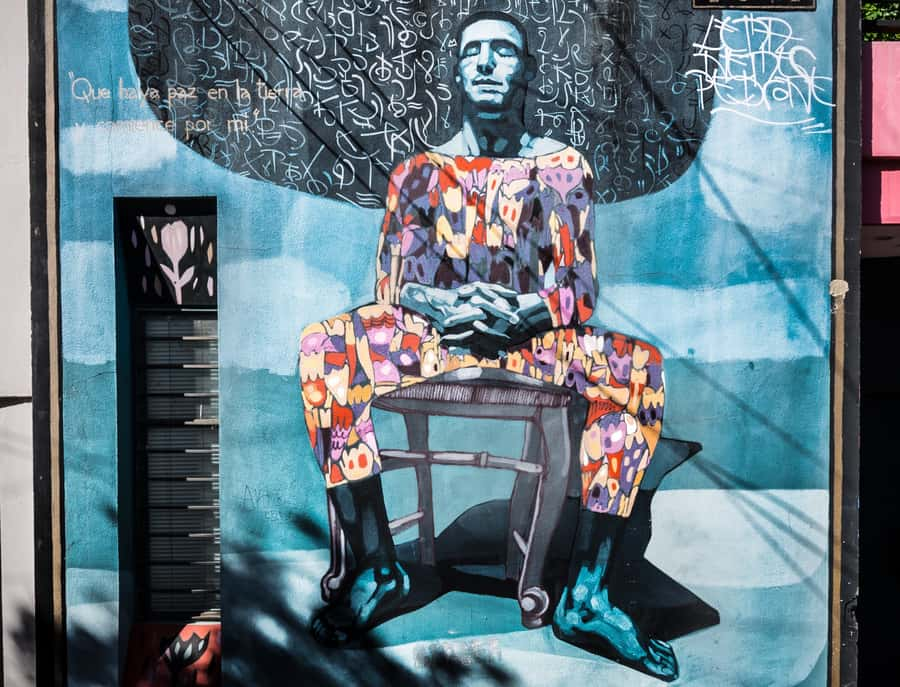
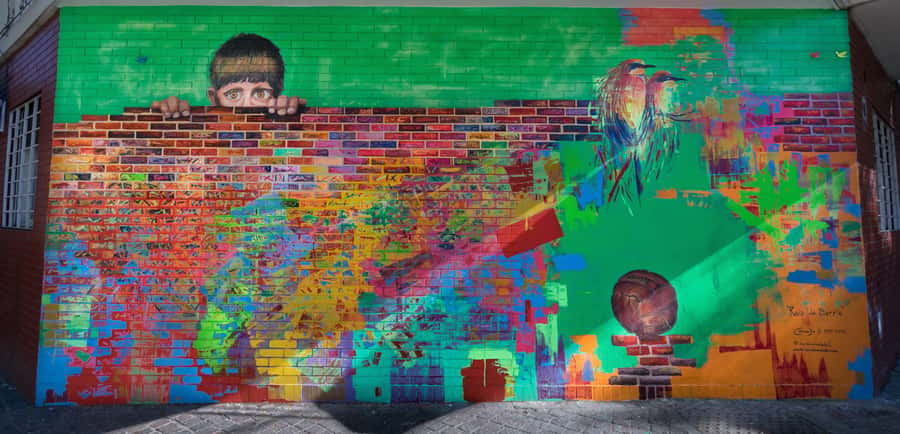
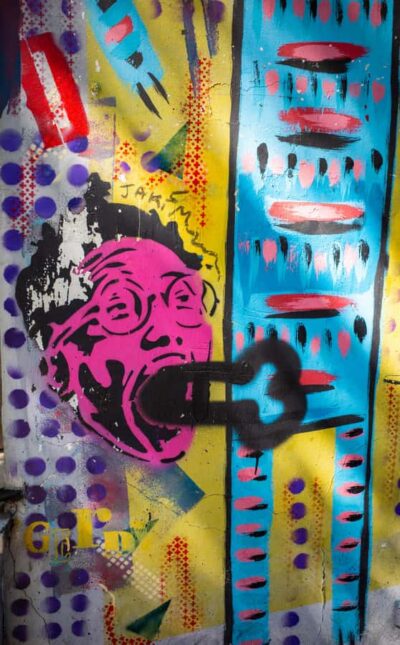
- Palermo’s street-level art: Look for murals and graffiti, including football imagery and works in varied styles.
- The Trump Wall: Stop to photograph graffiti at Madison Avenue Bar.
- Local guides: Guides named on recent tours include Juan, Vito, Victor, Aylen, and Elina.
- A useful short outing: The walk takes two hours and costs $13 per person.
Palermo’s walls carry Argentina’s political past
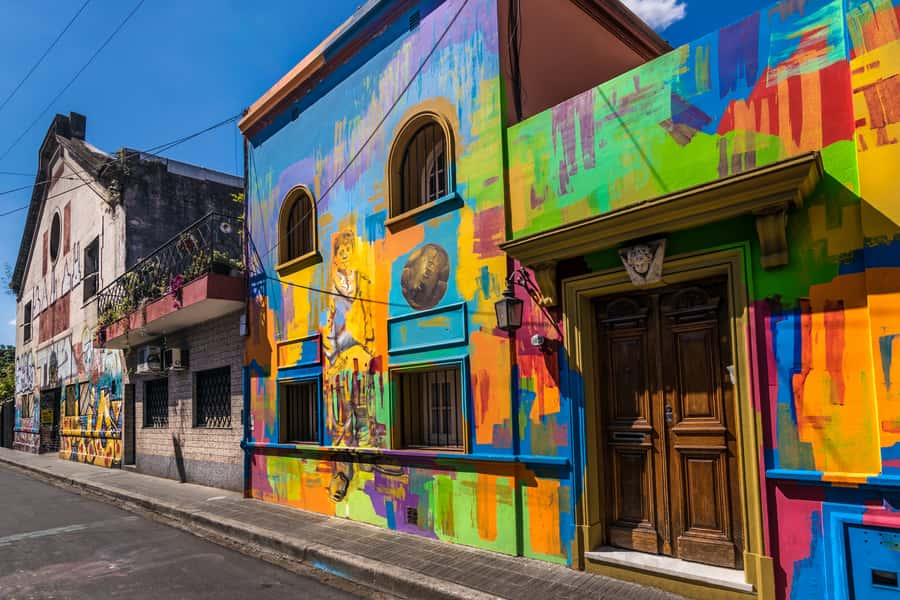
This tour treats graffiti as more than decoration. You’ll walk through Palermo looking at street art while your guide links it to Argentina’s political movements and the social conflicts that shaped its use. That context makes the walls easier to read: a slogan, a portrait, or a mural can carry a message that a quick photo alone will miss.
The story reaches back to the 1920s, when political movements were gaining ground and graffiti could work as public endorsement or campaign propaganda. The tour then follows changes in the tools and political climate, including the arrival of aerosol paint in 1969 and its effect on how quickly people could put messages on walls.
That history gives the walk a clear thread. Rather than treating every painted wall as an isolated artwork, you’ll hear how graffiti became part of a public conversation, and how people became increasingly involved in protest amid social conflict during the 1970s.
Starting at Plaza Serrano, also called Plaza Cortázar
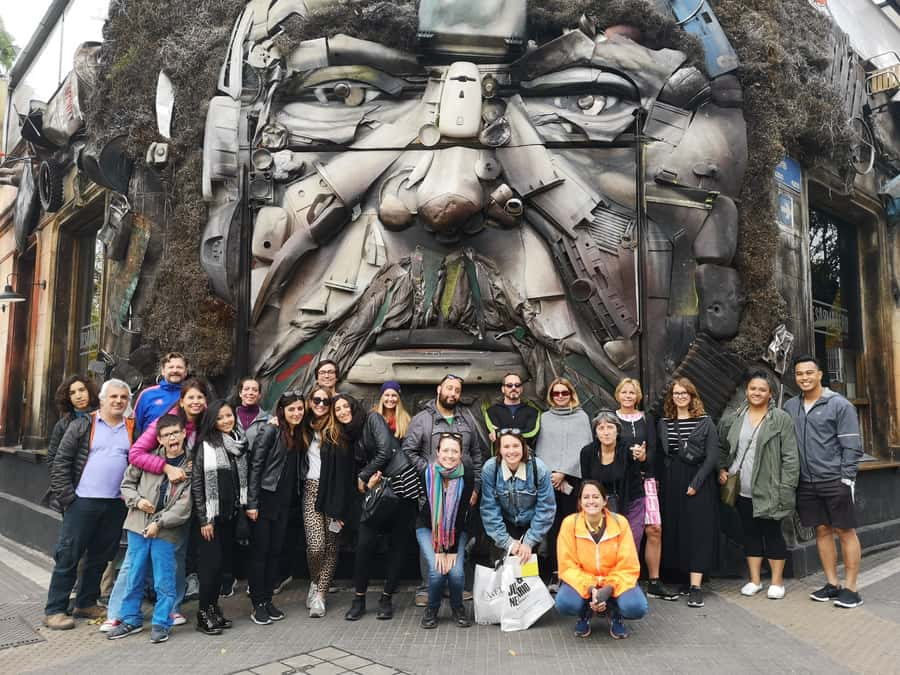
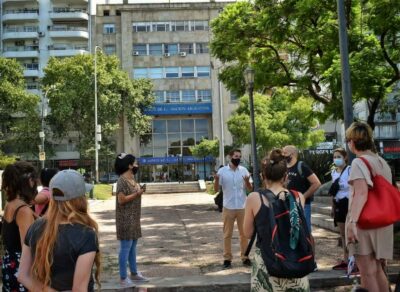
The meeting point is Plaza Serrano, also known as Plaza Cortázar, at the corner of Jorge Luis Borges and Honduras streets. Look for a guide wearing an orange T-shirt and standing by the large PALERMO sign. Since the square has two common names, use the street corner as your main reference if you’re checking directions.
The tour starts at Plazoleta Julio Cortazar and finishes at Plaza Inmigrantes de Armenia. These are useful landmarks for planning your arrival and what comes next, but the experience itself is a guided walk through Palermo rather than a transfer between attractions.
Arrive ready to walk and keep your phone or camera handy. The route includes street art that you might otherwise pass without noticing, and the guide’s explanations can help you spot details in the work and make sense of its setting.
More Palermo tours in Buenos Aires:
- Buenos Aires: Empanada & Alfajor Cooking Lesson in Palermo
★ 4.6 · 186 reviews - BA: Empanadas and Alfajores Cooking Experience in Palermo
★ 5.0 · 112 reviews - Buenos Aires Bike Tour: North Districts, Recoleta and Palermo
★ 4.5 · 91 reviews
Reading Palermo’s murals, slogans, and football imagery
Palermo is presented as one of Buenos Aires’s most eclectic neighborhoods, and the art on this walk spans different subjects and styles. Football murals are among the works described on the route, alongside pieces with very different imagery, such as butterfly murals. This variety gives the guide room to talk about art, local identity, and the city’s strong connection to football.
The benefit of a guided walk is not simply seeing more walls. Your guide can point out details you might miss and explain what is known about the artists and the stories behind the works. That turns a sequence of photo stops into a way of looking at Palermo with a sharper eye.
The tour also places the art within the neighborhood. Palermo is described as a polished, well-off part of the city, a setting that can prompt useful questions about where street art appears and how it is viewed. You’ll hear the history alongside the art, rather than getting a tour focused only on technique or photo opportunities.
From campaign paint to aerosol messages
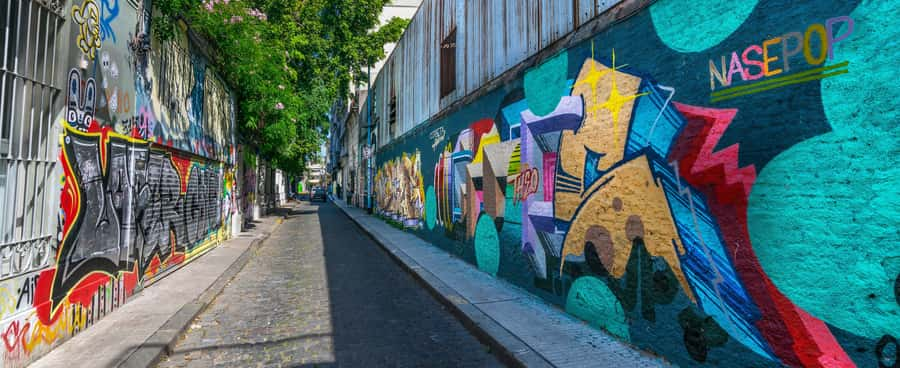
The most substantial part of the tour’s subject matter is the link between graffiti and politics. In the 1920s, walls could carry political endorsements and election messages. Graffiti was not just a private mark or an artist’s signature; it could serve a public campaign.
The arrival of aerosol paint in 1969 changed the pace of that communication. The new material let people write messages much faster than before. The tour connects this shift to urban movements in the 1970s and to a period marked by a different military government and growing social conflict.
The supplied details don’t name specific political groups or identify every mural’s meaning, so it’s best to approach this as an introduction rather than a full political history. Still, the broad arc is valuable: you’ll learn why street art in Argentina can carry political weight, and how protest became increasingly visible in public space.
Photographing the Trump Wall at Madison Avenue Bar
One named stop is the Trump Wall’s graffiti at Madison Avenue Bar. It gives you a clear photo opportunity and a specific example of political imagery within the walk. Because the tour focuses on the art and its context, you can ask your guide how a particular work fits the wider story rather than treating the wall as a standalone novelty.
The stop is also a reminder that public art can be topical and pointed. The provided information does not explain the wall’s full background or promise that any particular image will remain unchanged, so take the opportunity to look closely while you’re there. The value lies in seeing the work in its neighborhood setting and hearing the guide’s interpretation.
More street art tours in Buenos Aires:
- Private Street Art Tour in Buenos Aires
★ 4.9 · 7 reviews
Guides who make the two hours count
The guide is central to this experience. Recent tour guides named by participants include Juan, Vito, Victor, Aylen or Ailen, and Elina. The specific guide on your departure may differ, but the recurring strength is an engaging way of connecting street art with Argentine history and culture.
The guiding style sounds lively and personal. Guides have been praised for using humor, answering questions, and weaving together art, politics, football, and local stories. That mix matters: two hours of looking at walls could feel repetitive without a good narrator, while a guide who gives each piece a context helps the walk keep moving.
Group size can vary. Some departures have been described as large, but the group was managed and people could hear the guide. If you prefer a very small group, there is no fixed group size provided, so you should not count on that. The tour is wheelchair accessible, but the provided information does not give details about the exact surface or conditions along the whole route.
A $13 walk with a strong return
At $13 per person, the tour offers two hours of guided interpretation in a neighborhood where the art is part of the streetscape. The price is most worthwhile if you want to understand what you’re seeing, not simply wander past murals and take pictures. A guide adds the political timeline, artistic context, and local details that make the walk more than a photo hunt.
It’s also a manageable way to spend part of a day. Two hours is long enough to build a story around the route, yet short enough to leave time for other plans. You’ll need to arrange your own transport to and from the meeting area, and food and drink are not included.
The tour has a rating of 4.8 from 684 ratings, a strong signal of consistent satisfaction. It is still worth weighing that against your own interests: if you are not drawn to art, politics, or neighborhood history, the walk may feel less rewarding than a tour centered on Buenos Aires’s major landmarks.
How to plan for the walk
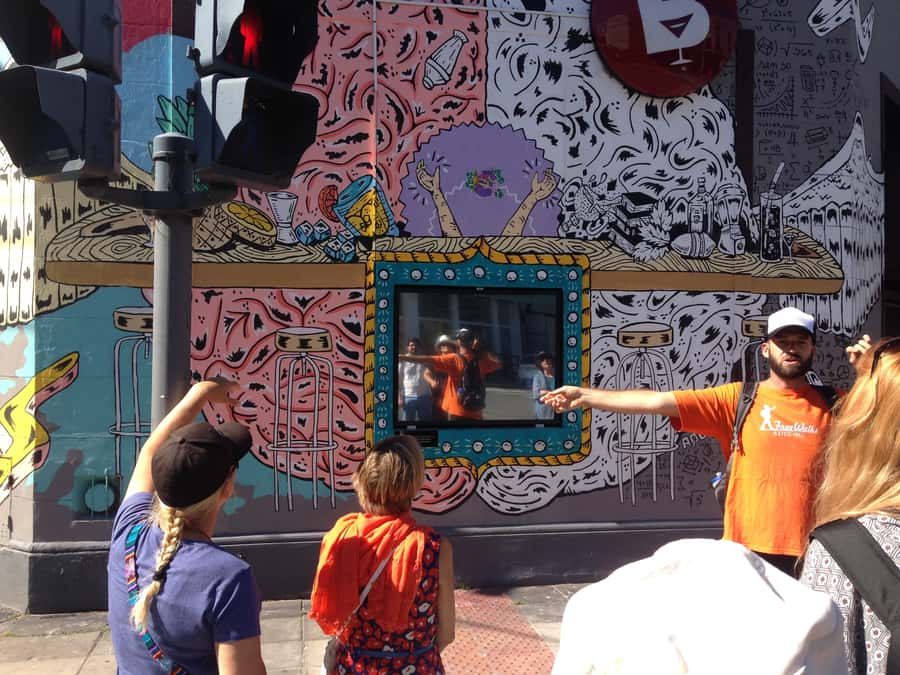
Wear shoes you’re comfortable walking in and check the meeting point carefully: Plaza Serrano and Plaza Cortázar are two names for the same square. The corner of Jorge Luis Borges and Honduras streets is the clearest address, and the guide’s orange T-shirt and PALERMO sign are there to help you find the group.
The tour goes ahead in rain, so bring suitable clothing if the forecast looks wet. There is no hotel pickup or drop-off, and no food or drink is included. It’s sensible to eat beforehand or plan a meal after the tour, especially if you’re fitting it into a longer day of sightseeing.
You can cancel up to 24 hours in advance for a full refund, and a reserve-now, pay-later option is available. Starting times depend on availability, so check the schedule that fits your plans.
Who should book this Palermo walk?
I’d choose this tour if you enjoy learning about a city through its public art, or if you want a more specific way to explore Palermo than a general neighborhood stroll. It suits visitors curious about Argentina’s political past, street-art culture, or the way football and local identity appear on city walls.
It is also a good choice if you value a guide who can keep the subject lively and make room for questions. The tour’s strongest appeal is the combination of visual stops and explanation, not a promise to cover every artist or every chapter of Argentine history.
If you want a private experience, a guaranteed small group, or a detailed account of each mural, the available information does not promise those things. But for $13, two hours, and a clear route between central Palermo squares, this is a practical introduction to the neighborhood’s art and the history written across its walls. I’d book it if street art is more than a backdrop to you.
FAQ
How long is the Palermo street art tour?
The guided walking tour lasts two hours.
Where does the tour meet?
Meet at Plaza Serrano, also called Plaza Cortázar, on the corner of Jorge Luis Borges and Honduras streets. Look for the guide in an orange T-shirt by the large PALERMO sign.
Where does the tour finish?
The tour finishes at Plaza Inmigrantes de Armenia.
What language is the tour in?
The live guide speaks English.
Is the tour wheelchair accessible?
Yes, the activity is listed as wheelchair accessible.
Does the tour run if it rains?
Yes. The tour takes place even if it rains.
What is included in the price?
The price includes a two-hour guided walking tour. Hotel pickup and drop-off, food, and drink are not included.
Just added in Buenos Aires
- Wine Tasting in Buenos Aires★ 4.2 · 4 reviews
- Tango Show at El Querandi with optional Dinner★ 4.2 · 3 reviews
- Walking Tour: Buenos Aires bookstores★ 4.3 · 12 reviews
- Velez Sarsfield Football Match★ 5.0 · 3 reviews
- Private Underground Tango Immersion★ 5.0 · 31 reviews
- Tour Buenos Aires in one day on Electric Scooters★ 5.0 · 33 reviews
- Transfers from or to the airport In Argentina Your Best Choice★ 5.0 · 28 reviews
- Rojo Tango Show: Skip the Line Ticket including Private Transfer★ 4.5 · 40 reviews
Palermo Tours, compared.
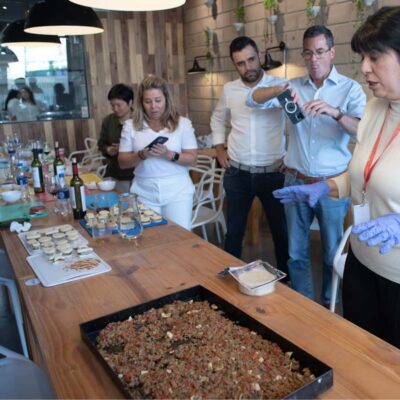
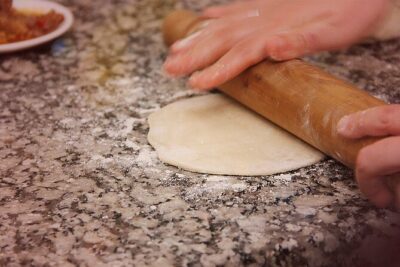
Empanadas and Alfajores Cooking Experience in Palermo
Read our review →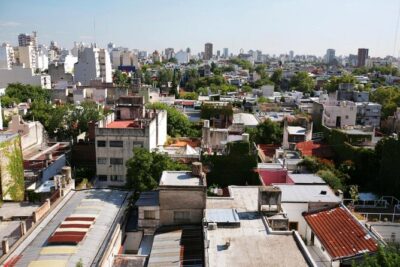
Buenos Aires Bike Tour: North Districts, Recoleta and Palermo
Read our review →
Argentinian Empanadas Cooking Experience in Palermo, Bs As
Read our review →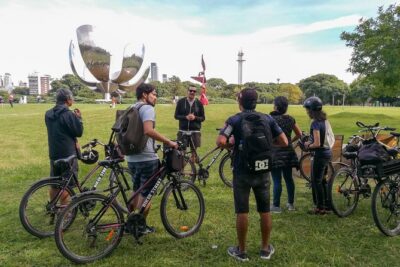
Cultural Experience by Bike around Palermo and Recoleta Max 6 ppl
Read our review →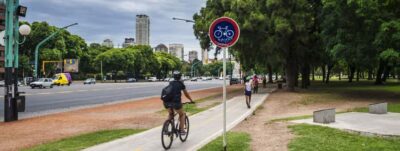
Browse the lists this tour appears in