
Reviewed · BUENOS AIRES COOKING CLASSES
Pachamama – Argentine Cooking Experience in Buenos Aires
Argentine cooking here is not a demonstration watched from a chair. You roll up your sleeves, help prepare local dishes and then sit down to eat them with Mendoza wine in a cozy, home-style setting. The meal is the point, but the stories behind mate, chimichurri and regional empanadas give the food its context.
I like two things in particular: you get to handle the ingredients rather than just sample the finished dishes, and the cooking leads into a shared meal with wine. The class also makes room for questions about Argentine food traditions, plus a welcome picada and city tips to take away.
One consideration: the cooking is a group effort, not a chance for every person to prepare every dish from start to finish. You may take turns with different tasks, so book for the food, company and learning as much as for individual time at the stove.
The useful details at a glance
- A hands-on menu: Help make a snack, appetizer, main course and dessert, with four recipes cooked from scratch.
- A taste of local traditions: The class covers mate, chimichurri and regional empanadas, alongside the food’s history and origins.
- A meal with Mendoza wine: Enjoy the dishes with Durigutti wines from Las Compuertas, plus vermouth, water and homemade lemonade.
- A small-group setting: The standard experience is limited to 10 participants, creating room to cook, ask questions and chat.
- Useful takeaways: Recipes arrive as a PDF through a QR code, and the team provides class photos and Buenos Aires recommendations.
A welcome bite before the cooking begins
Pachamama starts with a homemade picada, an Argentine spread of small bites. Here, it includes homemade preserves, pickles and local bread, served with a vermouth cocktail. It is a relaxed way to arrive, meet the group and get a first taste of the country’s table customs.
The opening conversation introduces Argentine cuisine and its history. The team also brings up familiar touchstones such as mate and chimichurri, helping connect the food you will cook with customs you may encounter elsewhere in Buenos Aires. That context matters: a cooking class can teach you a recipe, but a little background helps you understand why the dish belongs on the table.
This is not a formal lecture followed by a quick kitchen task. The aim is to keep the welcome social and the learning practical. If you are new to Argentine food, this is a useful start; if you already know the basics, you can still ask about ingredients, regional styles and the origins of the dishes.
More cooking classes in Buenos Aires:
- Buenos Aires: Empanadas and Alfajores Guided Cooking Class
★ 4.8 · 486 reviews - Buenos Aires: Empanada & Alfajor Cooking Lesson in Palermo
★ 4.6 · 186 reviews - BA: Empanadas and Alfajores Cooking Experience in Palermo
★ 5.0 · 112 reviews
Four recipes, shared tasks and plenty to learn
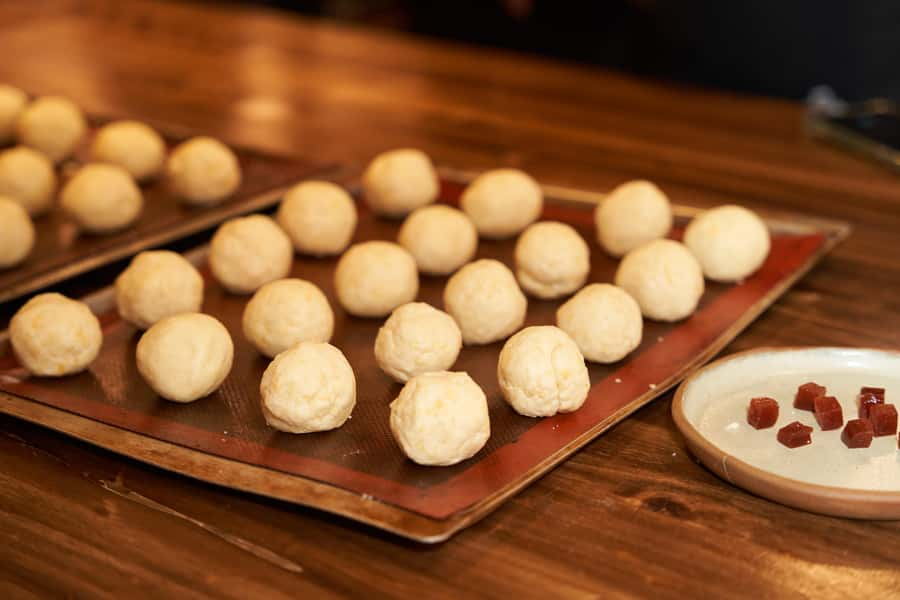
Once the introduction is done, the group moves into the kitchen to prepare a four-course local menu. The listed dishes include chipá with barbecue sauce and fermented spicy sauce, beef empanadas with chimichurri, gratinated humita stew, and crêpes flamed with dulce de leche, served with ice cream and homemade limoncello.
The class is described as cooking four recipes from scratch, while the full meal is presented as a five-step menu. The welcome picada is part of the overall food experience, alongside the cooked courses. That makes the format easy to understand: you taste something early, then help make the dishes that form the shared lunch.
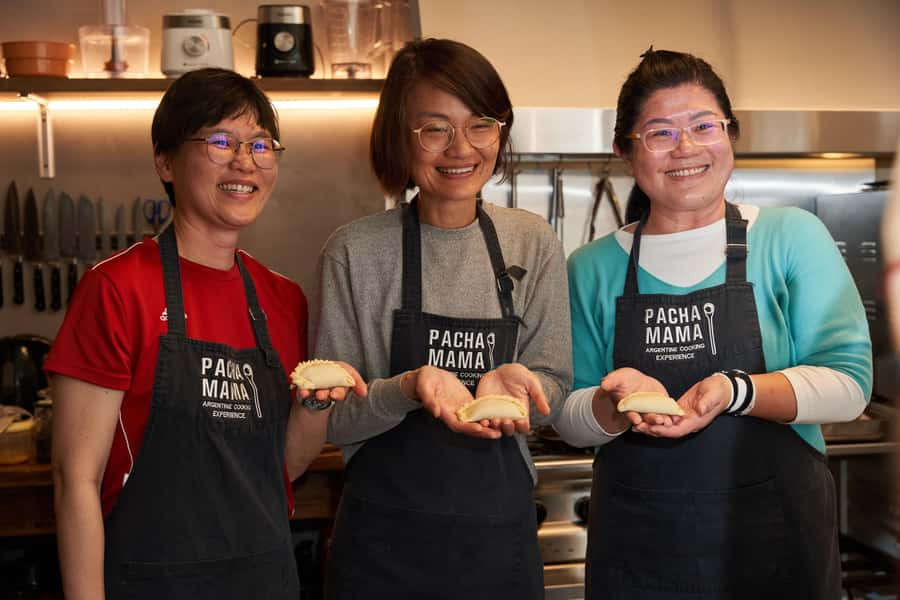
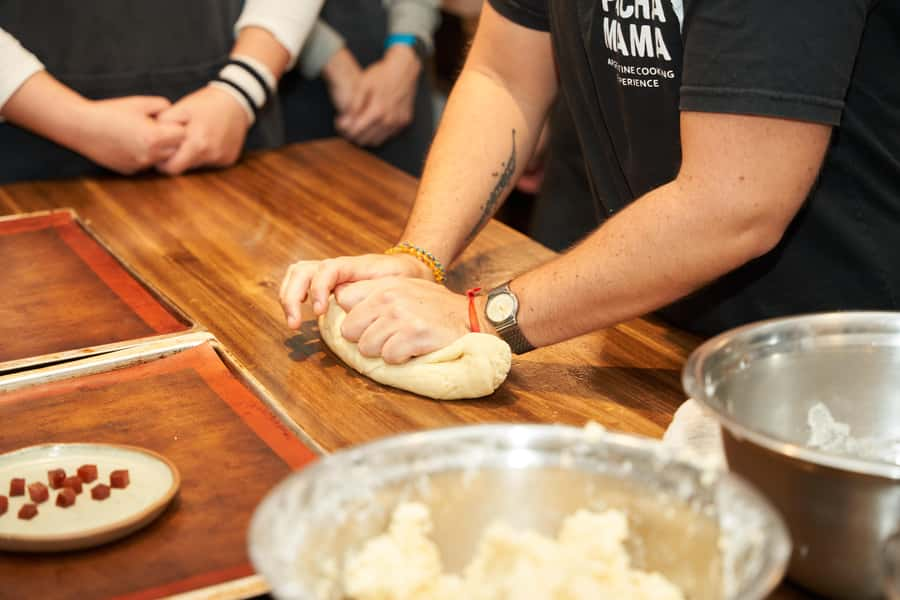
Expect to work as a team. Participants take turns assisting with preparation, rather than each person making every dish independently. That approach can make the session lively and sociable, and it means you get to see several parts of the meal come together. But if your ideal class has every participant rolling every empanada and preparing each course alone, this may feel less hands-on than you hoped.
The value is in the combination of doing and understanding. As you prepare the food, the team explains the recipes’ history and origins. You are not just copying a set of steps; you are learning what makes these dishes part of Argentine cooking and how sauces and regional ingredients fit into the meal.
Cooking classes depend on the people in the room as much as the recipes. Pachamama keeps the group small, with a stated limit of 10 participants for the standard experience. That gives you a better chance to join in and speak with the chefs than a large demonstration class would, though the shared format still means tasks are divided.
From chipá and chimichurri to dulce de leche
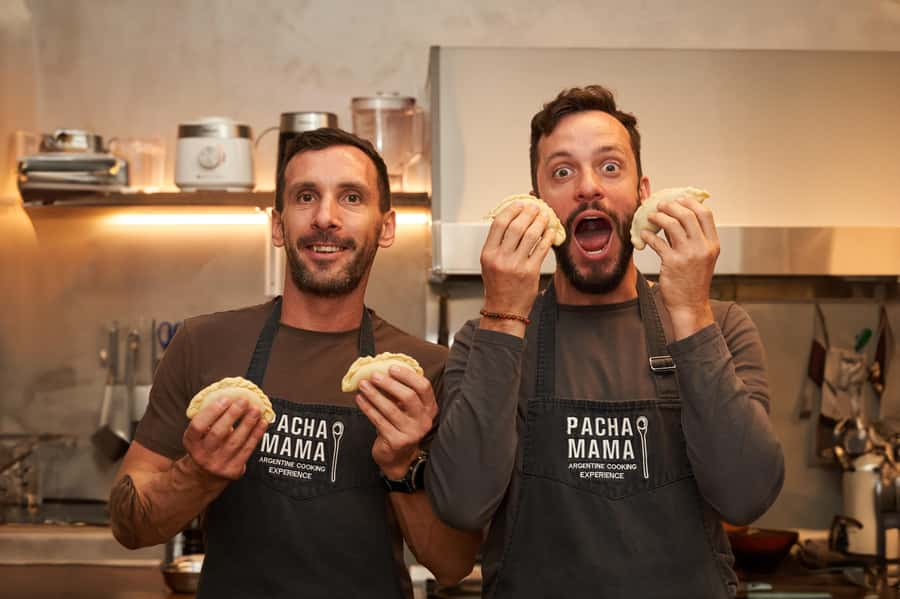
The menu moves through several familiar Argentine flavors. Chipá, a small cheese bread, appears with barbecue sauce and a fermented spicy sauce. Beef empanadas bring in one of the country’s best-known foods, with chimichurri on the side to add a sharp, herb-filled contrast.
The humita stew offers a different kind of comfort food. It is served gratinated, adding a baked finish to a regional dish. The menu then ends on a sweet note with crêpes flamed with dulce de leche, ice cream and homemade limoncello. You get a broad sample of savory and sweet cooking, rather than spending the whole class on one centerpiece.
This variety is useful if you are trying to get a sense of Argentine food in a single afternoon. It also gives the chefs several ways to explain local ingredients and traditions. The trade-off is that a four-course menu is ambitious for a short class, so the session prioritizes shared preparation and tasting over lengthy practice on any single recipe.
Dietary needs may be accommodated: the experience can be adapted to vegetarian, gluten-free and lactose-free diets. Raise your requirements when arranging the class rather than assuming that every dish can be changed on the day. The vegetarian option has worked well for participants, but the details of the adapted menu are not specified, so ask what you will be cooking and eating.
Sitting down together, with Durigutti wine
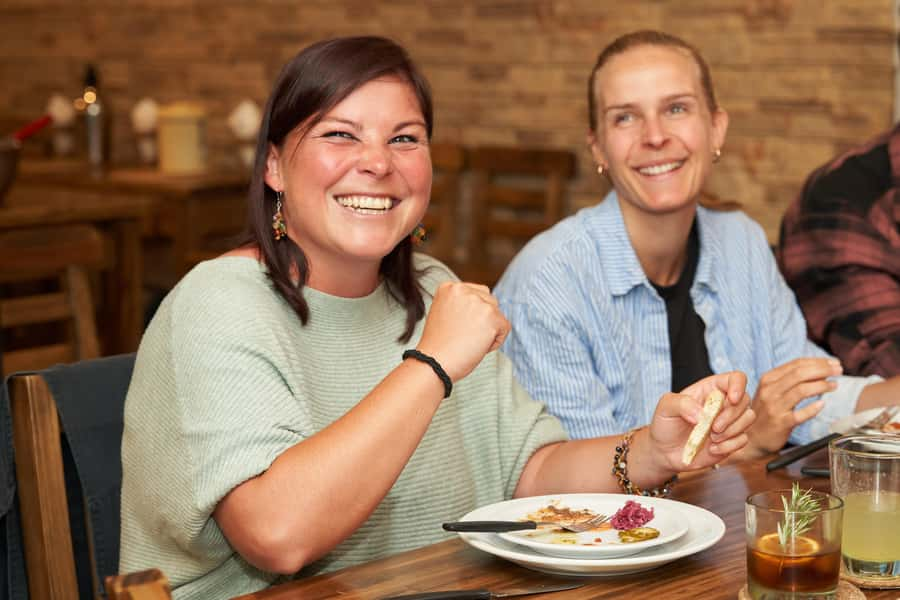
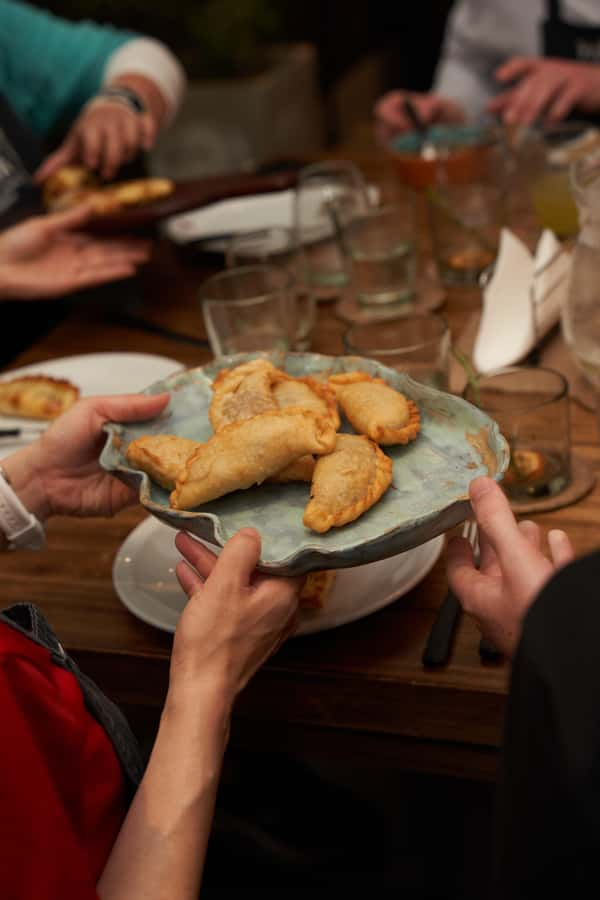
After the cooking, everyone gathers around the table to eat what the group has prepared. That shared meal is a key part of the experience. You get to taste the dishes in one sitting, compare notes with the people who helped make them and enjoy the cooking as a meal rather than a series of samples.
The food is paired with Durigutti wines from Las Compuertas, a Mendoza wine label. Vermouth, water and homemade lemonade are also included. Wine gives the meal a regional connection beyond Buenos Aires, while the non-wine drinks mean the table is not built around alcohol alone.
The setting is described as intimate and homey, with the chance to meet people from different places. If you are traveling solo or want an evening that feels more social than a restaurant reservation, this format has a natural advantage: the group has already worked together before sitting down to eat.
The meal is also a good moment to ask about the recipes you have just made. The team provides a PDF recipe book via QR code, so you can keep the instructions for later. Class photos and local Buenos Aires recommendations are included too, giving you practical reminders of the session and ideas for the rest of your visit.
More tours in Buenos Aires:
- Buenos Aires Hop-On Hop-Off Bus, Free Walking Tours & Discounts
★ 4.5 · 2,218 reviews - Buenos Aires: Piazzolla Tango Show with Optional Dinner
★ 4.4 · 2,122 reviews - Buenos Aires: City Highlights Guided Tour with Transfer
★ 4.7 · 1,946 reviews - Buenos Aires: Hop-On Hop-Off City Bus Tour
★ 4.2 · 1,855 reviews
Friendly instruction, in English
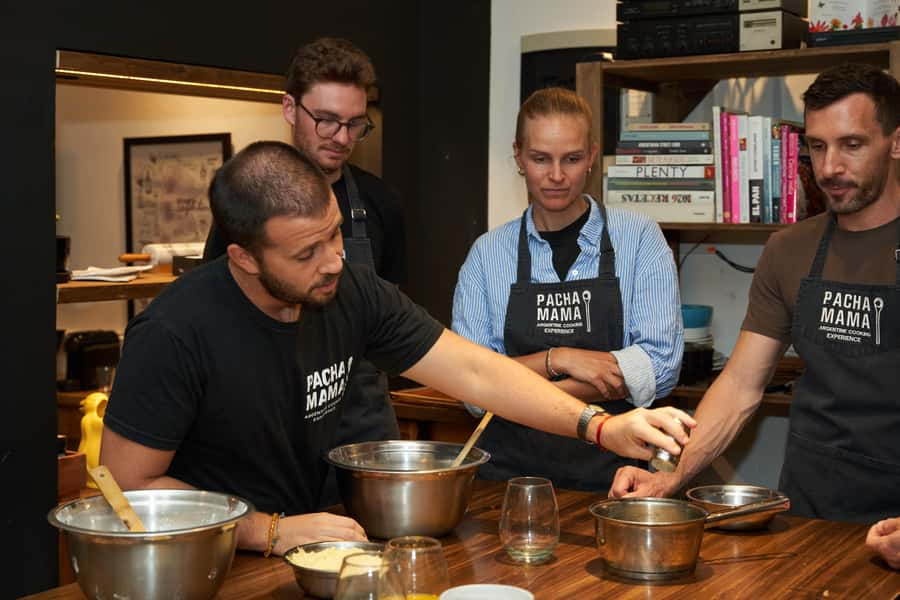
The experience is conducted in English, which makes it straightforward for visitors who do not speak Spanish. Private groups can request a class in Spanish. The cooking team is led by Franco, whose staff are described as friendly, organized and professional, with particular care taken to help the group have a good time.
That organization matters in a class with several dishes and a shared kitchen. The session needs to move at a steady pace so that cooking, explanations and lunch all fit together. The overall feedback points to a well-planned class, and the team’s energy is part of the appeal. Still, the instruction is designed for a group, not a private lesson; expect a lively rhythm rather than one-on-one coaching.
The experience is listed as three hours, while the fuller description gives a duration of three and a half hours. Private groups may be able to adapt the session to two and a half hours. Because these timings differ, check the start time and expected finish when booking, especially if you have another plan afterward.
The standard group is limited to 10 people. The experience information also gives a maximum capacity of 14, so the exact limit may depend on the format or booking arrangement. If group size is important to you, confirm it for your chosen session rather than relying on a general capacity figure.
Is $75 a fair price?
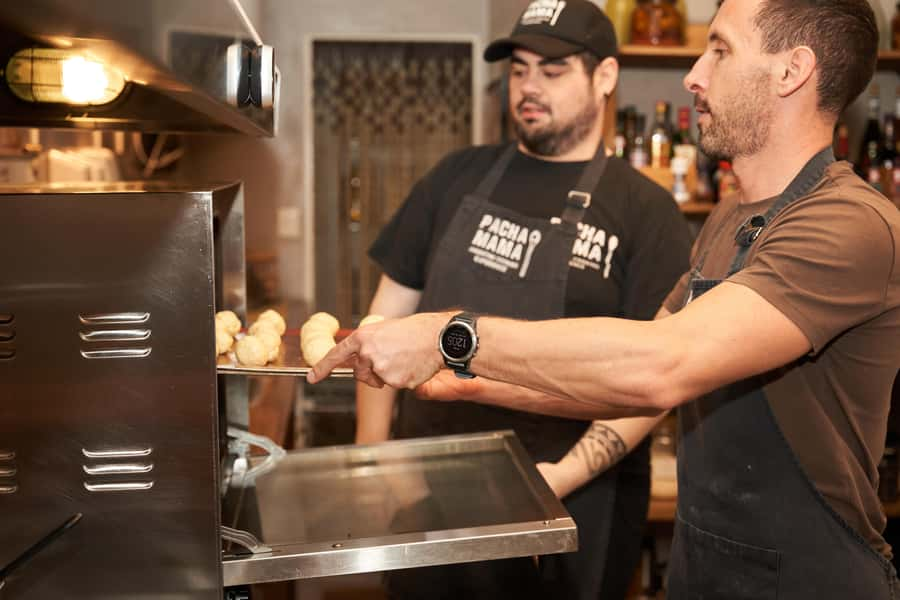
At $75 per person, this is more than a meal out, but you are paying for a multi-part experience: a welcome spread and vermouth, guided cooking, four recipes, a sit-down meal, wine, nonalcoholic drinks and recipes to keep. You also get food history and a social setting that can be hard to recreate by simply ordering empanadas at a restaurant.
The strongest value is for someone who wants to participate, not just eat. You learn about local dishes as you prepare them, then taste the results with wine. If you are mainly looking for the cheapest lunch in Buenos Aires, this is not the right comparison. If you want a structured introduction to Argentine food with a meal included, the price is easier to justify.
Hotel pickup and drop-off are not included, so plan your own way to and from the class. The experience is listed as wheelchair accessible. It also offers free cancellation up to 24 hours in advance and a reserve-now, pay-later option, which can help if your plans are still shifting.
Who will enjoy this class most?
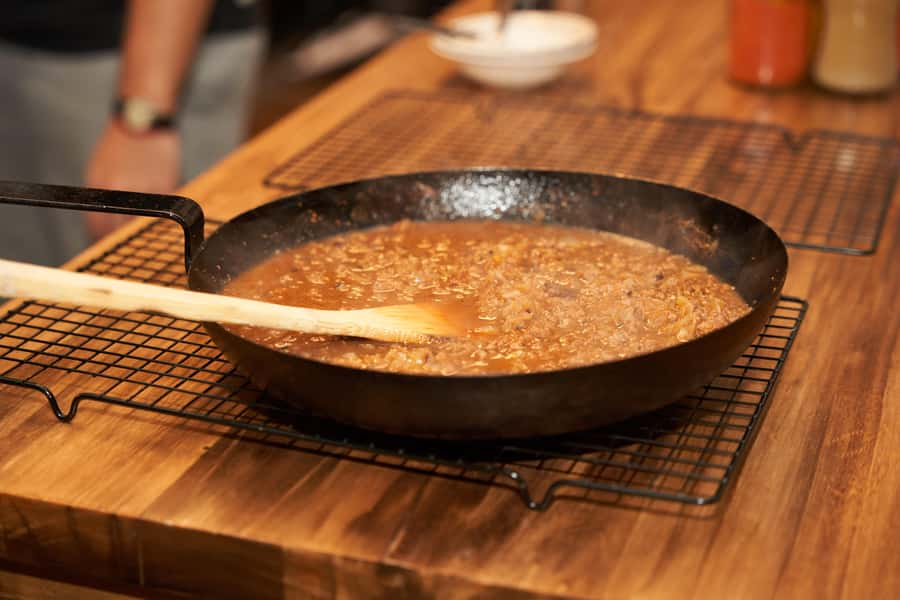
Pachamama is a good fit for curious eaters who like learning by doing, couples or friends looking for a shared activity, and solo visitors who want a social meal with a small group. It also suits cooks who want to take home recipes and learn the stories behind foods they may already recognize.
You do not need to be an experienced cook. The class is built around shared preparation and guidance from the team, not a test of knife skills. If you are an advanced cook seeking detailed technique coaching or a long, individual turn at each recipe, you may want a more specialized class.
The session has received consistently high ratings, with praise focused on the fun group atmosphere, clear organization, good food and the chefs’ friendly approach. One practical caveat is worth keeping in mind: you assist with a few dishes as part of the group, rather than individually cooking every recipe. That is a fair exchange if you value variety and company; less so if individual practice is your main goal.
Should you book Pachamama?
Book this experience if you want an approachable way to cook and taste Argentine food, with enough explanation to make the dishes memorable after lunch. The mix of empanadas, chimichurri, humita and dulce de leche crêpes gives you a strong cross-section of local flavors, while the wine and shared table make the class feel like a meal with a purpose.
Think twice if you want a private, technique-heavy lesson or need every participant to cook every course alone. For most curious visitors, though, Pachamama offers a well-rounded afternoon: you learn, make a few dishes with your own hands, eat with the group and leave with recipes to try again.
FAQ
How long does the cooking experience last?
It is listed as three hours, though the detailed description gives three and a half hours. Private groups may be able to adapt it to two and a half hours, so check the timing for your session.
What dishes will I help prepare?
The menu includes chipá with barbecue and fermented spicy sauces, beef empanadas with chimichurri, gratinated humita stew, and crêpes flamed with dulce de leche, ice cream and homemade limoncello.
Are drinks included?
Yes. The meal is paired with Durigutti wines from Las Compuertas. Vermouth, water and homemade lemonade are also included.
Can the menu accommodate dietary needs?
The experience can be adapted for vegetarian, gluten-free and lactose-free diets. Ask about your requirements when arranging the class.
What language is the class conducted in?
The class is in English. Private groups can request a session in Spanish.
Is transportation included?
No. Hotel pickup and drop-off are not included.
Just added in Buenos Aires
- Tango Show at El Querandi with optional Dinner★ 4.2 · 3 reviews
- Wine Tasting in Buenos Aires★ 4.2 · 4 reviews
- Walking Tour: Buenos Aires bookstores★ 4.3 · 12 reviews
- Velez Sarsfield Football Match★ 5.0 · 3 reviews
- Private Underground Tango Immersion★ 5.0 · 31 reviews
- Transfers from or to the airport In Argentina Your Best Choice★ 5.0 · 28 reviews
- Tour Buenos Aires in one day on Electric Scooters★ 5.0 · 33 reviews
- Rojo Tango Show: Skip the Line Ticket including Private Transfer★ 4.5 · 40 reviews
Buenos Aires Cooking Classes, compared.
Empanadas and Alfajores Cooking Experience in Palermo
Read our review →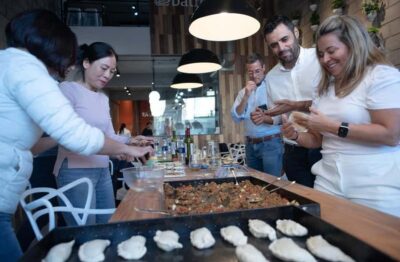
Argentinian Empanadas Cooking Experience in Palermo, Bs As
Read our review →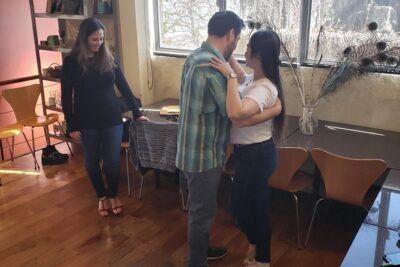
Private Argentine Cooking Class and Tango Lesson in Buenos Aires
Read our review →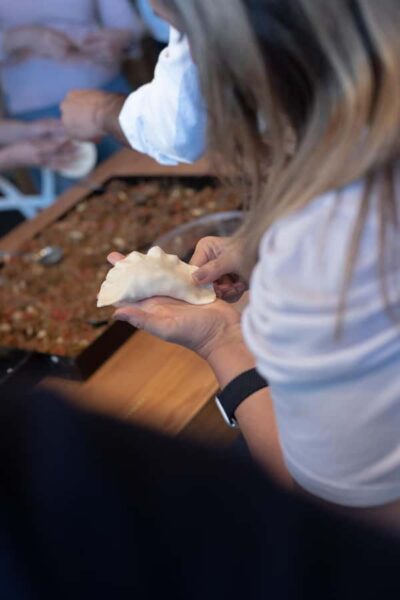
Premium Empanadas Cooking Class & Wine Tasting Experience
Read our review →Browse the lists this tour appears in