
Reviewed · BUENOS AIRES COOKING CLASSES
Buenos Aires: Empanadas and Alfajores Guided Cooking Class
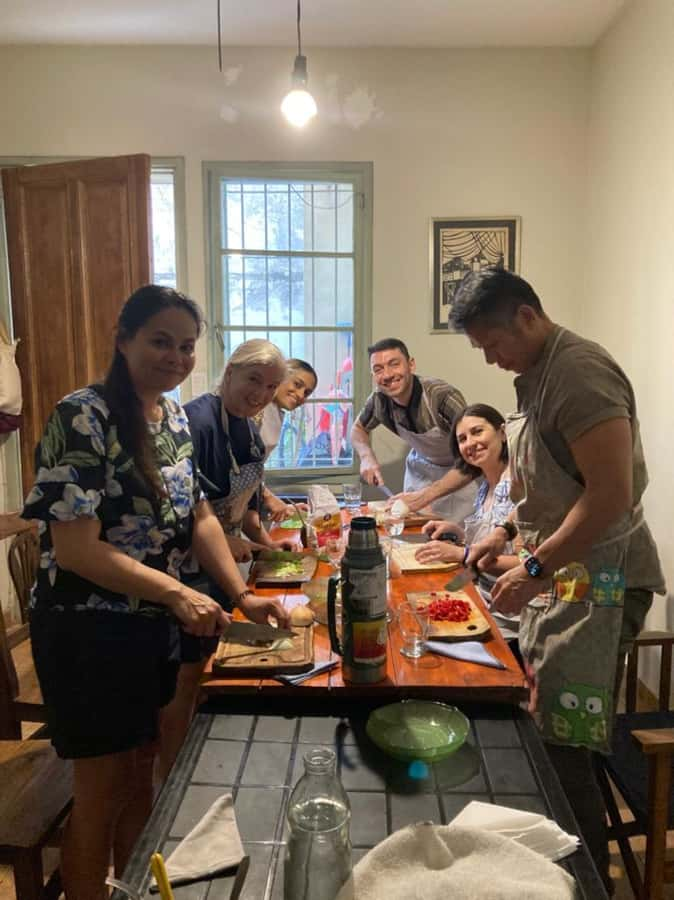
In San Telmo, this class takes you into a real Argentine home to make three local staples: empanadas, alfajores and mate. You work with the dough and fillings yourself, learn the twisted repulgue seal, and sit down to eat what you have made.
I like two things in particular: the class joins practical cooking with a look at everyday food traditions, and its limit of eight people gives you a better chance to take part than a large demonstration would. Mate is part of the session too, so you learn how it is prepared, not just what it tastes like.
One point to weigh: the empanada filling may not always offer much variety. Some sessions have served the same meat filling more than once, while vegetarian alternatives have been available in others. If variety or a meat-free meal matters to you, ask what is planned before you book.
- Cook by hand: Prepare dough and fillings, then practice the traditional twisted seal.
- Make two Argentine favorites: The class covers savory empanadas and cornstarch alfajores filled with dulce de leche.
- Learn the mate ritual: You get a demonstration and a chance to prepare this traditional herbal drink.
- Meet in a home: The setting offers a personal, informal way to learn about food and local customs.
- Keep the group small: A maximum of eight participants means a more hands-on session.
- Plan for dinner: The three-hour class includes a meal made from your work; wine costs extra.
A home kitchen, not a restaurant demonstration
The class meets at Paseo Colón 1355 in San Telmo. You are asked to ring the bell at the scheduled start time. It is a simple instruction, but useful: this is a private home, not a storefront with a reception desk.
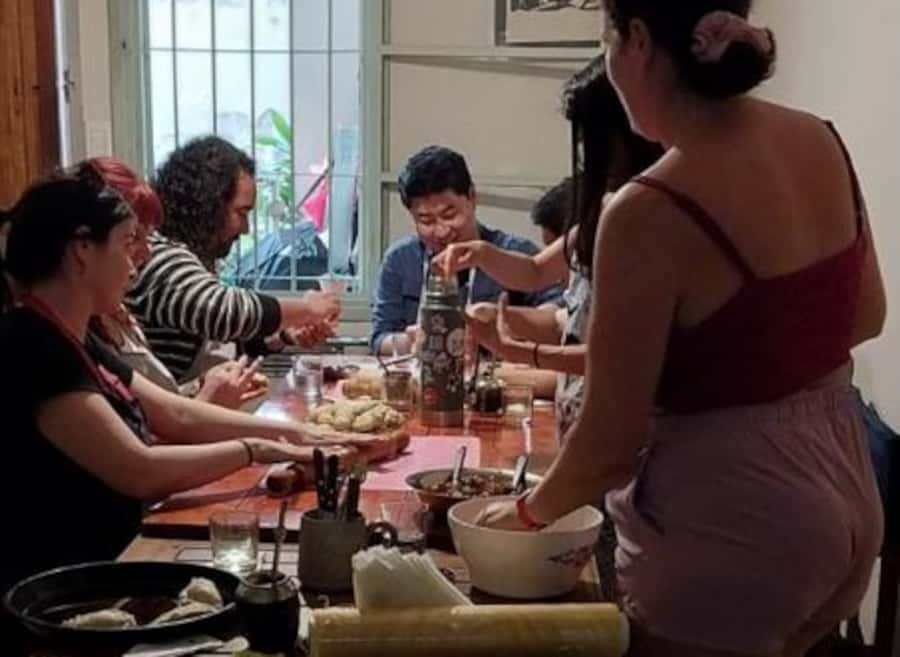
That household setting shapes the experience. Rather than watching a chef prepare food from a distance, you join the work around the kitchen table. Hosts such as Thomas, Sophie and Maria have been named by people who attended different sessions, and family members may help with the welcome, teaching or serving. The specific host can vary, so treat those names as examples, not a guarantee.
The limit of eight is a good fit for this kind of class. Cooking involves small steps, and you want to see how dough is handled and how the empanada edge is folded. A small group makes it easier to ask questions and get a turn at the work, though people at the far end of the table may not always have the clearest view of a demonstration. Move closer when the host is showing a technique.
Start with dough, fillings and the repulgue
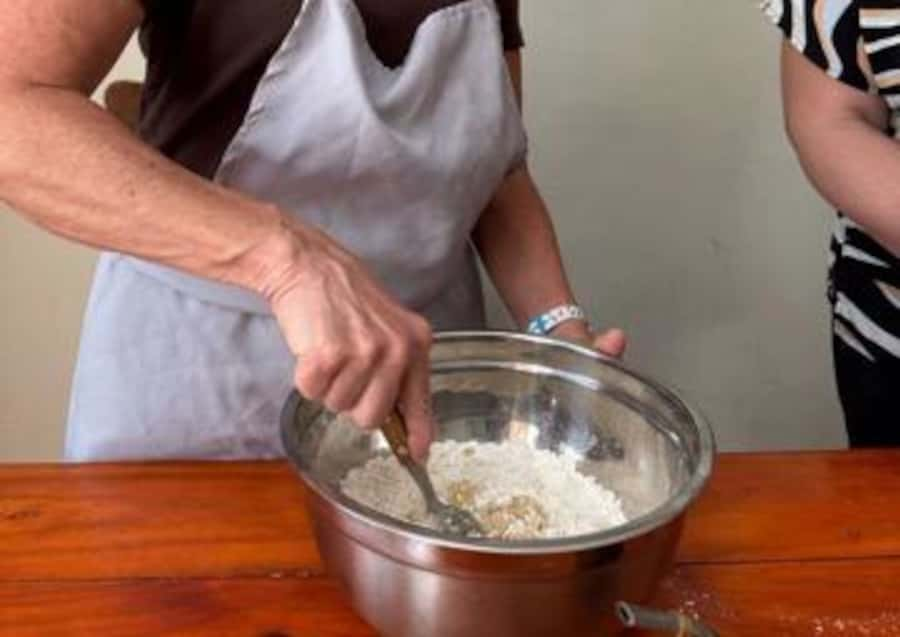
Empanadas are a useful lesson in Argentine home cooking because the process is hands-on and the food is familiar across the country. The class walks you through preparing dough and fillings, then assembling the pastries. Fillings can include meat, ham and cheese, or vegetables, though the precise choices for your session are not guaranteed.
The lesson’s most distinctive small skill is the repulgue, the folded or twisted edge that seals an empanada. It takes practice to make the edges neat and keep the filling inside, but the point is to learn the method, not produce a row of bakery-perfect pastries. You can expect to shape your own rather than merely watch the instructor do it.
The instructions are intended for different cooking skill levels, and families with children and teens have taken part. Still, a hands-on class can move quickly when several people are working at once. If you are new to cooking, ask the instructor to repeat a step or demonstrate it close by. The class is social, so it is not designed as a quiet, private lesson.
Filling variety is worth checking if it matters to you. A vegetarian alternative has been offered in some sessions, but one participant would have preferred a second filling instead of making the same meat option twice. The sensible move is to ask in advance about vegetarian needs and which fillings are planned, rather than assume every class follows the same menu.
More cooking classes in Buenos Aires:
- Buenos Aires: Empanada & Alfajor Cooking Lesson in Palermo
★ 4.6 · 186 reviews - BA: Empanadas and Alfajores Cooking Experience in Palermo
★ 5.0 · 112 reviews - Argentinian Empanadas Cooking Experience in Palermo, Bs As
★ 4.8 · 50 reviews
Mate adds a cultural lesson to the meal
The mate portion adds more than another item to taste. You learn how to prepare the traditional herbal drink and how it fits into Argentine social life. The class includes mate, so you do not need to arrange a separate tasting or bring your own.
This is a useful way to understand the drink as a shared custom as well as an infusion. The cooking and conversation happen together, and the mate gives the host a natural opening to explain local habits and food culture. Expect a practical introduction rather than a formal history lecture.
Water is included too. Wine is not part of the price, but may be available for purchase. If you would like a glass with the meal, budget for it separately.
Finish with cornstarch alfajores
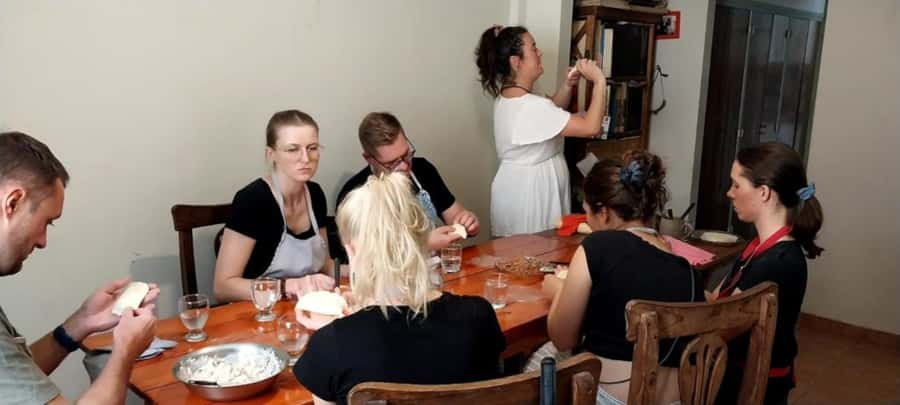
The sweet course is alfajores, a much-loved Argentine treat made here with cornstarch cookies and dulce de leche. You prepare the cookies and filling, then get to eat the results at the end. Alongside the savory empanadas, this gives you a second recipe to take home and try again.
The class does not stop at a demonstration of the finished pastry. You take part in making it, which helps you understand the basic process and the role of the creamy dulce de leche center. If you have a sweet tooth, this is likely to be a highlight; if you came mainly for savory cooking, it still gives the meal a satisfying finish.
The amount of food can be generous. You eat what the group has prepared, and some people have had empanadas left over. Come ready for a meal, not just a small tasting. A few practical comforts may be simple: one participant would have preferred small plates rather than napkins, so the setting is homely rather than restaurant-polished.
Three hours for cooking, conversation and context
The schedule is built around cooking, eating and time with the hosts and other participants. You spend part of the three hours learning the doughs and fillings, assembling the empanadas, preparing the alfajores and hearing how mate is made. Then you share the food and conversation.
That social element is central to the appeal. The group is small enough to feel personal, but it may still bring together people from different countries and families traveling with children. If you enjoy meeting people over a shared meal, that is a plus. If you prefer a tightly scripted class with little conversation, this may feel more relaxed than you want.
The hosts also share information about Argentine food and culture as you cook. The useful balance is that the context comes alongside a real activity, rather than replacing it with a lecture. You leave with a sense of how dishes are made and a few customs attached to them.
English and Portuguese instruction is offered. English-speaking participants have been able to follow the explanations, and the class is listed as wheelchair accessible. For any specific access needs, it is still wise to confirm details with the provider before booking.
More food tours in Buenos Aires:
- Buenos Aires: Local Foodie Adventure with Sherpa Food Tours
★ 4.9 · 670 reviews - Buenos Aires Food Tour: Local Dishes, Steak, Empanada & More
★ 5.0 · 118 reviews - San Telmo: Historical Guided Tour with Street Food & Drinks
★ 5.0 · 87 reviews - Food Tour in Buenos Aires City in Small Groups
★ 5.0 · 72 reviews
Recipes and the best way to take the lesson home
The class is meant to leave you with skills you can use in your own kitchen. Some participants have received recipes after the session, while others have had to request them or follow the guide on Instagram first. Recipe handoff has not been consistent, so do not leave without asking how to get the instructions.
A good practical habit is to ask before the meal ends: confirm where the recipes will be sent, and make sure you have the correct contact information. If you want to recreate the food at home, this small step matters. The class can give you confidence with the process, but exact written measurements are useful once you are back in your own kitchen.
The most repeatable lesson may be the empanada assembly. You practice sealing the dough and see how the ingredients come together. The alfajores offer a second recipe to remember, and the mate preparation gives you a tradition to explain when you share the story of the class.
Is $37 a fair price?
At $37 per person, the price covers three hours of instruction, ingredients, mate, water and a meal. That is solid value if you want a participatory activity and enough food to count as dinner. It is less compelling if you are only looking for a quick tasting or a polished restaurant experience.
The value comes from the combination: you cook two dishes, learn about mate, eat the results and spend time in a home rather than a commercial kitchen. A group capped at eight also helps justify the price, since the format depends on being able to take part and ask questions.
Remember that wine is extra. Also factor in your appetite and schedule: with three hours set aside and a meal included, this works best as a substantial evening activity rather than a short stop between sightseeing plans.
Who will enjoy this class most?
I would put this near the top of the list if you want an easygoing introduction to Argentine food and prefer making something over simply watching a demonstration. It suits solo visitors, couples, families and anyone who likes a communal meal. Teenagers have enjoyed taking part, and different skill levels can join in.
It is also a good choice if you want a cultural experience without signing up for a full-day excursion. You stay in San Telmo, cook familiar dishes, and hear about local customs from the people hosting you. The home setting and shared meal make it feel personal, but they also mean the atmosphere may be informal and the teaching style may vary.
Consider another activity if you need a highly structured culinary course, want guaranteed multiple empanada fillings, or expect a restaurant-style setup. For a more reliable fit, ask about the planned filling options and recipe arrangements before booking.
Should you book it?
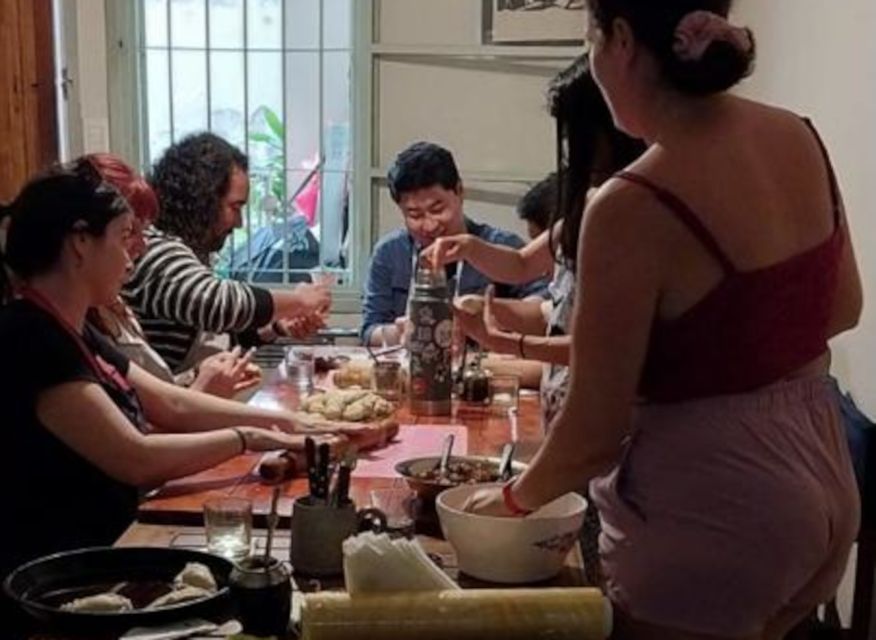
Book this class if making empanadas and alfajores sounds more appealing than another passively guided activity, and you are happy to share a kitchen and meal with a small group. At $37, the mix of cooking, mate and cultural conversation offers good value for a three-hour evening.
Before you commit, check the filling options if you have dietary needs or want to try more than one savory recipe. At the end, ask clearly how to receive the recipes. Those two small steps help turn a pleasant night into a cooking lesson you can repeat at home.
FAQ
How long is the cooking class?
The class lasts three hours. Check availability for the starting times offered on your date.
What is the price?
The listed price is $37 per person.
Where does the class meet?
Go to Paseo Colón 1355 in San Telmo at the class start time and ring the bell.
What will I make?
You will prepare Argentine empanadas, cornstarch alfajores filled with dulce de leche, and traditional mate.
Is a meal included?
Yes. The class includes the food you prepare, as well as ingredients, mate and water.
Are vegetarian fillings available?
Vegetarian alternatives have been available in some sessions, but the exact fillings may vary. Ask the provider what is planned for your date.
What languages are offered?
Instruction is offered in English and Portuguese.
How large is the group?
The group is limited to eight participants.
Is wine included, and can I cancel?
Wine is not included, but it may be available for purchase. You can cancel up to 24 hours in advance for a full refund.
Just added in Buenos Aires
- Wine Tasting in Buenos Aires★ 4.2 · 4 reviews
- Tango Show at El Querandi with optional Dinner★ 4.2 · 3 reviews
- Walking Tour: Buenos Aires bookstores★ 4.3 · 12 reviews
- Velez Sarsfield Football Match★ 5.0 · 3 reviews
- Private Underground Tango Immersion★ 5.0 · 31 reviews
- Tour Buenos Aires in one day on Electric Scooters★ 5.0 · 33 reviews
- Transfers from or to the airport In Argentina Your Best Choice★ 5.0 · 28 reviews
- Rojo Tango Show: Skip the Line Ticket including Private Transfer★ 4.5 · 40 reviews
Buenos Aires Cooking Classes, compared.
Empanadas and Alfajores Cooking Experience in Palermo
Read our review →
Argentinian Empanadas Cooking Experience in Palermo, Bs As
Read our review →
Private Argentine Cooking Class and Tango Lesson in Buenos Aires
Read our review →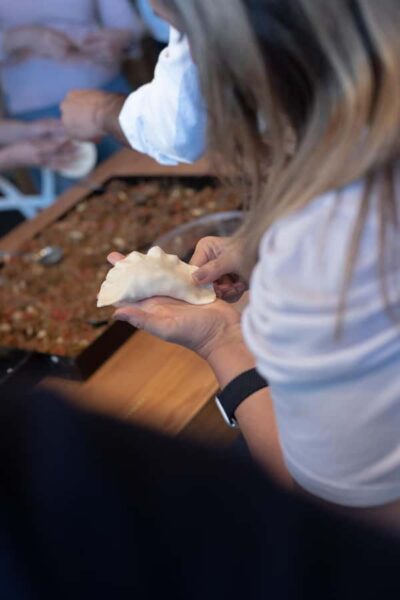
Premium Empanadas Cooking Class & Wine Tasting Experience
Read our review →
Pachamama – Argentine Cooking Experience in Buenos Aires
Read our review →Browse the lists this tour appears in