
Reviewed · BUENOS AIRES HISTORY TOURS
Nazis in Buenos Aires: a historical walking tour
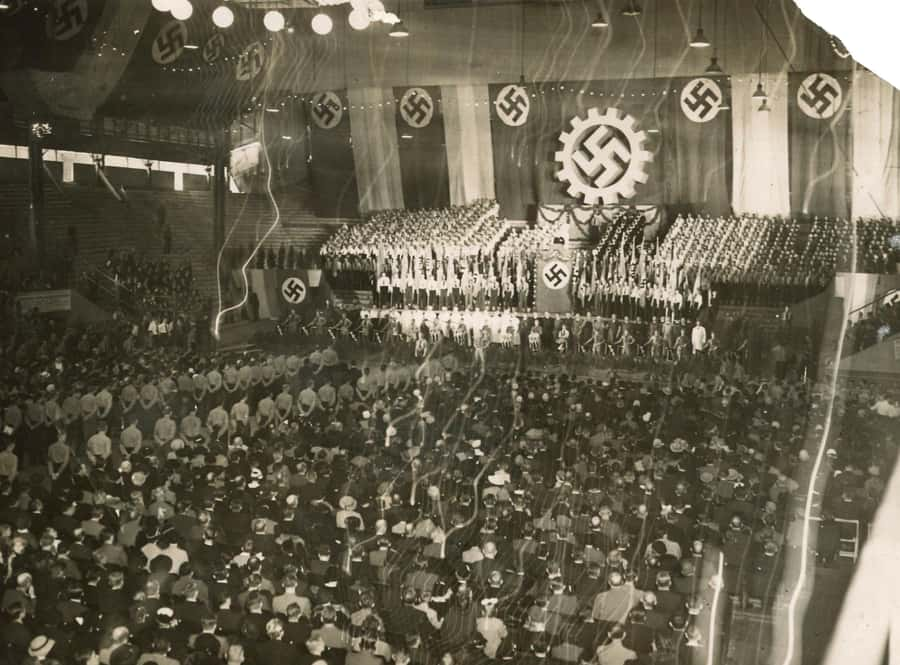
Buenos Aires’ connection to Nazi war criminals is not a simple tale of fugitives arriving in secret. This walk takes you to places that frame the harder questions: what happened after 1945, what Argentina’s government knew, and how politics shaped the story. At Luna Park, you’ll hear about a Nazi rally held in a venue that still operates today.
I like two things in particular: the route gives you real streets and buildings as context, and Max, a University of Buenos Aires history teacher, connects the Nazi story to Argentina’s political history and Jewish community. One consideration: the subject is demanding, and the walk is not suitable for children under 10 or wheelchair users.
Key points before you go
- Luna Park links a working venue to a historic Nazi rally: The tour discusses a 15,000-seat gathering held at the stadium.
- The Eichmann story has a local stop: At ABC Restaurant, the guide connects a Buenos Aires café with Adolf Eichmann’s identification and capture.
- This is about Argentina as well as Nazis: Expect discussion of Juan Domingo Perón, postwar migration, and the city’s Jewish community.
- The final stop is a memorial site: The walk includes the former Israeli embassy site, associated with the worst terrorist attack in Latin American history.
- Plan for a serious, talk-led walk: The route takes about 2.5 hours, with a short restroom pause. Wear comfortable shoes and bring water.
A street-level look at a disputed history
The tour asks a question that still prompts debate: was Argentina a refuge for Nazi war criminals after World War II, and if so, was their arrival known or encouraged by the government? You won’t get much from a quick glance at a building front. The value here is the guide’s explanation of the history, politics, and evidence behind each location.
Max teaches history at the University of Buenos Aires and leads the tour in English. The experience is built around his explanations, questions, and visual aids, rather than entry into museums or buildings. That makes it closer to an outdoor history class than a conventional sightseeing walk. People with little background in the subject can ask questions, but a basic grasp of World War II and the Holocaust will help you follow the discussion.
I appreciate that the subject is presented as a debate, not a tidy morality play. The route also puts Argentina’s own 20th-century politics in the frame, particularly the presidency of Juan Domingo Perón. If you’re looking only for a parade of stories about Nazis on the run, be aware that the political context takes up part of the discussion. That wider angle is useful, but it may not match every visitor’s idea of the tour.
More history tours in Buenos Aires:
- San Telmo: Historical Guided Tour with Street Food & Drinks
★ 5.0 · 87 reviews - Buenos Aires: La Boca Art and History Walking Tour
★ 4.8 · 55 reviews - Recoleta Cemetery – Small Group Tour of History & Secrets
★ 5.0 · 53 reviews
Starting at Monumento a Juana Azurduy
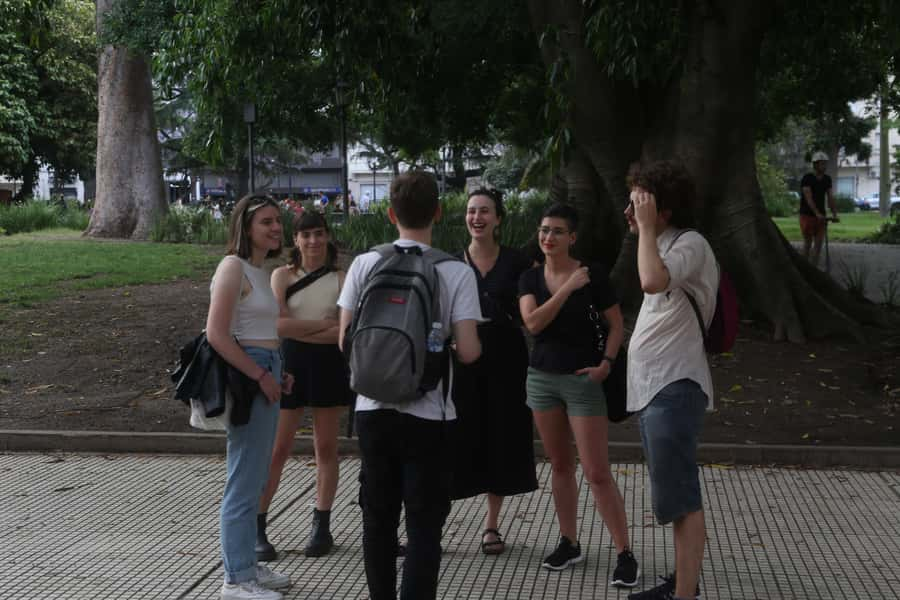
The meeting point is a few meters from the Monumento a Juana Azurduy, by benches facing Palacio Libertad, formerly known as the CCK. Look for Max wearing a black cap. The location puts you near the start of the route through central Buenos Aires, though you should check your meeting instructions before setting off so you know exactly which side of the monument to reach.
The guide’s opening sets the scene for the walk. That matters: the later stops make more sense when you first have a basic timeline and know which claims are established facts and which belong to an ongoing historical argument. Max is described as careful about sources and willing to say when something is uncertain. That measured approach is especially welcome on a topic where rumor and political argument can easily blur the record.
Luna Park and the story of the Nazi rally
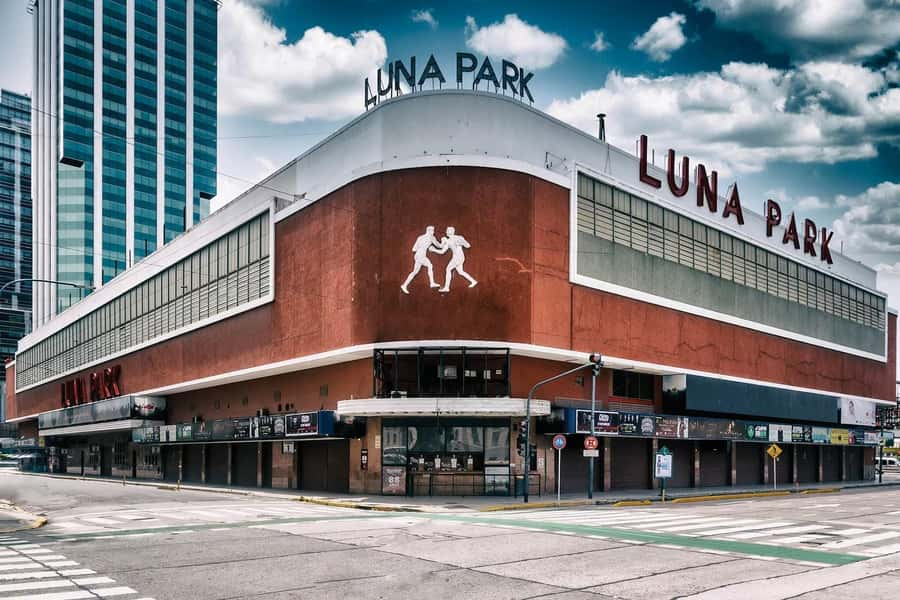
Luna Park is one of the route’s most striking stops because it is still an operating stadium. Here, the discussion turns to a Nazi meeting attended by 15,000 people. The number gives the event scale, while the venue makes it harder to treat the history as something that happened far away or in an abstract political world.
You won’t enter the stadium, and admission is not included. The stop is about understanding what happened there and how the site fits into the wider story. If you’re hoping for an interior visit, this isn’t that kind of tour. But seeing a functioning venue as the backdrop to a historic political gathering gives the discussion a direct connection to the city around you.
ABC Restaurant and Eichmann’s coffee stop
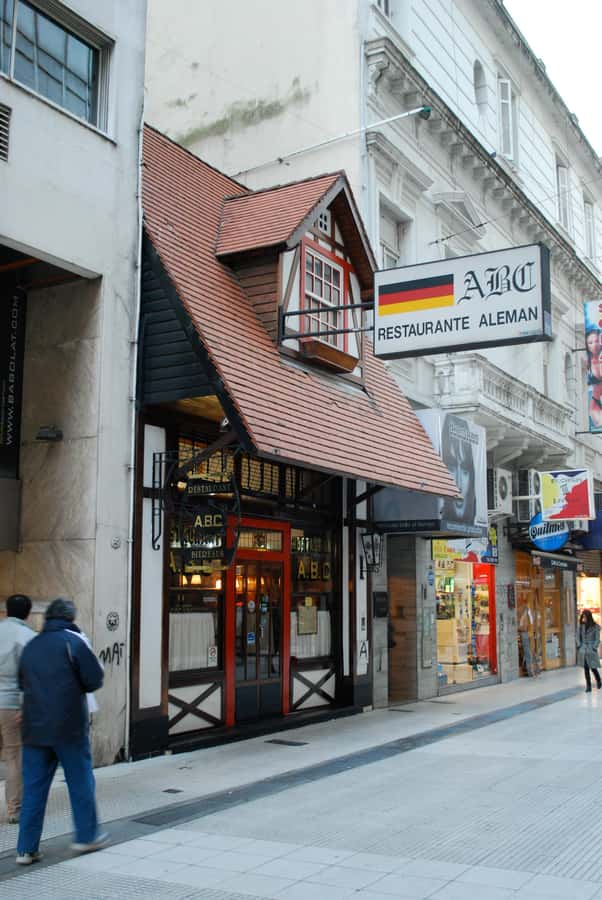
At ABC Restaurant, the tour turns to Adolf Eichmann, the Nazi war criminal whose identification and capture form one of the walk’s central stories. The café is presented as the place where he sat for a cup of coffee. Rather than treating the episode as a thriller detached from its setting, Max uses the stop to explain the spy-like process of identifying and capturing him.
This is a strong example of what the walking format does well. A café can look ordinary, and the point is not to expect a museum display or a dramatic scene. Instead, the guide supplies the context that gives the location meaning. Bring questions: the tour is intended to make room for discussion about the war, Nazism, Judaism, and Argentine history.
More walking tours in Buenos Aires:
- Buenos Aires Hop-On Hop-Off Bus, Free Walking Tours & Discounts
★ 4.5 · 2,218 reviews - Buenos Aires: La Boca Guided Walking Tour in English
★ 4.8 · 1,587 reviews - Buenos Aires: Personalized 2 to 8-Hour Private Walking Tour
★ 4.7 · 149 reviews - Buenos Aires: San Telmo and Market Guided Walking Tour
★ 4.8 · 102 reviews
Museo de Armas and the wider political setting
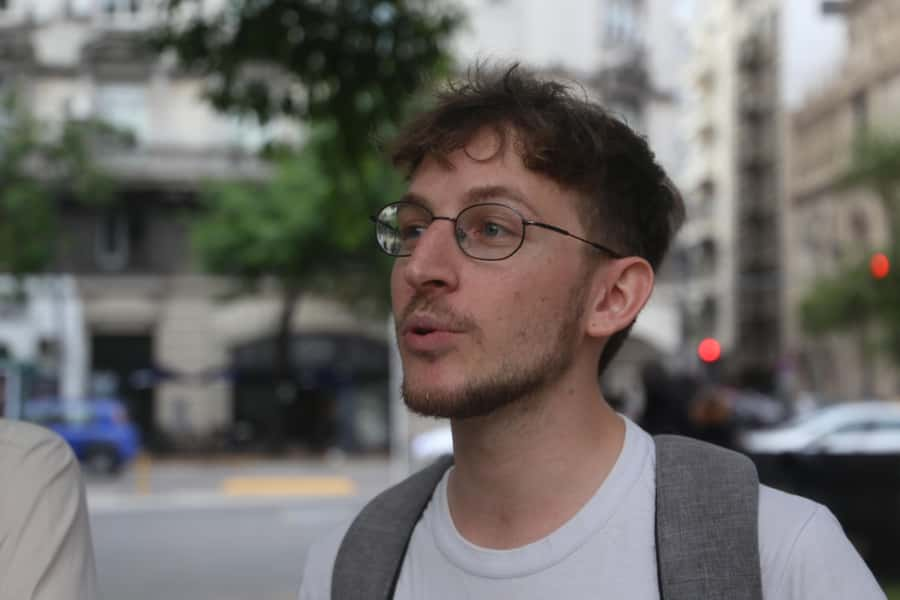
The Museo de Armas de La Nación Tte. Gral. Pablo Riccheri is another stop on the route, with about 20 minutes allocated in the itinerary. The tour does not include museum admission, so don’t plan on this being a visit through its galleries. Its role is part of the outdoor route and the broader discussion of the period.
This is also where the walk’s wider scope becomes clear. The topic isn’t only which Nazi figures reached Argentina. It includes the country’s political environment before and after the war, and the debate over what the government knew or may have supported. The guide’s strength, as reflected in the tour’s design and the way participants describe it, is in setting up those connections without flattening them into a single answer.
Palacio San Martín and the era’s power structures
At Palacio San Martín, the group spends another 20 minutes. The building gives the guide a place to discuss the institutions and political backdrop relevant to Argentina’s wartime and postwar history. The focus remains on explanation at the site, not a tour inside the palace.
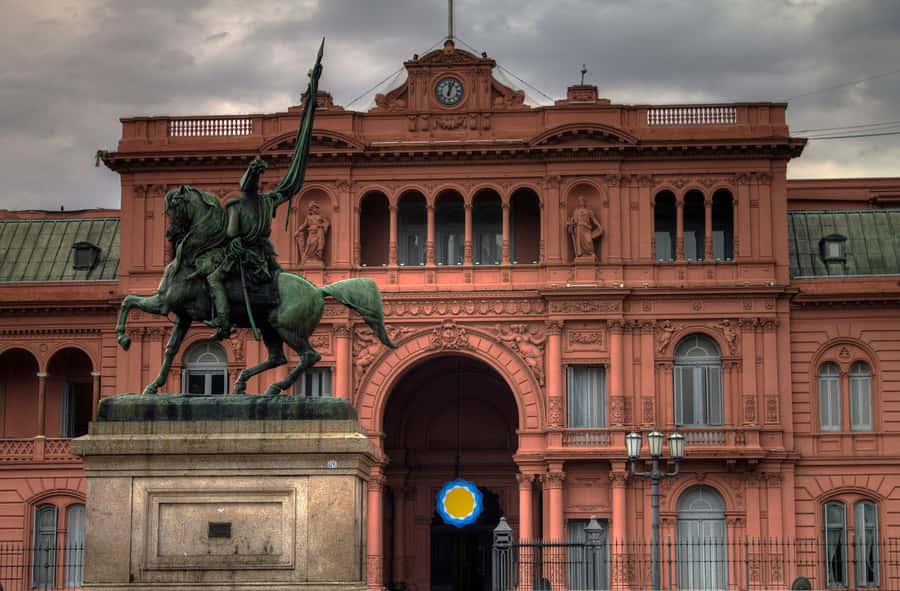
This is a useful pause in a route that could otherwise become a sequence of dramatic anecdotes. The walk asks you to consider how national politics, diplomatic choices, and postwar migration fit together. Perón, one of Argentina’s most consequential 20th-century political figures, is part of that conversation. Expect some complexity rather than a quick verdict on his presidency.
Italian Circle and the route through central Buenos Aires
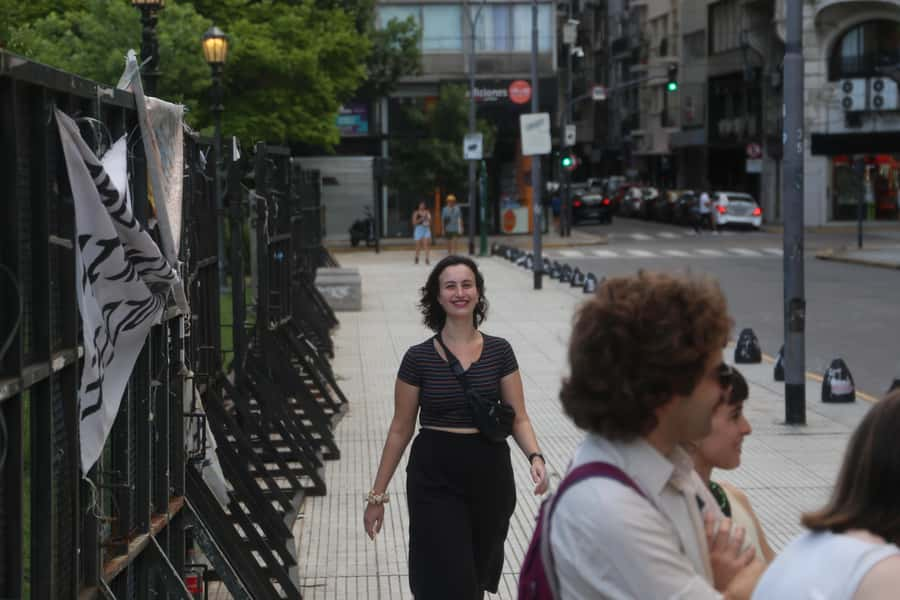
The Italian Circle of Buenos Aires is listed as a further 20-minute stop. It adds another location to the route through Recoleta, Retiro, and Microcentro, neighborhoods whose buildings and institutions form the physical setting for the stories. The experience is not built around entering each site. Its emphasis is on what the guide can explain while you stand in the places tied to the history.
The pacing is worth considering. The walk is advertised as 2.5 hours, with several stops and a 10-minute pause for the restroom. The information also describes the included walk as two hours, so the stated duration is not perfectly consistent. Plan on the longer 2.5-hour figure and check the current details when booking.
The former Israeli embassy site and Jewish Buenos Aires
The route’s stated final historical stop is Plaza Embajada de Israel, the memorial site of the former Israeli embassy. The tour identifies this as the site of the worst terrorist attack in Latin American history. It brings the walk’s discussion of Jewish life in Buenos Aires into the present, including the city’s Jewish community, described as the second largest on the continent.
This is a serious ending, not a light sightseeing finale. You’ll hear about the fate of the Jewish community and the way the city’s history extends beyond the Nazi period itself. The walk connects remembrance with the need to understand how prejudice and political violence take hold. If you want a tour that treats history as relevant to current life, this final section is likely to stay with you.
There is a small practical ambiguity to clear up: the itinerary says the tour finishes at the memorial site, while the meeting-point information says the activity ends back at the starting point. Confirm the end location before you book, especially if you have plans immediately afterward.
What $25 buys you
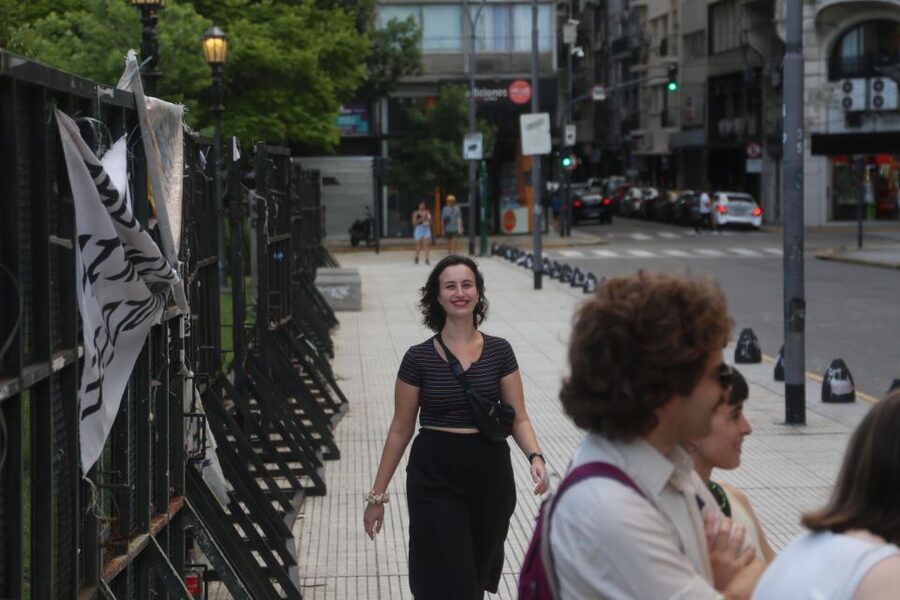
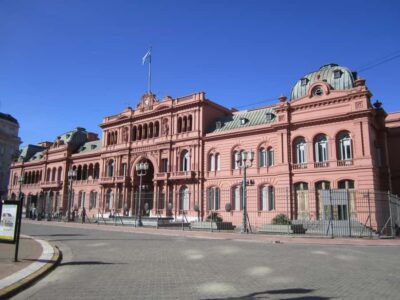
At $25 per person, the main value is Max’s teaching and the carefully linked route, not admissions or access to interiors. The tour includes a guide and a two-and-a-half-hour walk. Entry to Luna Park, Casa Rosada, and Libertad Synagogue is not included, and the information does not promise entry to the other stops.
For a history-focused visitor, that can be good value. You get a structured account across several locations, with time for questions and visual material to support the stories. If you prefer to explore sites on your own, or want a tour with interior visits and exhibits, you may get less from this format. The payoff depends on your interest in the subject and your willingness to listen, think, and ask questions.
Who will get the most from this walk
I’d choose this tour if you want to understand a less familiar chapter of Buenos Aires history and are comfortable with a serious subject. It suits history buffs, curious visitors, and anyone interested in how political choices shape the lives of communities. You do not need to be an expert, but some familiarity with World War II and the Holocaust will make the discussion easier to follow.
The walk is in English and is not suitable for children under 10 or wheelchair users. Wear comfortable shoes and carry water. There is a 10-minute restroom pause, but you should still plan for a continuous outdoor tour lasting around 2.5 hours.
This is not a casual stroll with a few dates tossed in. Max’s approach is described as engaging, evidence-conscious, and open to questions, with a balance of storytelling and discussion. If you want the story told only as a narrow account of Nazi fugitives, the attention to Perón and Argentine politics may feel like a detour. If you want the context, it is a central part of the value.
Should you book it?
Book this walk if you want a thoughtful account of Argentina’s connection to Nazi migration, the Eichmann story, and the history of Buenos Aires’ Jewish community. The combination of real locations and a guide who teaches the subject gives the tour more substance than a simple walk past buildings.
Skip it if you want a light city tour, building interiors, or an accessible route. At $25, it makes most sense for visitors who value a careful, discussion-led history tour and can give it their full attention. Check the meeting and end locations before you go, and allow the full 2.5 hours.
FAQ
How long is the tour?
The stated duration is 2.5 hours. The activity details also refer to a two-hour walking tour, so plan for 2.5 hours and check the current timing when booking.
What is the price?
The listed price is $25 per person.
What language is the tour in?
The live tour guide leads the tour in English.
Where does the tour start?
It starts a few meters from the Monumento a Juana Azurduy, by the benches facing Palacio Libertad, formerly known as the CCK. Max wears a black cap.
Where does the tour end?
The route names Plaza Embajada de Israel as the final stop, but the meeting information says the activity ends back at the meeting point. Confirm the end location before booking.
Who leads the tour?
The guide is Max, a history teacher from the University of Buenos Aires.
Is admission to Luna Park included?
No. Entry to Luna Park Stadium is not included.
Are Casa Rosada and Libertad Synagogue visits included?
No. Entry to Casa Rosada and Libertad Synagogue is not included.
What should I bring?
Bring comfortable shoes and water. The tour includes a 10-minute pause to use the restroom.
Is the tour suitable for children or wheelchair users?
It is not suitable for children under 10 or wheelchair users.
Just added in Buenos Aires
- Tango Show at El Querandi with optional Dinner★ 4.2 · 3 reviews
- Wine Tasting in Buenos Aires★ 4.2 · 4 reviews
- Walking Tour: Buenos Aires bookstores★ 4.3 · 12 reviews
- Velez Sarsfield Football Match★ 5.0 · 3 reviews
- Private Underground Tango Immersion★ 5.0 · 31 reviews
- Tour Buenos Aires in one day on Electric Scooters★ 5.0 · 33 reviews
- Transfers from or to the airport In Argentina Your Best Choice★ 5.0 · 28 reviews
- Rojo Tango Show: Skip the Line Ticket including Private Transfer★ 4.5 · 40 reviews
Buenos Aires History Tours, compared.
San Telmo: Historical Guided Tour with Street Food & Drinks
Read our review →
Recoleta Cemetery – Small Group Tour of History & Secrets
Read our review →
Browse the lists this tour appears in