Reviewed · BUENOS AIRES MATE EXPERIENCES
Buenos Aires: Mate Workshop y Otras Yerbas
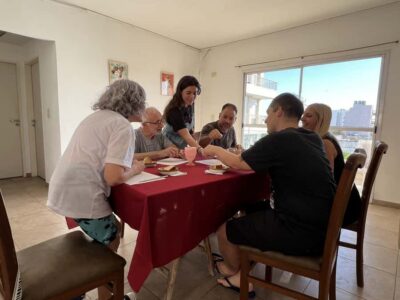
Mate is not just something Argentines drink. It is a shared ritual, part of how people welcome one another and make time to talk. At this one-hour workshop in Recoleta, hosts Vale and Juli of Carpincha explain that tradition through mate’s history, four yerba tastings, and the practical steps for preparing your own.
I like two things in particular: the tasting gives you a chance to compare four types of yerba, and the session pairs the lesson with familiar Argentine sweets. The hosts also make room for questions, with past participants highlighting their clear explanations and warm, engaging manner.
The main consideration is the one-hour limit. It is enough time for an introduction and tasting, but not a long, hands-on class. You’ll also need to make your own way to the meeting place in Recoleta, since transportation is not included.
The important details at a glance
- Four yerbas to compare: Taste different types and learn about yerba variety, cultivation and production.
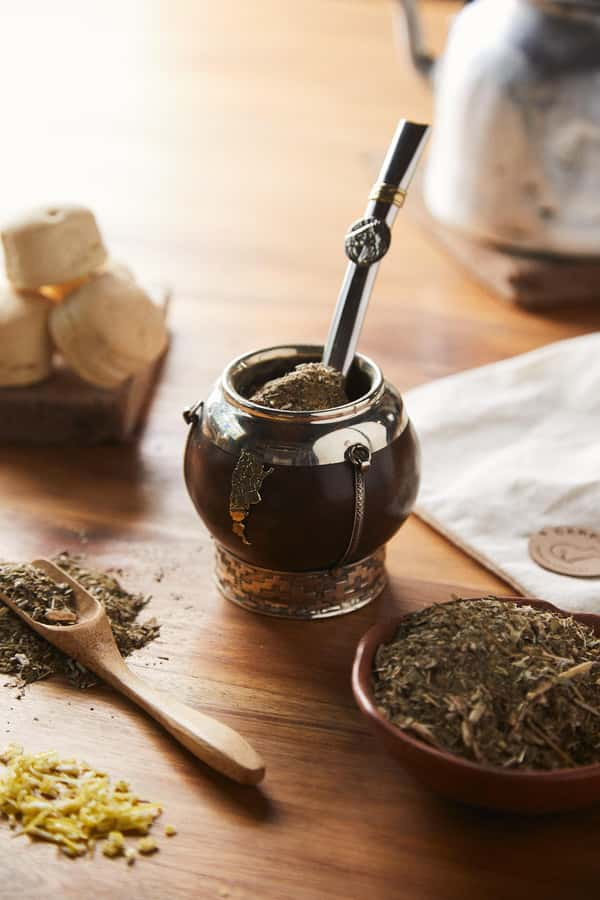
- A mate for each person: Use one during the session and learn how to prepare your own.
- Local sweets with the tasting: Expect medialunas, alfajores and biscochitos.
- A cultural lesson, not just a drink demo: Hear about mate’s history, myths, legends and place in Argentine life.
- A compact Recoleta activity: The workshop lasts 60 minutes and is offered in English and Spanish.
- A modest but considered price: At $50 per person, the value rests on the guided lesson, tasting and snacks rather than on a long activity.
Mate is a custom you can taste
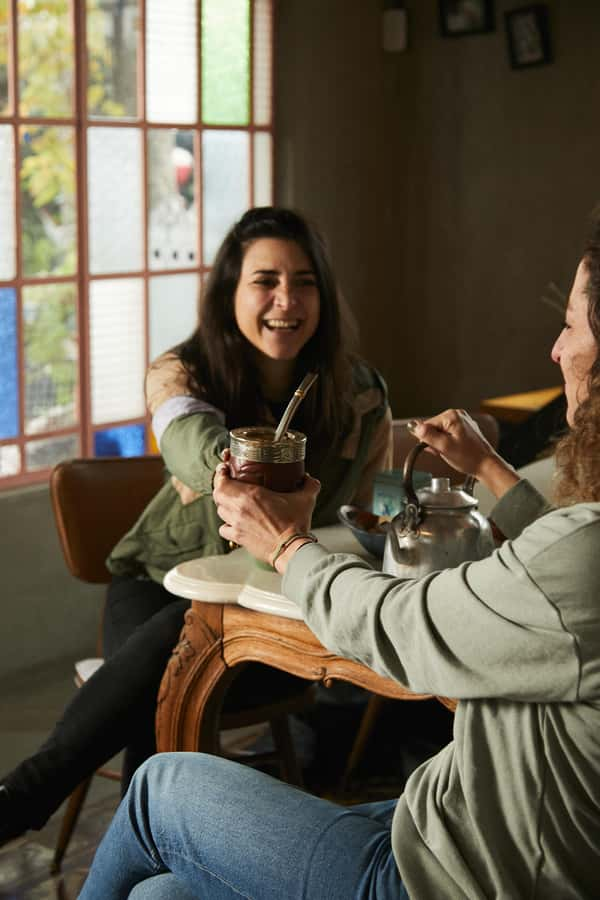
In Argentina, mate is often shared as part of everyday life. It can be a way to welcome someone into your home and settle into a conversation. That social role is what makes this workshop more interesting than a simple explanation of how to steep a drink.
Vale and Juli describe the session as a chance to share customs and rituals through mate. Expect them to connect the drink to national identity and family habits, using history, anecdotes, myths and legends to show why it matters. The point is not only to learn what goes in the gourd, but also to understand the social meaning behind passing mate around.
That context is especially useful if you have seen Argentines drinking mate but do not know the rules or the backstory. You can ask questions and hear the hosts explain the tradition in clear terms. One participant specifically praised the way the hosts answered questions, which matters in a workshop where the most useful lesson may be the one you did not know to ask for.
More mate experiences in Buenos Aires:
- Buenos Aires: Group tango class with mate and snacks
★ 4.4 · 44 reviews - Small Group Tasting to Become a Mate Expert in Buenos Aires
★ 5.0 · 35 reviews - Buenos Aires: Mate & paint experience with pastry tasting
★ 5.0 · 19 reviews
Four yerbas make the lesson tangible
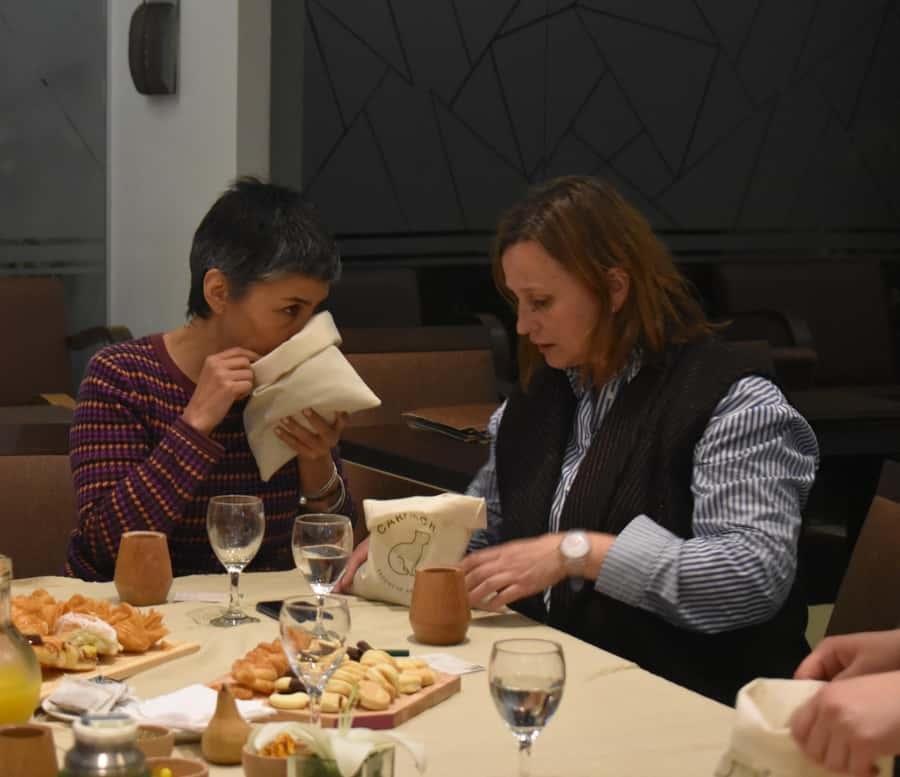
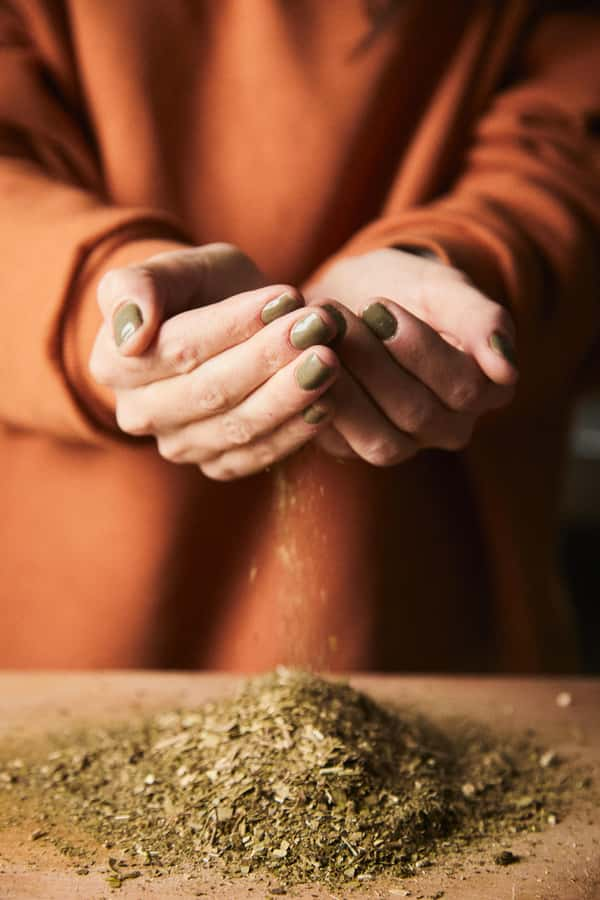
The tasting is the core of the session. You’ll sample four types of yerba mate and learn about the differences in variety, cultivation and production. Rather than leaving with only a general impression of mate, you’ll have several examples to compare while the hosts explain what you are tasting.
The supplied details do not name the four varieties, so do not expect a specific set of blends or flavors. The value is in tasting side by side and getting a guided introduction to what distinguishes yerba. If you already drink mate, this can help put words to differences you have noticed. If you are new to it, the tasting gives you a practical starting point.
There is also an opportunity to try herbs and flavor combinations. The activity description frames the workshop as a chance to explore possible additions, but it does not specify exactly which herbs or combinations will be available. If you have a particular ingredient in mind, ask the hosts rather than assuming it will be on the table.
The yerba itself has been praised for its quality. That is a worthwhile detail: a tasting is only as useful as what you get to taste. Good ingredients make it easier to focus on the distinctions the hosts are explaining, instead of treating every cup as the same bitter brew.
Learn to prepare mate, not just talk about it
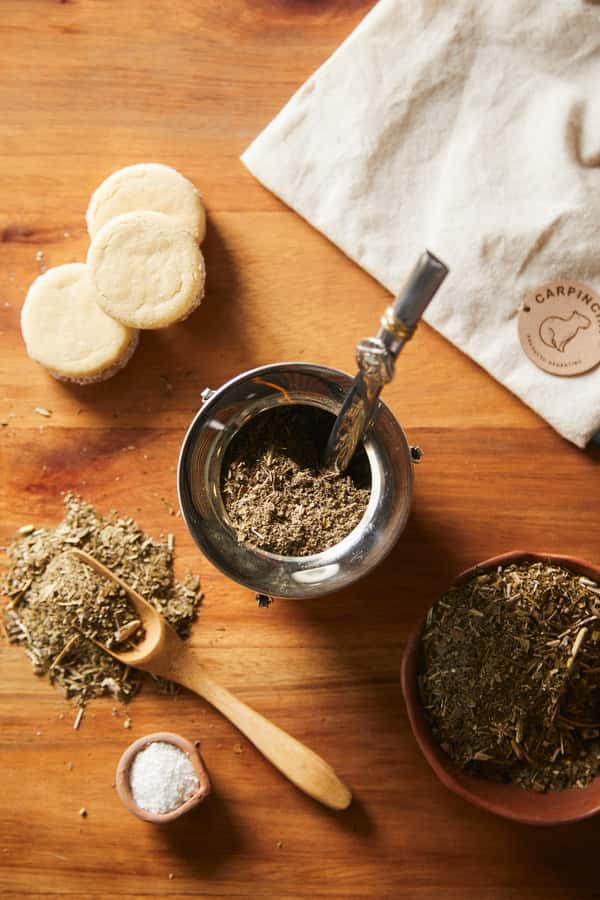
Each person gets a mate to use during the meeting, and the hosts show you how to prepare your own. This practical element helps turn the cultural discussion into something you can repeat after the workshop. You are not simply watching someone else make a drink; you have a chance to take part.
The session includes tips for making good mate, though it does not specify each step in advance. Use that time to ask about anything you find unclear: the preparation itself, how to serve it, or the customs tied to sharing. The hosts’ willingness to answer questions is one of the strengths noted by past participants.
Think of this as an introduction rather than an expert-level course. The format is 60 minutes, and that time has to cover cultural context, four yerba tastings, preparation and snacks. If your main aim is to learn the basics and understand why mate matters, the scope makes sense. If you want a long, highly technical lesson on production or brewing, this short workshop may leave you wanting more.
Argentine pastries make the mateada feel complete
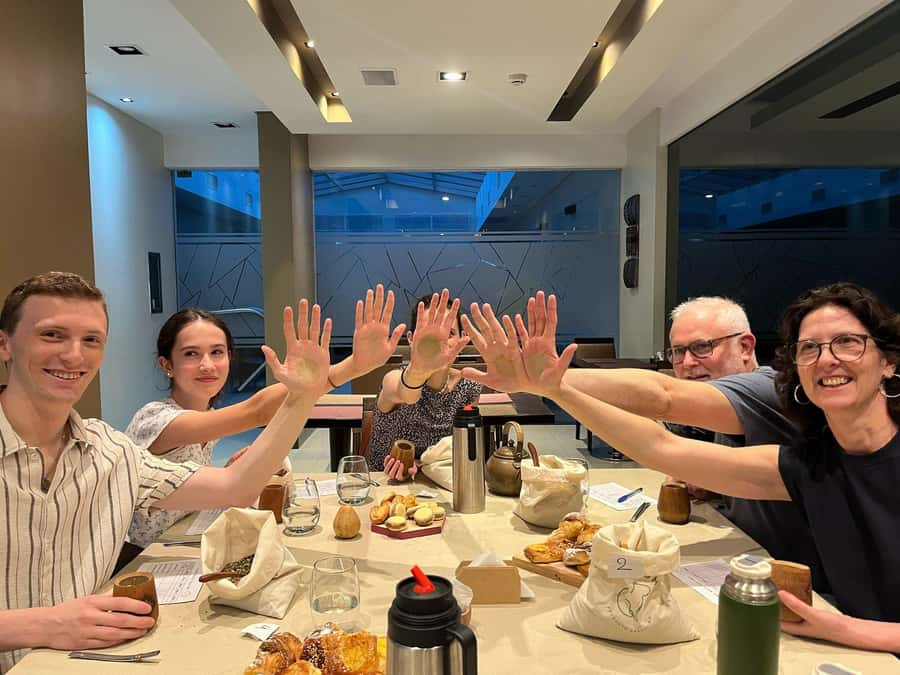
The tasting comes with typical Argentine pastries, including medialunas, alfajores and biscochitos. These are part of the experience, not an unrelated add-on: the workshop pairs mate with the kind of sweet snacks that make a shared break feel like a proper mateada.
The pastries also give you another small point of comparison with the mate itself. One participant singled them out as delicious, and another praised the experience’s overall authenticity and value. The selection is a useful taste of familiar local treats, though the details do not promise particular fillings, recipes or quantities.
If you have food restrictions, the information provided does not list ingredients or substitutions. Ask the hosts before booking if you need to know what the snacks contain. That is a practical question worth settling ahead of time, especially since the pastries are part of the included tasting.
More tours in Buenos Aires:
- Buenos Aires Hop-On Hop-Off Bus, Free Walking Tours & Discounts
★ 4.5 · 2,218 reviews - Buenos Aires: Piazzolla Tango Show with Optional Dinner
★ 4.4 · 2,122 reviews - Buenos Aires: City Highlights Guided Tour with Transfer
★ 4.7 · 1,946 reviews - Buenos Aires: Hop-On Hop-Off City Bus Tour
★ 4.2 · 1,855 reviews
Recoleta keeps the outing easy to fit into a day
The workshop takes place in the Recoleta area of Buenos Aires Province, Argentina. Transportation to the meeting place is not included, so plan to get there independently. The exact address is not given here, which means you should confirm the meeting point before setting out.
At 60 minutes, this is an easy activity to fit around other plans. It is short enough to work as a compact cultural stop, but the brevity also means you should arrive ready to take part and ask questions. Check the available starting times when choosing a session.
Instruction is offered in English and Spanish. That makes the workshop accessible to visitors who do not speak Spanish, while still giving Spanish-speaking participants the chance to discuss the subject in their preferred language. The experience is listed as wheelchair accessible.
You can cancel up to 24 hours in advance for a full refund, and the reserve-now, pay-later option lets you hold a place without paying immediately. Weapons, sharp objects, alcohol and drugs are not allowed.
Is $50 good value for an hour?
At $50 per person, this is not a bargain activity if you measure value only by minutes. You are paying for a hosted cultural lesson, a four-yerba tasting, a mate to use during the workshop, guidance on preparation and typical pastries. For someone who wants a quick, focused introduction to an everyday Argentine custom, that is a more meaningful measure than the clock alone.
The price makes the most sense if you are curious about mate and want more than a quick explanation from a guidebook. The tasting gives the lesson a concrete focus, and the snacks make the hour feel like a shared custom rather than a lecture. The positive notes about clear explanations, quality yerba and good pastries point to the parts that carry the value.
On the other hand, this is a short, single-topic activity. If you already know how mate is prepared and are not interested in its history or social meaning, you may find the hour less useful. And if you are expecting a broad Argentine food tour, this is not that. The pastries accompany the mate; they are not the main event.
Who will get the most from this workshop?
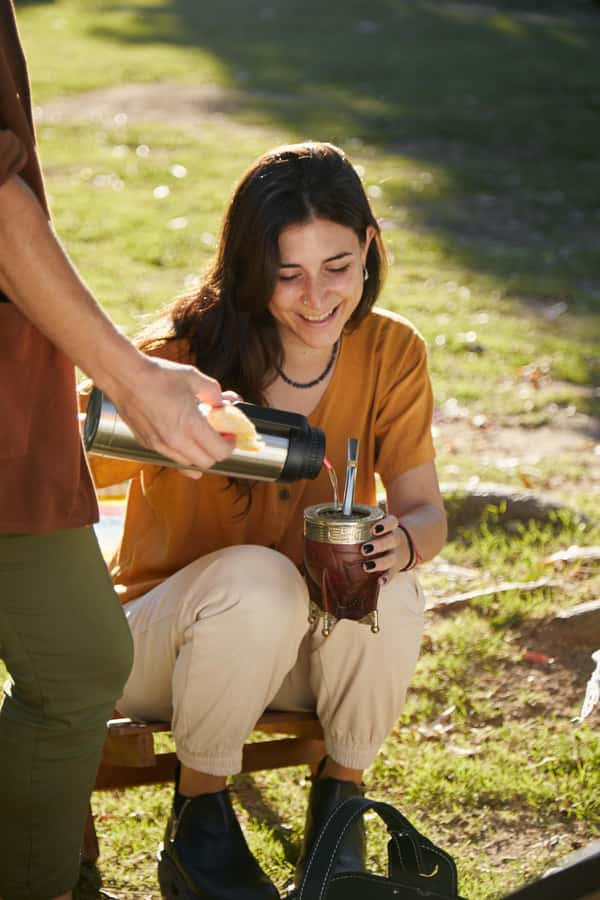
I’d recommend it to first-time visitors who want to understand a familiar Argentine ritual from the inside, especially if you have seen mate around but have never tried it. The combination of explanation, tasting and practice should give you a clear foundation without taking over half a day.
It also suits curious food and drink fans who enjoy comparing ingredients and asking questions. The four yerbas give you something specific to focus on, while the discussion of cultivation and production adds context to the cup. If you have already developed a taste for mate, you may still appreciate hearing about myths, family customs and the drink’s place in Argentine identity.
The workshop may be less appealing if you prefer a long practical class, need detailed information about every ingredient in advance, or want transportation included. The format is concise, and the meeting is in Recoleta. Confirm the address and any dietary questions before you go.
Should you book Mate Workshop y Otras Yerbas?
Book it if you want a friendly, compact way to understand mate as both a drink and a social custom. The strongest reasons are the four-yerba tasting, the chance to prepare mate yourself, and the hosts’ reported clarity and enthusiasm. The pastries add a fitting local touch.
Skip it if you are looking for a full meal, an extended workshop or a wider tour of Argentine cuisine. At $50 for 60 minutes, this is best viewed as a focused cultural experience, not an all-purpose food outing. For the right visitor, it offers a useful lesson you can carry into the rest of your time in Buenos Aires.
FAQ
Where does the workshop take place?
The meeting takes place in the Recoleta area of Buenos Aires. Transportation to the meeting place is not included.
How long is the activity?
The workshop lasts 60 minutes.
Which languages are offered?
Instruction is available in English and Spanish.
What is included in the price?
The experience includes a mate for each person to use during the session, a masterclass, a tasting of yerba mate and typical pastries such as medialunas, alfajores and biscochitos.
How many types of yerba will I taste?
The workshop includes a tasting of four types of yerba mate.
Can I cancel for a refund?
Yes. You can cancel up to 24 hours in advance for a full refund.
Just added in Buenos Aires
- Tango Show at El Querandi with optional Dinner★ 4.2 · 3 reviews
- Wine Tasting in Buenos Aires★ 4.2 · 4 reviews
- Walking Tour: Buenos Aires bookstores★ 4.3 · 12 reviews
- Velez Sarsfield Football Match★ 5.0 · 3 reviews
- Private Underground Tango Immersion★ 5.0 · 31 reviews
- Transfers from or to the airport In Argentina Your Best Choice★ 5.0 · 28 reviews
- Tour Buenos Aires in one day on Electric Scooters★ 5.0 · 33 reviews
- River Plate Monumental Stadium and Museum Guided Tour★ 4.5 · 39 reviews
Buenos Aires Mate Experiences, compared.

Small Group Tasting to Become a Mate Expert in Buenos Aires
Read our review →