Reviewed · BUENOS AIRES TOURS
Buenos Aires for curious people
Buenos Aires for Curious People puts the city’s complicated past on the walking route, from the site of its first fort to a former clandestine detention center and the presidential office. It is less about collecting postcard stops than understanding how Argentine history still shapes the streets around you.
I like two things in particular: the small group, capped at eight, leaves room for questions, and the route gives San Telmo’s churches, market and main square context beyond their looks. Guides such as Nicolás, Nico and Ignacio are praised for linking architecture, politics and everyday life in a clear, conversational way.
One consideration: this is a walking tour with serious historical material, including accounts of detention and torture during Argentina’s 1976 to 1979 dictatorship. The pace and subject matter may not suit everyone, and the itinerary’s Casa Rosada admission is not included in the $33 price.
- Start near Parque Lezama: Meet at Bar Británico, then explore the area associated with Buenos Aires’ first fort, established in 1536.
- A history-first San Telmo walk: Visit a colonial church, Plaza Dorrego and the immigrant-built market, with context on the people and events behind them.
- A sobering stop: Memory Walk addresses a former clandestine detention, torture and extermination center from 1976 to 1979.
- A compact group: No more than eight people means you can ask questions without having to compete with a crowd.
- A citywide finish: The route ends at Casa Rosada, after a stop at Puente de la Mujer.
- A useful planning window: The experience lasts about two to three hours and is booked, on average, 35 days ahead.
San Telmo’s past, read on foot
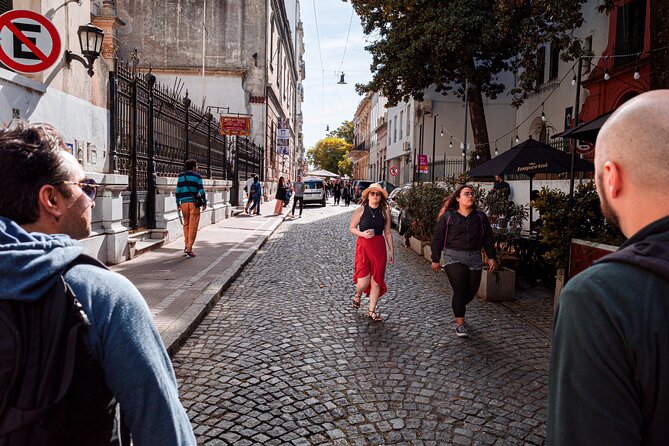
This route begins at Bar Británico, at Brasil 399, and moves through some of Buenos Aires’ oldest and most historically layered ground. The first stretch centers on Parque Lezama, identified as the place where the first fort was established in 1536. That date gives the walk an early anchor before it turns to later chapters of the city’s life.
The stops are close enough in theme to build a story, rather than feel like a string of unrelated photo opportunities. You move from colonial-era landmarks and immigrant history toward Argentina’s more recent political past, then finish among prominent civic sites. That approach is useful if you want more than a quick orientation to San Telmo.
The tour takes about two to three hours, though the exact length is approximate. At $33 per person, the value rests mainly on the guide’s explanations and the chance to ask questions in a small group, not on admission to paid attractions. Most stops are free; entry to Casa Rosada is not included.
Parque Lezama and the first fort
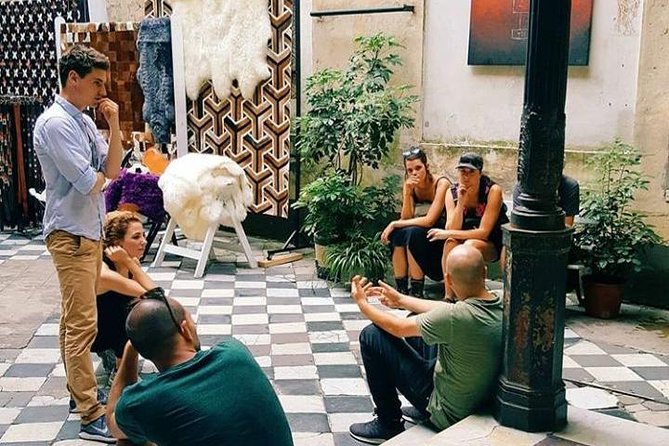
Parque Lezama is the tour’s first major stop, with about 30 minutes set aside. The site is associated with the first fort established in 1536, a starting point for understanding how Buenos Aires began. The guide can use that location to give the rest of the walk a historical frame.
The park is also a good place to begin a tour focused on layers of city life. You are not simply looking at a landmark; you are considering how the city’s early story relates to the neighborhoods and political institutions you encounter later. Admission is free.
The meeting point is Bar Británico, a short first stop described as part of old Buenos Aires. Do check the precise meeting address when booking: the listed start is Brasil 399, while Parque Lezama is identified as the tour’s starting point in the route details. The tour ends at Casa Rosada, Balcarce 78.
More tours in Buenos Aires:
- Buenos Aires Hop-On Hop-Off Bus, Free Walking Tours & Discounts
★ 4.5 · 2,218 reviews - Buenos Aires: Piazzolla Tango Show with Optional Dinner
★ 4.4 · 2,122 reviews - Buenos Aires: City Highlights Guided Tour with Transfer
★ 4.7 · 1,946 reviews
Churches, migration and Plaza Dorrego
The route includes Club Sueco Restaurante, identified with a Swedish church dating to 1944. Its presence gives the walk a chance to touch on the communities that have shaped Buenos Aires, not only the city’s political leaders. The stop is brief, about 10 minutes, and admission is free.
At Parroquia de San Pedro González Telmo, the focus shifts to a colonial Catholic church. Allow about 15 minutes. The stop gives the guide another way to connect San Telmo’s built environment with the city’s earlier history, though you should not assume that the tour includes a visit inside.
Plaza Dorrego, the neighborhood’s main square, gets roughly 15 minutes. It helps place the surrounding area in context and offers a pause between the church stops and the market. The itinerary describes the square as part of old town, so expect historical explanation rather than a long free-time break.
These stops make the tour a good fit if you like learning why a place matters as much as seeing it. If your priority is a slow visit to each site, shopping time or extended café stops, the set two-to-three-hour route may feel brisk.
The market and San Telmo’s immigrant story
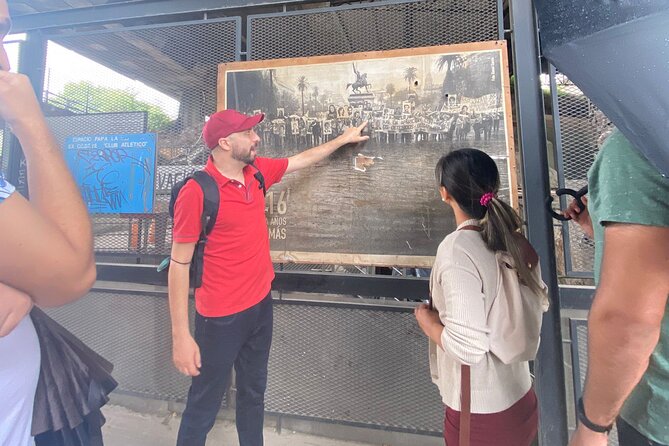
Mercado San Telmo is allotted about 30 minutes, the longest stop in the neighborhood. The market was built by Italian immigrants, a detail that opens up a broader discussion of migration and the people who helped shape the city. You get time to see the market as a place with a history, not merely a convenient stop.
A break for snacks or a bathroom visit may be worked into the outing. One guide, Ignacio, was specifically praised for planning a pause for those needs, and another participant described two coffee or bathroom breaks. Since the exact arrangement may depend on the guide and group, it is sensible to use the market stop when you need a short breather.
The market is one of the more practical parts of the route: it gives you a glimpse of local food and everyday commerce alongside the historic sites. Still, the schedule sets aside around half an hour, so treat it as an introduction rather than a long meal or shopping session.
Memory Walk and Argentina’s recent past
Memory Walk is the most emotionally demanding stop. The site is described as a former clandestine center for detention, torture and extermination, operating from 1976 to 1979. The planned visit is about 20 minutes, but the historical subject may stay with you longer.
This is an important reason the tour is not a standard architecture-and-photo walk. The guide connects places to Argentina’s political history, including events that are recent enough to remain part of public memory. People who want a fuller understanding of the country’s past may find this one of the most meaningful stops.
The material can also be distressing. If you prefer to keep a city walk light, or do not want to engage with the dictatorship period during your visit, consider that before booking. The guide’s role is to explain the place and its context, not to make the subject less serious.
Or spend the day another way:
- Buenos Aires: Hop-On Hop-Off City Bus Tour
★ 4.2 · 1,855 reviews - Buenos Aires Hop-On Hop-Off Bus and Exclusive Benefits
★ 4.4 · 1,714 reviews - Buenos Aires: La Boca Guided Walking Tour in English
★ 4.8 · 1,587 reviews - Buenos Aires: La Recoleta Cemetery Guided Tour in English
★ 4.8 · 1,359 reviews
Puente de la Mujer and Casa Rosada
After San Telmo, the route includes Puente de la Mujer, designed by Spanish architect and structural engineer Santiago Calatrava. The stop lasts about 15 minutes. It introduces a more contemporary landmark before the walk’s final focus on national government.
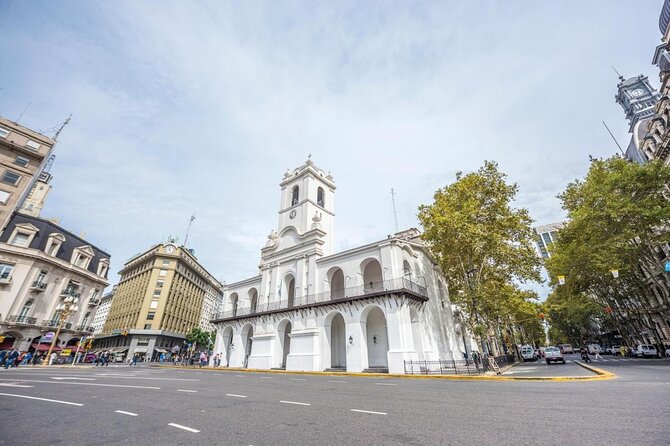
The tour ends at Casa Rosada, the president’s office, with about 25 minutes scheduled there. It is a natural place to close a walk that has moved from the city’s early history through social change and political conflict. The experience lists admission as not included, so do not assume the tour price covers entry or an interior visit.
Plaza de Mayo and Casa Rosada are among the iconic landmarks highlighted for the experience. The route’s value is not simply that it reaches them; it gives you a path from less familiar neighborhood history toward the best-known civic center. That helps the final stop feel connected to the rest of the walk.
Guides, group size and the value of $33
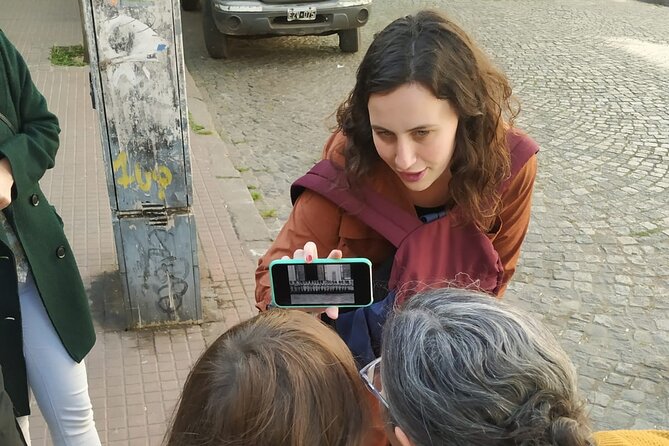
The guide is central to what you get. Nicolás, Nico, Ignacio, Santiago and Sophia are among the guides associated with the experience. Descriptions of their approach emphasize clear explanations, local and historical context, personal stories, maps or old photographs, and an openness to questions. The particular guide is not guaranteed, but the format is built around interpretation rather than a script of quick facts.
A maximum of eight people is a real advantage for a history-heavy tour. In a group this size, you have a better chance to hear the guide and ask about the topics that interest you, whether that is architecture, food, politics or Argentine culture. It can also make the outing feel more like a shared conversation than a large-group procession.
At $33, the price is reasonable if you want a guided overview with substance. You are paying for a two-to-three-hour walking experience, a small group and a route that combines familiar landmarks with less obvious sites. Since nearly all listed stops are free and Casa Rosada admission is not included, the main value is the guide’s time and explanation.
The experience has a 4.9 rating from 80 reviews, with 99 percent recommending it. Those figures are encouraging, but your own fit matters more: this is best for someone who enjoys asking questions and wants to understand the city’s history, not simply tick off sights.
Pace, booking and practical considerations
This is a walking tour, and the route runs through several stops over a few hours. One account raised a fair concern about slow pacing when participants had difficulty keeping up with the group. The tour information says most people can participate, but it does not give a walking distance or a detailed accessibility description. If you have concerns about walking for an extended period, ask the operator before booking.
The tour is popular enough that it is booked, on average, 35 days in advance. That is a planning guide, not a guarantee that you must book that far ahead, but it is worth reserving early if your dates are fixed. Confirmation is provided at booking, and service animals are allowed. The route is near public transportation.
You can cancel for a full refund up to 24 hours before the start time. Changes or cancellations made less than 24 hours ahead are not accepted for a refund. The experience requires good weather; if poor weather leads to cancellation, you are offered another date or a full refund.
Should you book Buenos Aires for Curious People?
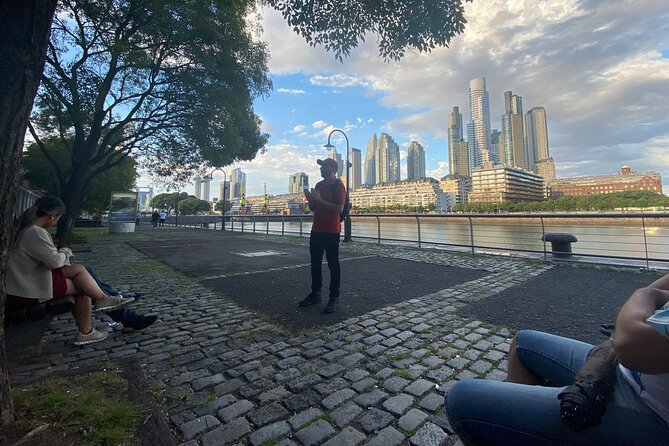
Book this walk if you want San Telmo explained by a guide who can connect its streets, churches and market with Argentina’s wider history. The group cap and the emphasis on questions are especially appealing if you like a personal, thoughtful tour and are comfortable with serious topics.
Skip it if you want a short, light sightseeing loop, lots of unstructured market time or guaranteed entry inside Casa Rosada. For an inquisitive visitor with a few hours to spend on foot, though, the route offers a useful way to understand why Buenos Aires is more than its famous façades.
FAQ
How long is the tour?
It lasts approximately two to three hours.
How much does the tour cost?
The listed price is $33 per person.
What is the maximum group size?
The group is capped at eight travelers.
Where does the tour start?
The listed meeting point is Bar Británico, Brasil 399, Buenos Aires.
Where does the tour end?
The tour ends at Casa Rosada, Balcarce 78, Buenos Aires.
Is admission included at every stop?
Admission is free at the listed stops except Casa Rosada, where admission is not included.
Which places are included on the route?
Stops include Bar Británico, Parque Lezama, Club Sueco Restaurante, Memory Walk, Parroquia de San Pedro González Telmo, Plaza Dorrego, Mercado San Telmo, Puente de la Mujer and Casa Rosada.
Can I bring a service animal?
Yes. Service animals are allowed.
How far in advance is the tour usually booked?
It is booked, on average, 35 days in advance.
What happens if bad weather cancels the tour?
You will be offered a different date or a full refund.
Just added in Buenos Aires
- Tango Show at El Querandi with optional Dinner★ 4.2 · 3 reviews
- Wine Tasting in Buenos Aires★ 4.2 · 4 reviews
- Walking Tour: Buenos Aires bookstores★ 4.3 · 12 reviews
- Velez Sarsfield Football Match★ 5.0 · 3 reviews
- Private Underground Tango Immersion★ 5.0 · 31 reviews
- Transfers from or to the airport In Argentina Your Best Choice★ 5.0 · 28 reviews
- Tour Buenos Aires in one day on Electric Scooters★ 5.0 · 33 reviews
- River Plate Monumental Stadium and Museum Guided Tour★ 4.5 · 39 reviews
Buenos Aires Tours, compared.
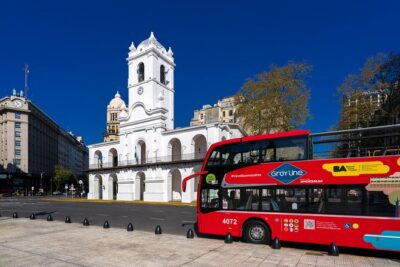
Buenos Aires Hop-On Hop-Off Bus, Free Walking Tours & Discounts
Read our review →
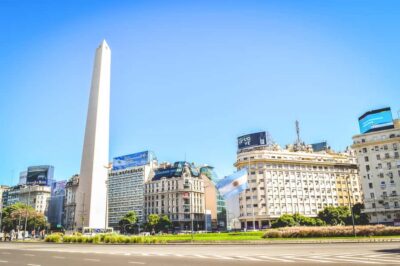
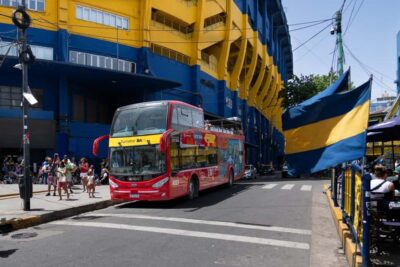
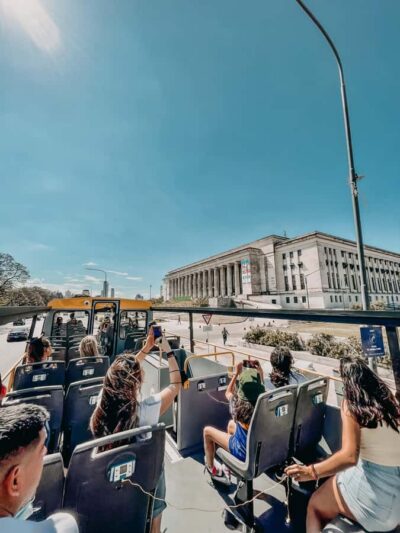
Buenos Aires Hop-On Hop-Off Bus and Exclusive Benefits
Read our review →