Reviewed · BUENOS AIRES TOURS
Buenos Aires: Chacarita, The Largest Cemetery In Argentina
Chacarita is more than a cemetery of grand mausoleums. It is a place to trace Argentine music and culture through the people buried here, from tango legend Carlos Gardel to rock musician Gustavo Cerati, then see how German and British memorial traditions shape neighboring parts of the grounds.
I like two things about this walk: the range of stories, which links music, poetry, sport, and public life, and the small group size, capped at six. Guide Miguel is singled out for his patience and clear explanations, including speaking Spanish slowly for a guest who was still learning.
One consideration: the tour is in Spanish, and the three-hour walk is not suitable for wheelchair users or people with mobility impairments. Bring water, sun protection, and comfortable shoes, and be ready for a substantial visit on foot.
What makes this Chacarita walk worthwhile
- Carlos Gardel and Gustavo Cerati connect two very different eras of Argentine music.
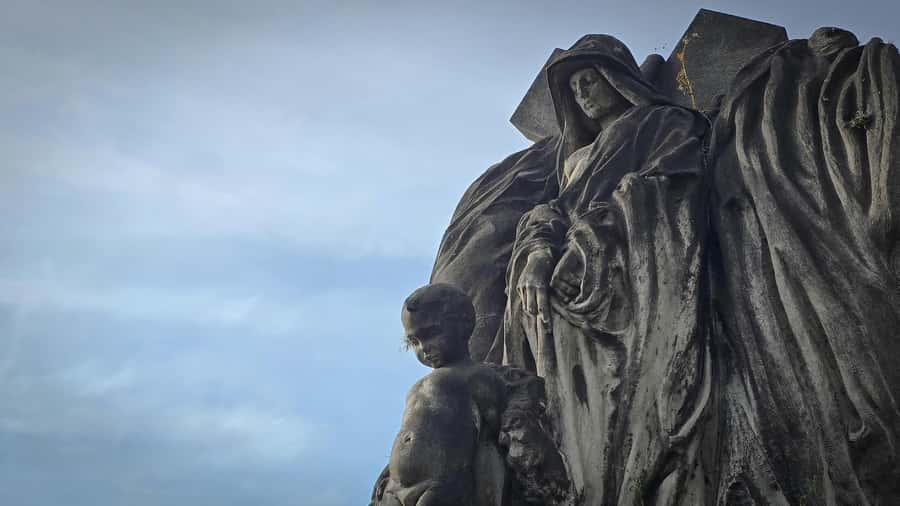
- German and British cemetery sections add distinct memorial styles and religious landmarks to the route.
- Miguel’s Spanish-language guiding is described as patient and attentive, with time for questions.
- A small group of up to six makes it easier to follow the explanations and ask for clarification.
- The three-hour route includes a 10-minute restroom pause, so you can explore at a steady pace.
- The $20 price buys a guided look at a sprawling cemetery and its many cultural threads, rather than a quick stop at one famous tomb.
Why Chacarita tells a different story of Buenos Aires
Chacarita is Argentina’s largest cemetery, and its scale is part of what makes a guided visit useful. The site holds a broad range of memorials and architectural styles, alongside the resting places of people whose work shaped Argentine culture. Without context, it can be hard to know which names and monuments matter, or how to connect one section to the next.
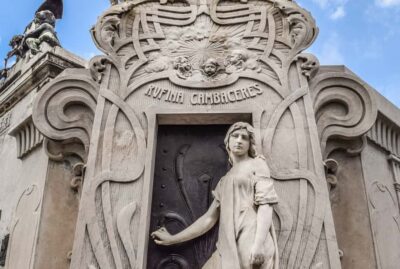
This tour gives you a route through those stories. The focus is not only on famous graves. It also includes the German and British cemeteries, a chapel, a Commonwealth war graves site, and a park stop. Together, they offer a view of how remembrance differs across communities and generations.
The people on the route span music, film, poetry, sport, and public life. Carlos Gardel is the quintessential tango voice; composer and orchestra director Osvaldo Pugliese represents another important strand of tango. Actor Luis Sandrini is remembered for making generations laugh and cry, while poet Alfonsina Storni brings literature into the picture. The tour also visits Gustavo Cerati and Gilda, linking the cemetery to later musical eras.
That variety is the point. You are not signing up for a narrow music tour or an architectural survey alone. You get a guided introduction to a burial ground that reflects several parts of Argentina’s cultural memory.
More tours in Buenos Aires:
- Buenos Aires Hop-On Hop-Off Bus, Free Walking Tours & Discounts
★ 4.5 · 2,218 reviews - Buenos Aires: Piazzolla Tango Show with Optional Dinner
★ 4.4 · 2,122 reviews - Buenos Aires: City Highlights Guided Tour with Transfer
★ 4.7 · 1,946 reviews
From Gardel to Cerati, the music stops
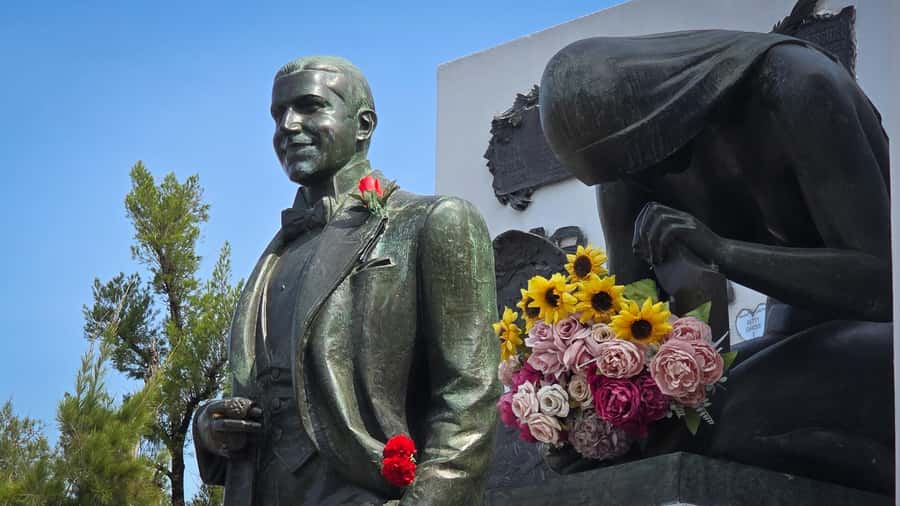
The tour visits the Mausoleo Carlos Gardel, one of its clearest anchors. Gardel’s place in tango gives the stop an immediate cultural frame, even if you arrive knowing only a little about the music. The guide can help place him among other musicians and public figures honored in the cemetery.
The route also includes the mausoleum of Gustavo Cerati, the singer and musician associated with a later generation of Argentine music. Setting these two visits within the same walk makes the passage of time tangible. You move from tango’s defining voice to a modern music icon, with other musical figures along the way.
Gilda’s tomb adds another stop focused on popular music. The itinerary allows 15 minutes here, as it does at Cerati’s mausoleum. That timing gives the guide room to explain the significance of each stop, though it is not a long, private visit at any one grave.
You also visit the tomb of Osvaldo Pugliese, a major tango composer and orchestra director, and pay homage to other musicians. The supplied route does not assign a separate time to every notable figure mentioned, so think of the tour as a guided selection rather than an exhaustive catalogue of Chacarita’s famous burials.
Beyond musicians: actors, poets, and public figures
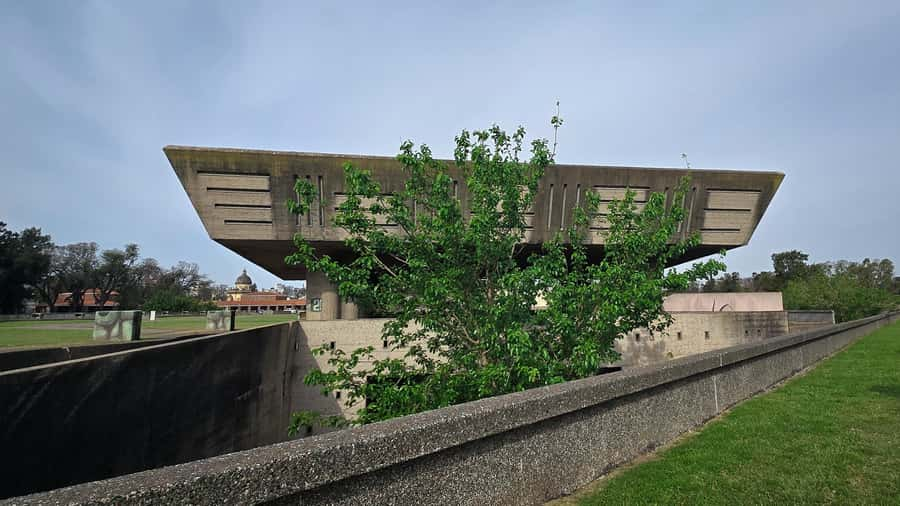
The cemetery’s stories reach beyond music. Luis Sandrini’s grave represents Argentine film and theatre, while Alfonsina Storni’s brings poetry and literary history into the walk. Their inclusion broadens the visit: you see how the cemetery preserves memories of people whose influence was felt in different parts of everyday life.
The route also stops at the mausoleum of Jorge Newbery, a prominent name in the tour’s sequence. Another stop is listed as the mausoleum of Loredo de Subiza María Salomé. These visits underline that Chacarita’s interest does not depend on knowing every name before you arrive. A guide can explain why a person matters and how their story fits the larger picture.
There is a photo stop at the cemetery and at several early stops, but this is not framed as a photography-only outing. The value is in hearing the context while looking at the memorials. If you are most interested in taking your time at a single grave, the group format and three-hour schedule may feel brisk. If you want a broad introduction, the range of stops works in your favor.
German and British memorial traditions
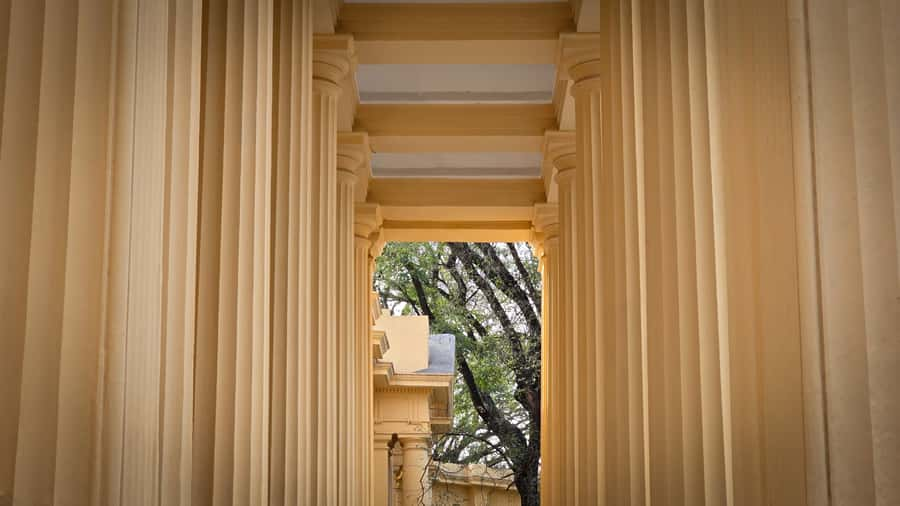
The tour’s visit to the German cemetery and Commonwealth war graves gives Chacarita another dimension. You are not only following individual Argentine biographies. You are also seeing how different communities commemorate the dead, through distinct styles, religious temples, and historical monuments.
The Commonwealth War Graves stop is scheduled for 15 minutes. The German cemetery receives a similar 15-minute visit, with time for guided sightseeing. These are compact introductions, not lengthy specialist tours, but they help break up the sequence of individual tombs and offer a wider view of the site.
The tour description also mentions British cemetery grounds and their notable figures, while the named itinerary includes Commonwealth war graves. Together, these stops make the international aspect of the visit part of the story. The exact details of each monument are best understood with the guide on site, rather than guessed in advance.
A visit to Panteón VI is allotted 30 minutes, the longest single stop listed. The route also includes the cemetery chapel, with a 10-minute guided visit. These communal and religious spaces add variety to a walk otherwise centered on named tombs. You can look at the cemetery not just as a collection of individual memorials, but as a place shaped by institutions and communities.
Or spend the day another way:
- Buenos Aires: Hop-On Hop-Off City Bus Tour
★ 4.2 · 1,855 reviews - Buenos Aires Hop-On Hop-Off Bus and Exclusive Benefits
★ 4.4 · 1,714 reviews - Buenos Aires: La Boca Guided Walking Tour in English
★ 4.8 · 1,587 reviews - Buenos Aires: La Recoleta Cemetery Guided Tour in English
★ 4.8 · 1,359 reviews
The route, pace, and what three hours feels like
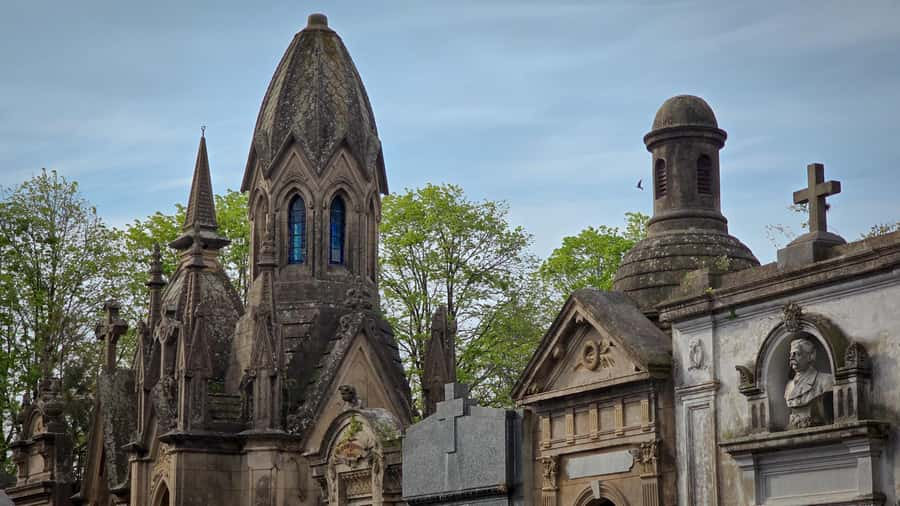
The experience starts at the main door of Chacarita Cemetery. From there, the itinerary moves through the cemetery’s principal stops: the general grounds, Gardel’s mausoleum, Jorge Newbery’s mausoleum, the Loredo de Subiza María Salomé mausoleum, and the tombs of Cerati and Gilda.
Later, you visit the chapel, Panteón VI, Commonwealth war graves, the German cemetery, and Elcano Park. The park stop is listed as a 10-minute guided visit and sightseeing stop. The route is therefore a mix of short explanations, longer pauses at selected sites, and movement between sections.
The schedule lists 10 to 15 minutes for many stops, with 30 minutes at Panteón VI. The tour also includes a 10-minute pause for the restroom. Three hours is enough to cover a substantial range, but it does not mean you will have a long independent visit at every monument. You are there to follow a curated path and hear the guide connect the places.
The group is limited to six people, a practical advantage in a large cemetery. With fewer people, it should be easier to hear the guide and ask questions without turning each stop into a crowd. Miguel is described as patient and attentive, and one guest learning Spanish appreciated that he spoke slowly. The tour remains Spanish-language, though, so do not book expecting an English-guided experience.
What the guide adds
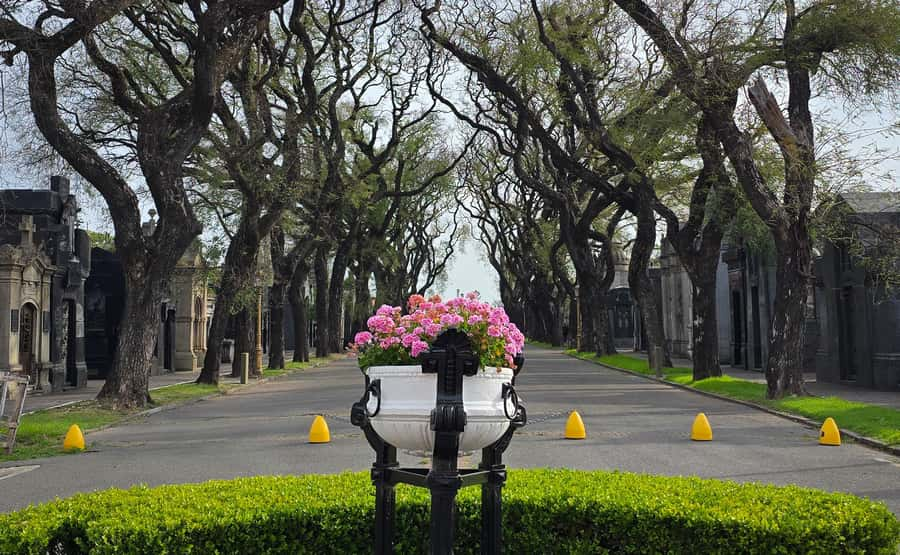
A cemetery can be visually striking and still leave you wondering what you are looking at. The guide’s role here is to connect names, monuments, and cultural history. Miguel is repeatedly praised for being patient, answering questions, and conveying strong knowledge of the cemetery and the city’s stories.
That matters especially on a route with such a wide range of subjects. The guide moves between tango, popular music, poetry, acting, religious spaces, and national or community memorials. A strong explanation can turn a brief stop into a useful piece of context, rather than just another name on a stone.
The tour is also described as lasting the announced time, even in rainy weather. That is useful to know if the forecast looks uncertain, though you should still dress for the conditions. A hat, sunscreen, and water are recommended, and comfortable shoes are essential for a three-hour walking tour.
Is $20 good value?
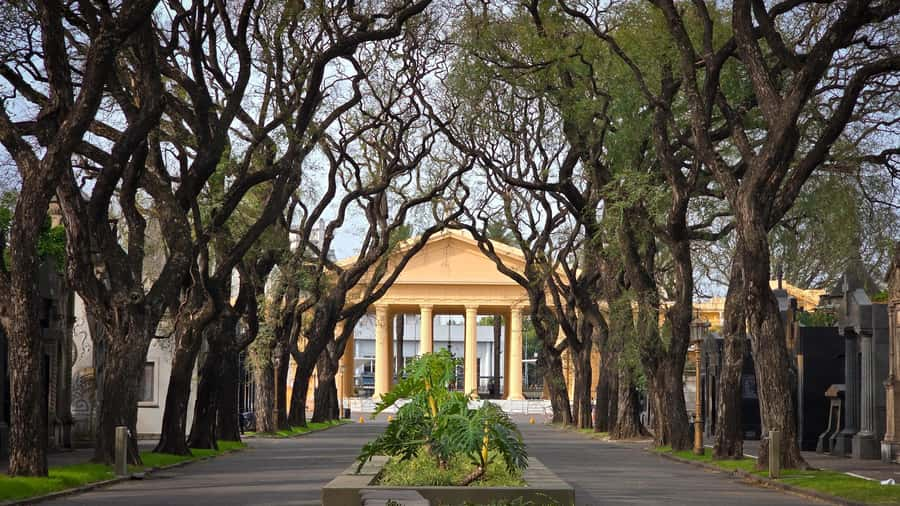
At $20 per person, the price is reasonable for a three-hour guided walk in a group of no more than six. You are paying for more than access to a famous grave: the route covers several cultural figures, two cemetery traditions, war graves, a chapel, and Panteón VI, with a guide to explain what links them.
The strongest value comes if you enjoy learning as you walk. Miguel’s patience and ability to answer questions are repeatedly highlighted, which suggests the personal side of the experience is a key part of what you are paying for. If you prefer to wander alone, or mainly want a quick photo at Gardel’s tomb, the guided format may be more than you need.
The available details do not specify whether any separate admission cost applies, so check the booking information before you go if that matters to your budget. The stated tour price is $20 per person.
Who should book this walk?
I would choose this tour if Argentine music is high on your list, or if you want a guided look at a major cemetery beyond the better-known individual graves. The contrast between Gardel and Cerati is a particularly good reason to go, while the German and British sections add variety for anyone interested in memorial architecture and community history.
It also suits visitors who value conversation and questions. The group size is small, and Miguel’s patient style may help if you are comfortable with Spanish but need the guide to speak at a measured pace. Still, the tour is conducted in Spanish, so a basic ability to follow Spanish will make a meaningful difference.
The walk is not suitable for people with mobility impairments or wheelchair users. If that applies to you, this is not the right outing. For everyone else, plan for three hours outdoors and bring the recommended basics.
Should you book?
Book if you want a compact, guided introduction to Chacarita’s cultural figures, architecture, and German and British memorial areas, and you are happy to take the tour in Spanish. At $20, the small-group format and broad route make it a good-value way to understand why this cemetery matters.
Skip it if you need step-free access, want an English-language guide, or would rather spend a long time at one or two graves than follow a set three-hour route. If you do go, bring water and sun protection, wear comfortable shoes, and arrive ready to listen as well as look.
FAQ
How long is the tour?
The guided walking tour lasts three hours and includes a 10-minute restroom pause.
How much does the tour cost?
The listed price is $20 per person.
What language is the tour in?
The live guide speaks Spanish.
How large is the group?
The tour is limited to six participants.
Where is the meeting point?
Meet at the main door to Chacarita Cemetery.
Who is the guide?
The guide is Miguel, who is described as patient and attentive. The tour is conducted in Spanish.
Which famous musicians’ tombs does the tour visit?
Stops include the tombs or mausoleums of Carlos Gardel, Gustavo Cerati, Osvaldo Pugliese, and Gilda.
Does the tour visit German and British memorial sites?
Yes. The route includes the German cemetery and Commonwealth war graves, and the tour also covers British cemetery memorials.
What should I bring?
Bring comfortable shoes, a hat, sunscreen, and water.
Can I cancel or pay later?
You can cancel up to 24 hours in advance for a full refund. Reserve now and pay later is also available.
Just added in Buenos Aires
- Tango Show at El Querandi with optional Dinner★ 4.2 · 3 reviews
- Wine Tasting in Buenos Aires★ 4.2 · 4 reviews
- Walking Tour: Buenos Aires bookstores★ 4.3 · 12 reviews
- Velez Sarsfield Football Match★ 5.0 · 3 reviews
- Private Underground Tango Immersion★ 5.0 · 31 reviews
- Tour Buenos Aires in one day on Electric Scooters★ 5.0 · 33 reviews
- Transfers from or to the airport In Argentina Your Best Choice★ 5.0 · 28 reviews
- Rojo Tango Show: Skip the Line Ticket including Private Transfer★ 4.5 · 40 reviews
Buenos Aires Tours, compared.
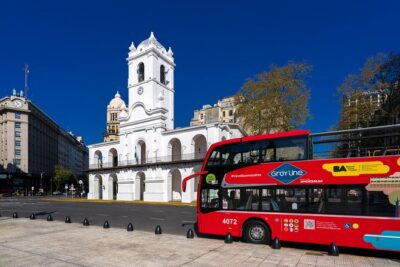
Buenos Aires Hop-On Hop-Off Bus, Free Walking Tours & Discounts
Read our review →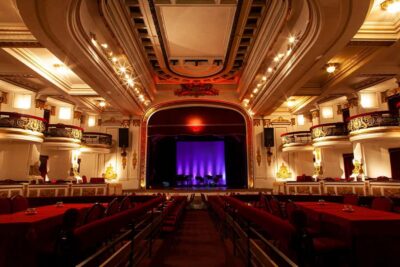


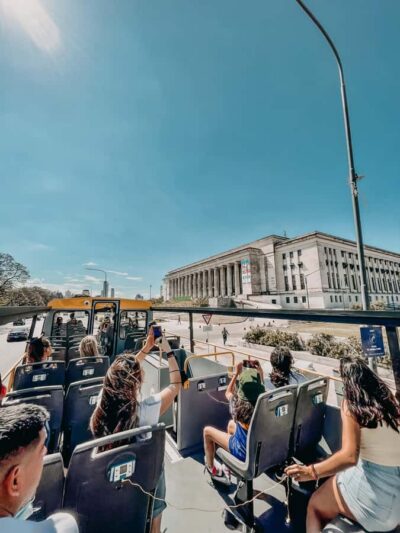
Buenos Aires Hop-On Hop-Off Bus and Exclusive Benefits
Read our review →