
Reviewed · BUENOS AIRES TANGO SHOWS
Boca tour: Tango, Soccer, Art and Immigration
La Boca’s painted Caminito is only part of the story. This guided walk links the street art to the neighborhood’s old port, immigrant housing, tango and Boca Juniors, giving you a clearer sense of how the area’s identity took shape.
I like two things in particular: you travel to La Boca by public bus with your guide, which makes the journey part of the neighborhood experience, and you visit a conventillo as well as the famous Caminito. The small-group format also leaves room for questions and conversation.
One practical catch: the walk covers plenty of ground, and the stadium entrance fee and bus ticket are not included in the $50 price. You can experience the stadium’s atmosphere from outside, but going in means paying extra.
- A bus ride sets the scene: Meet your guide at Viajero Hostel, then ride together to La Boca.
- A conventillo adds context: See the kind of shared housing where immigrants stayed.
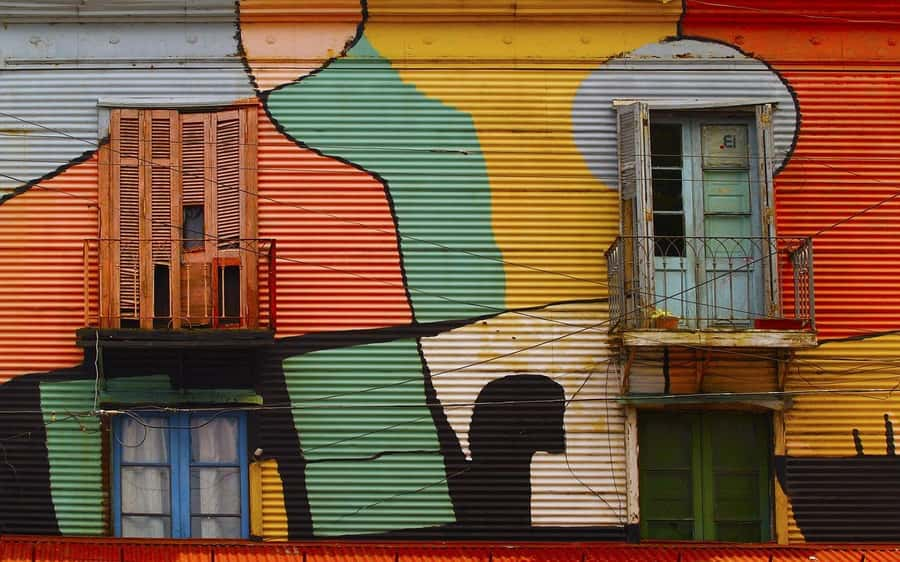
- Caminito is more than a photo stop: Its painted buildings, murals and street art are part of the neighborhood’s public life.
- Football takes center stage: The route reaches La Bombonera, home of Boca Juniors, though stadium admission is extra.
- Three languages are offered: Tours are available in English, Spanish and Portuguese.
- The walk ends near food options: Finish by the port, beside a street with a range of places to eat.
From the city meeting point to La Boca’s old port
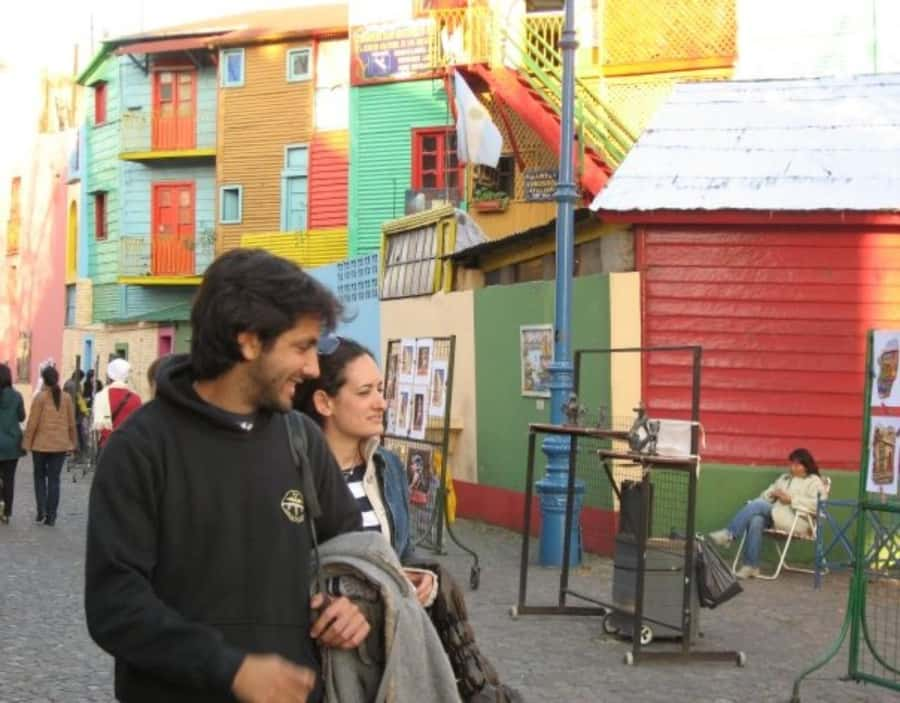
The tour meets at 11 am on Tuesdays and Fridays at Viajero Hostel, Venezuela 649. From there, you take a public bus to La Boca with your guide. The bus fare is not part of the tour price, so bring a little money for that separate expense.
Starting with public transit has a practical upside: you do not have to figure out the route to the neighborhood on your own. It also gives your guide a chance to set up the walk before you reach the main sights. The trip is part of the outing, not a private transfer, so expect an ordinary city bus rather than a vehicle reserved for the group.
The meeting point is in the city, not in La Boca. That matters if you are planning your day around the tour: allow time to reach Venezuela 649 before 11, and confirm the starting time when you book, since availability can vary. The stated tour length is 150 minutes, while the walking portion is described as two hours. In practice, plan on about two and a half hours for the experience.
At the old port, history comes into focus
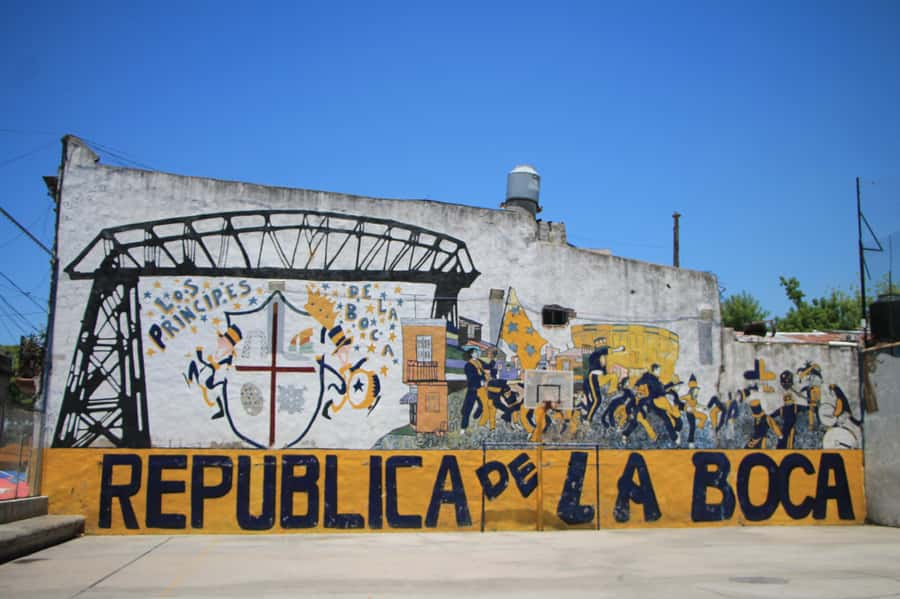
The walk begins near La Boca’s old port, where the guide introduces the neighborhood’s past and its mix of cultures. Italian immigration is a key part of that story. Rather than treating tango and football as separate attractions, the tour connects both to the people and communities that shaped La Boca.
That context is useful because the neighborhood’s famous sights can be easy to take at face value. You can admire painted walls and take pictures of Caminito, but the guide’s account helps you understand why immigration and local identity matter to the area. You’ll also hear about the origins of tango music, one of the tour’s central themes.
The port is a good place to begin because it gives the walk a sense of place before you move into the better-known streets. The supplied itinerary does not promise a visit inside any port building or a particular harbor activity, so think of this as a guided look at the area and its history rather than a working-port tour.
More La Boca tours in Buenos Aires:
- Buenos Aires: La Boca Guided Walking Tour in English
★ 4.8 · 1,587 reviews - Buenos Aires: Tickets to Boca Juniors Museum & Stadium
★ 4.5 · 581 reviews - Buenos Aires: Navigation from Pto. Madero to La Boca
★ 4.1 · 147 reviews
A conventillo reveals the neighborhood’s immigrant past
One of the more meaningful stops is a conventillo, a type of house where immigrants stayed. That visit gives you a more tangible link to the immigration story than a street-side explanation alone. It helps make the neighborhood’s cultural mix feel connected to everyday living, not just dates and labels.
The tour does not specify how long you spend inside or what rooms you will see. Still, the stop adds a useful contrast to Caminito: the famous street offers color and spectacle, while the conventillo points toward the homes and living arrangements behind the neighborhood’s history.
If you like tours that explain how people lived as well as what they built, this is likely to be one of the most rewarding parts. If you are mainly after architectural interiors, though, keep expectations modest. The focus is a short neighborhood visit, not an extended house tour.
Caminito’s color, murals and street life
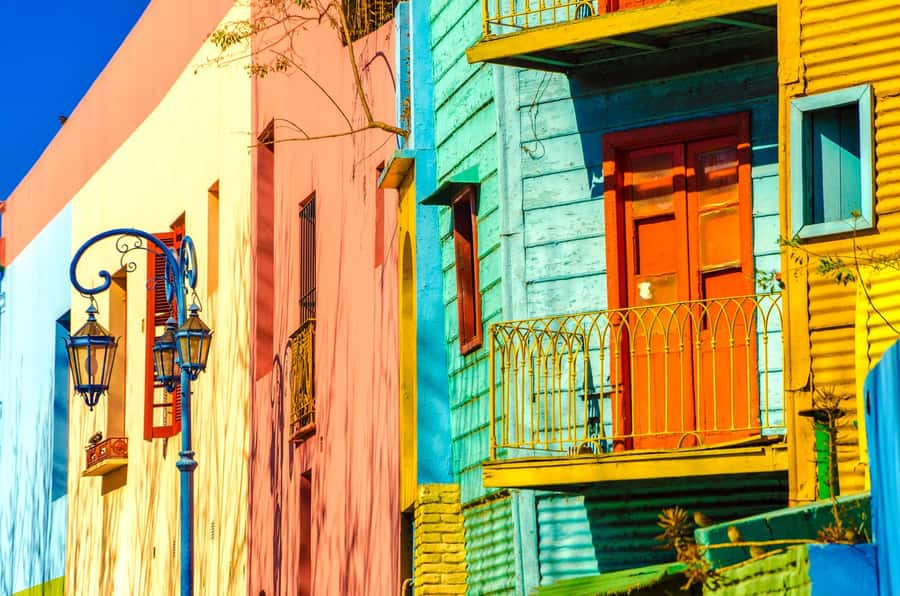
Caminito is La Boca’s best-known pedestrian street, with brightly painted buildings, murals and street art. It is the part of the walk most likely to fill your camera roll. The guide helps put the displays in context, so you can look beyond the obvious photo angles and notice how art contributes to the neighborhood’s public identity.
This is also where the tour’s balance matters. Caminito is lively and visually striking, but it is a popular stop, and the atmosphere can feel more visitor-oriented than the residential parts of the walk. The guide’s historical framing helps keep the visit grounded in La Boca rather than reducing it to a colorful backdrop.
Bring a camera if you enjoy photographing street scenes, but leave room to listen and look around. The tour also includes football graffiti and other street art, so the visual story continues beyond the main pedestrian stretch. Comfortable shoes are essential: you will be walking through several areas, not just stopping briefly for a picture.
La Bombonera and the pull of Argentine football
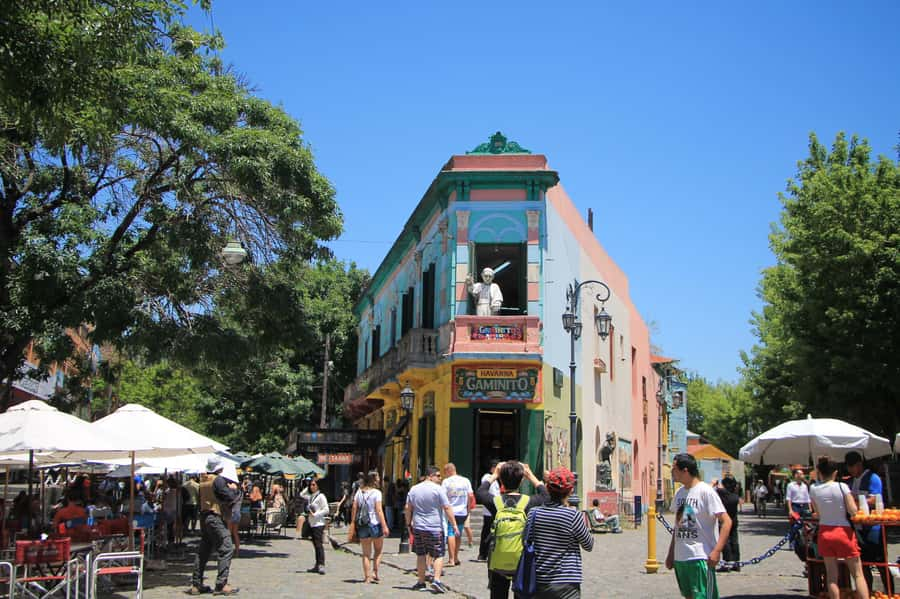
The route reaches Boca Juniors’ stadium, La Bombonera, a landmark closely tied to Argentine football culture. Even from outside, it gives you a sense of the club’s place in La Boca. The guide can explain why the stadium matters to the neighborhood and how football fits into its identity.
There is an important distinction between seeing the stadium and entering it. Admission is not included in the $50 tour price, so budget separately if you want to go inside. The walk is not a stadium tour, and the information provided does not promise access to the stands, museum or match facilities.
For football fans, the stop is a strong reason to book. You get the setting and local context without having to arrange a separate walk through the neighborhood. If you are not especially interested in soccer, the stadium still works as a cultural landmark, but Caminito, the conventillo and the immigration story may be the stronger draws.
More football tours in Buenos Aires:
- Soccer Match in Buenos Aires with Transfers and Local Guide
★ 5.0 · 103 reviews - Buenos Aires: Boca Juniors and River Plate Football Tour
★ 4.3 · 82 reviews - La Boca, a collective creation: Port, immigrants, arts and football
★ 5.0 · 58 reviews - Buenos Aires: Tickets to Soccer Matches
★ 4.8 · 58 reviews
Plaza República de La Boca and a food-friendly finish
The listed route also includes Plaza República de La Boca, along with views of football graffiti and street art. These stops round out the walk beyond the central Caminito stretch. They give the guide more ground to connect the neighborhood’s visual culture with its football loyalties and community identity.
The tour finishes near the port, in front of a street with a range of places to eat. Meals and drinks are not included, which is useful to know when comparing the price. You can make your own choice about lunch after the walk, rather than being tied to a group meal or fixed restaurant stop.
The finish is practical, too: you end near food options after a walking tour, when you may be ready for a break. The experience does not specify a restaurant recommendation or include time for a sit-down meal, so treat lunch as your own post-tour plan.
What the $50 price gets you
At $50 per person, the main value is the local guide and the route through several sides of La Boca in one outing. You get a public-bus journey with the guide, a two-hour walking tour, the old port, a conventillo, Caminito, the stadium area, the plaza and street art, all within a stated 150-minute experience.
That is a reasonable bundle if you want help understanding the neighborhood rather than simply finding Caminito and taking photos. The strongest value comes from the connections between immigration, tango and football. Those themes give the walk more substance than a checklist of colorful streets and famous landmarks.
The price does not cover the bus ticket, food, drinks or entrance to Boca Juniors stadium. Add those costs if they matter to your plans. You are paying for a guided neighborhood walk, not a stadium admission package or a meal-inclusive excursion.
The group is described as limited in size, though no exact maximum is given. That can make it easier to hear the guide and ask questions, but do not assume it is a private tour. English, Spanish and Portuguese are offered; check the available language and departure details when choosing a date.
The guide can shape the whole experience
A walk like this depends heavily on the person leading it. Juliette is one guide name associated with the experience, and her explanations and attention to safety were especially appreciated. Another guide was described as clear, interactive and friendly, including on the bus ride from the meeting point. Those details suggest a tour that can feel conversational rather than scripted, though you should not count on having a particular guide on your date.
The most frequently praised qualities were clear explanations, strong knowledge of the subject and a warm manner. That matters in La Boca, where you can see the visual appeal quickly but need context to connect the street art, immigrant history, tango and football. A good guide helps make those links without turning the walk into a lecture.
A small group can make it easier to ask questions, but the exact group size is not specified. If you have a particular interest, such as tango’s origins or Boca Juniors, bring it up during the walk. The tour’s themes give the guide plenty of room to make those subjects part of the conversation.
Is this La Boca walk right for you?
I would choose this tour if you want to see more than Caminito and prefer having local context as you walk. Its mix of immigrant history, tango, street art and football gives you a rounded introduction to the neighborhood, and the public-bus ride helps keep the outing connected to the city around it.
It is especially suited to first-time visitors, culture-minded walkers and football fans who are happy to see La Bombonera from the outside unless they pay extra for admission. It is less suitable if you need a step-free route: the tour is not recommended for wheelchair users and involves a lot of walking. It is also not suitable for people over 95, according to the activity details.
Book if you value a guide’s explanations and want a compact, varied introduction to La Boca. Consider exploring independently if you only want a quick Caminito photo stop or need stadium entry included in the price. Wear comfortable shoes, bring water, and keep a little extra money aside for the bus and any food or admission you choose.
FAQ
How long does the tour last?
The stated duration is 150 minutes. The walking portion is described as two hours, with the public-bus journey included in the overall outing.
Where is the meeting point?
Meet at Viajero Hostel, Venezuela 649, in Buenos Aires.
What days and time does the tour meet?
The stated meeting time is 11 am every Tuesday and Friday. Check availability when booking.
Which languages are available?
The tour is offered in English, Spanish and Portuguese.
Is the public bus fare included?
No. The public bus ticket is not included in the price.
Is entry to La Bombonera included?
No. The entrance fee to Boca Juniors stadium is not included.
What places are included in the walk?
The route includes La Boca’s old port, a conventillo, Caminito, Boca Juniors stadium, Plaza República de La Boca, football graffiti and street art.
Are meals or drinks included?
No. Meals and drinks are not included. The tour finishes near a street with a range of food options.
What should I bring?
Wear comfortable shoes, bring water and take a camera if you want to photograph the painted streets and art.
Is the tour suitable for wheelchair users?
No. The activity is listed as unsuitable for wheelchair users and involves a lot of walking.
More tango shows in Buenos Aires
- Buenos Aires: Piazzolla Tango Show with Optional Dinner
★ 4.4 · 2,122 reviews - Buenos Aires: Tango Show at Tango Porteño & Optional Dinner
★ 4.6 · 981 reviews - Buenos Aires: Madero Tango Show with Optional Dinner
★ 4.3 · 748 reviews - La Ventana Tango Show in Buenos Aires
★ 4.5 · 646 reviews
Just added in Buenos Aires
- Tango Show at El Querandi with optional Dinner★ 4.2 · 3 reviews
- Wine Tasting in Buenos Aires★ 4.2 · 4 reviews
- Walking Tour: Buenos Aires bookstores★ 4.3 · 12 reviews
- Velez Sarsfield Football Match★ 5.0 · 3 reviews
- Private Underground Tango Immersion★ 5.0 · 31 reviews
- Tour Buenos Aires in one day on Electric Scooters★ 5.0 · 33 reviews
- Transfers from or to the airport In Argentina Your Best Choice★ 5.0 · 28 reviews
- River Plate Monumental Stadium and Museum Guided Tour★ 4.5 · 39 reviews
Buenos Aires Tango Shows, compared.
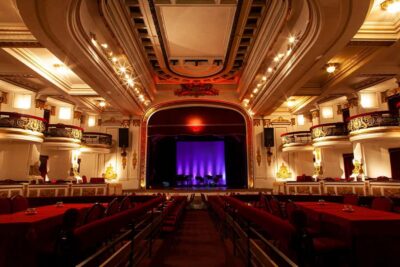


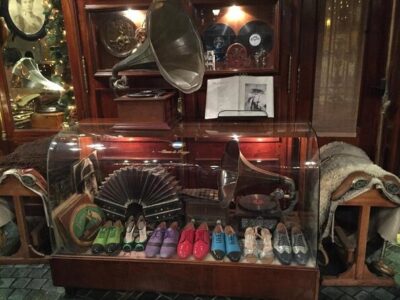

Tango Porteño: The Best Tango Night in Buenos Aires
Read our review →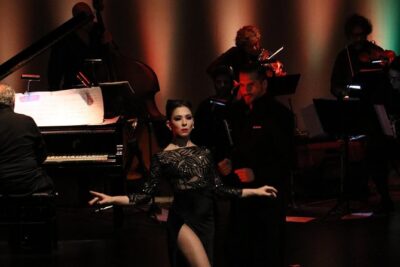


Browse the lists this tour appears in