
Reviewed · RECOLETA TOURS
Recoleta & Cemetery for curious people
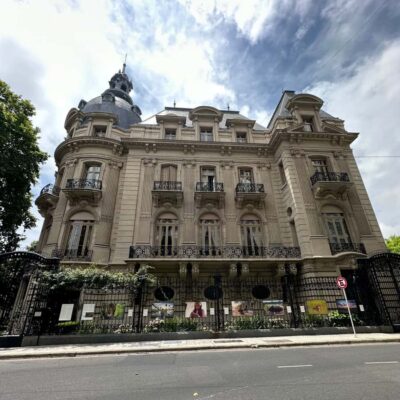
Recoleta’s grand façades tell a story of wealth, ambition, and a Buenos Aires that once wanted to rival Paris. This 150-minute walk connects that Gilded Age to the people buried in Recoleta Cemetery, treating the neighborhood as a place to question, not just admire.
I like two things here: the route links landmark buildings to Argentina’s wider political and social story, and the guide encourages questions instead of delivering a one-way lecture. Recent tours have been led by guides named Nico, Nicolas, and Ignacio, with praise for their historical detail, humor, and willingness to follow a group’s interests.
One consideration: the cemetery ticket is extra, and entering is optional. The walk also covers many stops in two and a half hours, so expect a steady sequence of short visits rather than a long pause at every building.
- A city story told through its buildings: Plaza San Martín, the Kavanagh Building, and grand residences give the guide plenty to interpret.
- A discussion, not just a sightseeing circuit: You are invited to ask questions and examine who built Buenos Aires and whose stories are remembered.
- A substantial cemetery visit: The guided portion at Recoleta Cemetery is scheduled for 45 minutes, the longest single stop.
- Three guide languages: Choose from Spanish, English, or French.
- Admission is separate: You can buy a cemetery ticket at the entrance or online in advance, but it is not part of the $34 price.
- Flexible group options: Private or small-group formats are available, and the tour is listed as wheelchair accessible.
Why Recoleta’s Gilded Age makes a good walking lesson
This walk is built around a useful idea: architecture can reveal who held power, what they valued, and how they wanted the world to see them. In Buenos Aires, the grand buildings of Recoleta and the nearby civic center offer a way into Argentina’s history without reducing it to a list of dates.
The tour frames the neighborhood as an expression of the country’s Gilded Age, when enormous fortunes and political influence belonged to a relatively small elite. The guide asks you to look beyond impressive façades and consider the ambition behind them, including the city’s Parisian image and Argentina’s rise and fall as a country seen as a possible world power.
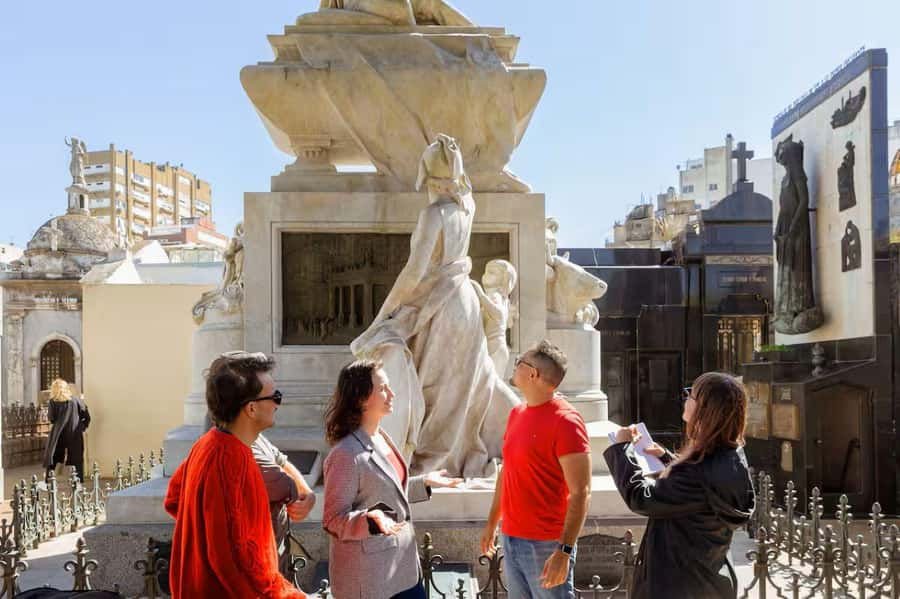
That makes the experience more than a cemetery visit with a few architectural stops attached. You follow a line from public squares and residences to the cemetery, where family tombs and memorials become another way to ask who is honored, who is left out, and how a society chooses to remember itself.
The format suits curious visitors who like to talk through what they see. You are not expected to know Argentine history in advance. The guide provides context, and the conversation gives you room to follow the subjects that interest you most.
From Rapa Nui to Plaza San Martín
The meeting point is the Rapa Nui store, from which the route heads toward Plaza General San Martín. The itinerary gives the plaza two separate 10-minute entries, so expect it to be an important early stop, with time to hear about its place in the city and use it as a starting point for the wider story.
A square can look like a simple patch of green between busy streets. Here, it becomes a way to talk about how Buenos Aires grew and how public spaces help define a capital. The guide’s approach is to use the setting as evidence, asking you to connect the city’s appearance with the people and ambitions that shaped it.
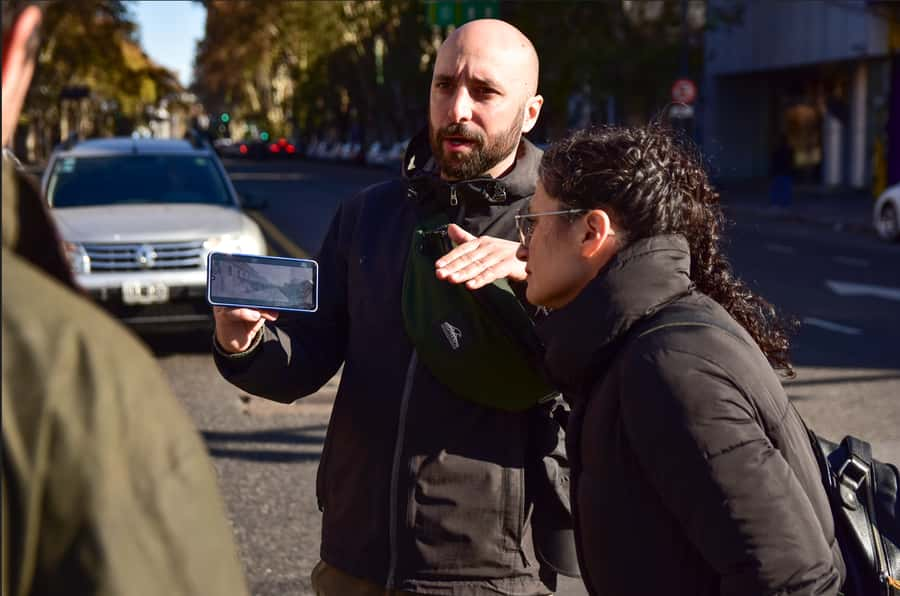
This is an early chance to speak up and set the tone. If you are especially interested in politics, architecture, social class, or the city’s present-day identity, say so. The experience is designed for interaction, and the most rewarding version is likely to be the one where you ask the questions you actually care about.
More Recoleta tours in Buenos Aires:
- Buenos Aires: La Recoleta Cemetery Guided Tour in English
★ 4.8 · 1,359 reviews - Buenos Aires Bike Tour: North Districts, Recoleta and Palermo
★ 4.5 · 91 reviews - Recoleta Cemetery – Small Group Tour of History & Secrets
★ 5.0 · 53 reviews
Reading the Kavanagh Building and Torre Monumental
The Kavanagh Building and Torre Monumental each receive a 10-minute guided stop. The value is not only in seeing famous structures, but in learning how to read their place in Buenos Aires’s public image and urban history.
The tour’s central theme is the city’s ambition to be seen as Parisian. That idea gives these stops a larger frame: you can look at prominent architecture and consider what kind of capital Buenos Aires wanted to become. The guide is there to help decode the choices and stories attached to the buildings, rather than simply point out their names.
Ten minutes is enough for a focused explanation, not an extended architectural study. If you want to linger over every detail or take a long set of photos, the group’s pace may feel brisk. On the other hand, the short stops keep the walk moving and let you compare different expressions of wealth and civic identity across the route.
Mansions, palaces, and the people behind them
Next come Mansión Estrugamou, also identified as Casa Basavilbaso, and Palacio San Martín. Each is scheduled for a 10-minute guided visit. These stops bring the tour’s discussion of landowners and Argentina’s elite into sharper focus.
The point is not simply that the buildings are grand. Their scale and style provide an opening to talk about the fortunes behind them and the social order those fortunes supported. The guide connects the visible opulence with the larger question of how Argentina developed, and why its story did not follow a straight line toward lasting global power.
At Palacio San Martín, you can expect the route to keep building on that connection between architecture and national identity. The itinerary does not promise interior visits, so treat these as guided stops along the walk rather than access to private rooms or a full building tour.
There is a brief five-minute break at a Carrefour Express. It is a practical pause rather than a planned meal stop. Two and a half hours on foot can feel longer in warm weather or if you have been sightseeing all day, so use the moment to catch your breath and handle any small needs before continuing.
French Embassy, Jockey Club, and Palacio Duhau
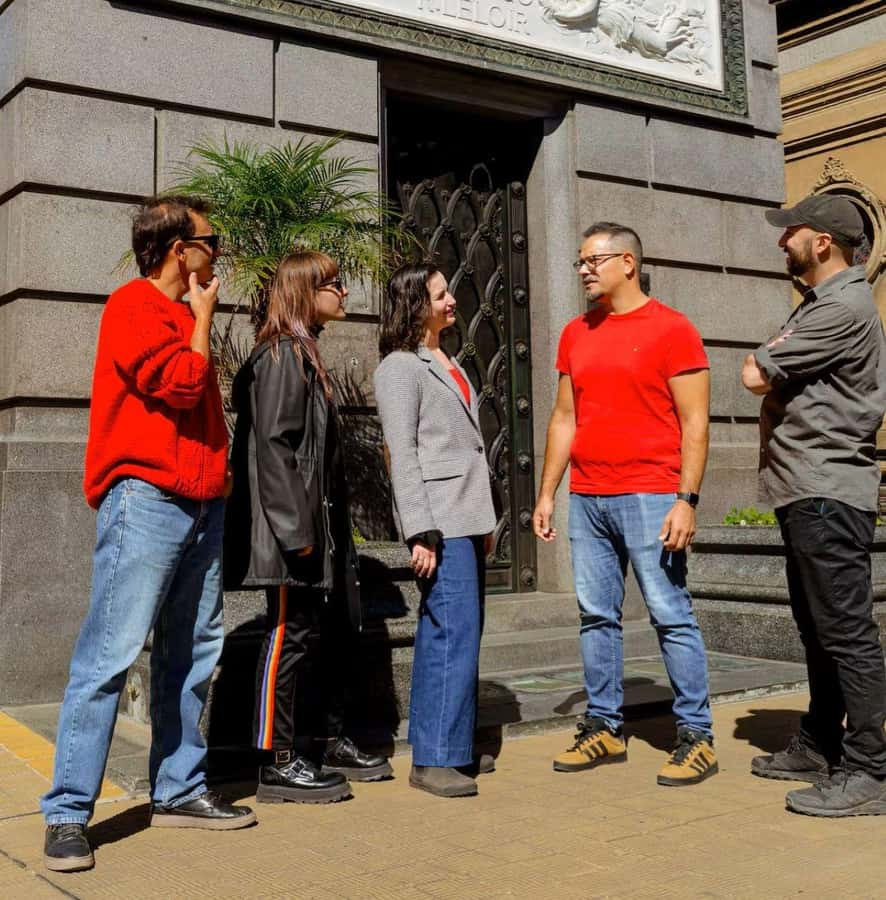
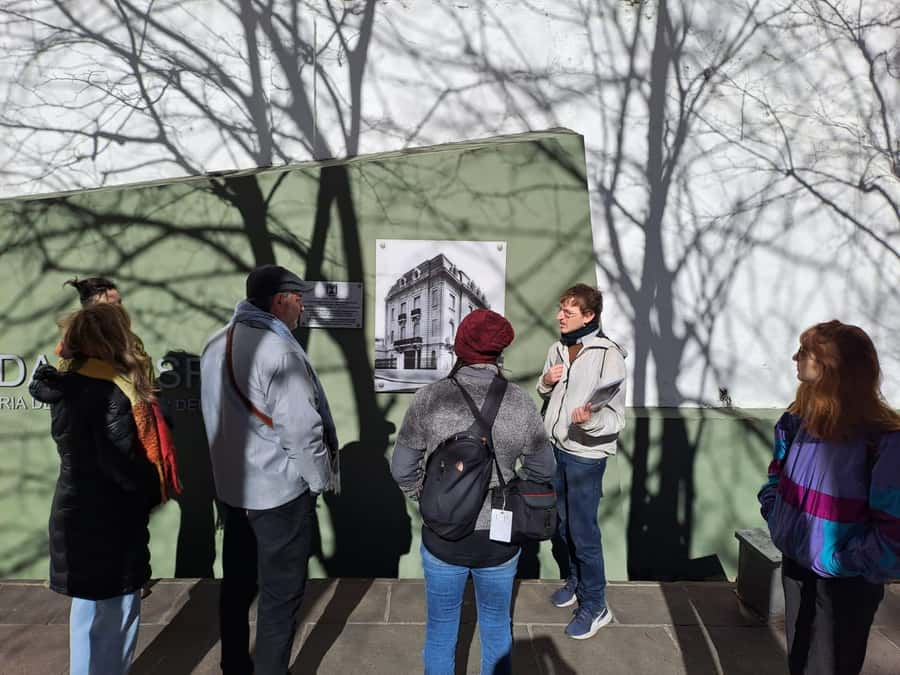
The Embassy of France and the Jockey Club each receive 10 minutes, followed by a five-minute stop at Palacio Duhau, now the Park Hyatt Buenos Aires. Together, these buildings extend the tour’s discussion of French influence, elite life, and the neighborhood’s continuing relationship with its past.
The French Embassy is particularly relevant to the theme of Buenos Aires’s Parisian image. Rather than treating that comparison as a compliment to accept at face value, the guide can use it to examine the city’s ambitions and the cultural influences it chose to adopt.
The Jockey Club adds another point of entry into the world of the wealthy and influential. Palacio Duhau brings the walk into a present-day setting, where a historic palace also operates as a luxury hotel. The contrast gives the guide a chance to connect old status and modern use without pretending the neighborhood’s story ended with the Gilded Age.
These are brief stops, and the route includes several of them. If you prefer long visits at each site, you may find the timing a little compressed. If you like seeing a range of places while a guide ties them together, the sequence should make sense.
More tours in Buenos Aires:
- Buenos Aires Hop-On Hop-Off Bus, Free Walking Tours & Discounts
★ 4.5 · 2,218 reviews - Buenos Aires: Piazzolla Tango Show with Optional Dinner
★ 4.4 · 2,122 reviews - Buenos Aires: City Highlights Guided Tour with Transfer
★ 4.7 · 1,946 reviews - Buenos Aires: Hop-On Hop-Off City Bus Tour
★ 4.2 · 1,855 reviews
Recoleta Cemetery: the main event
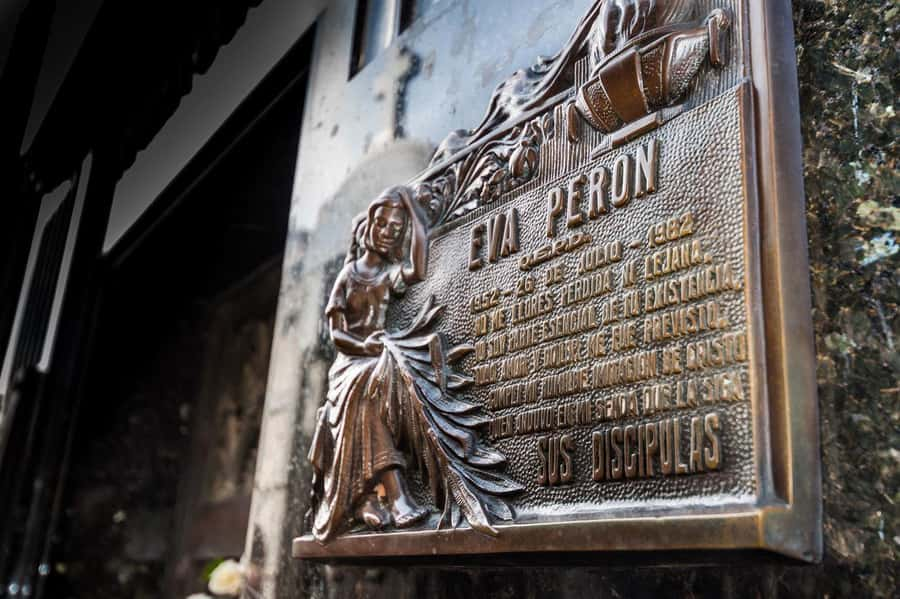
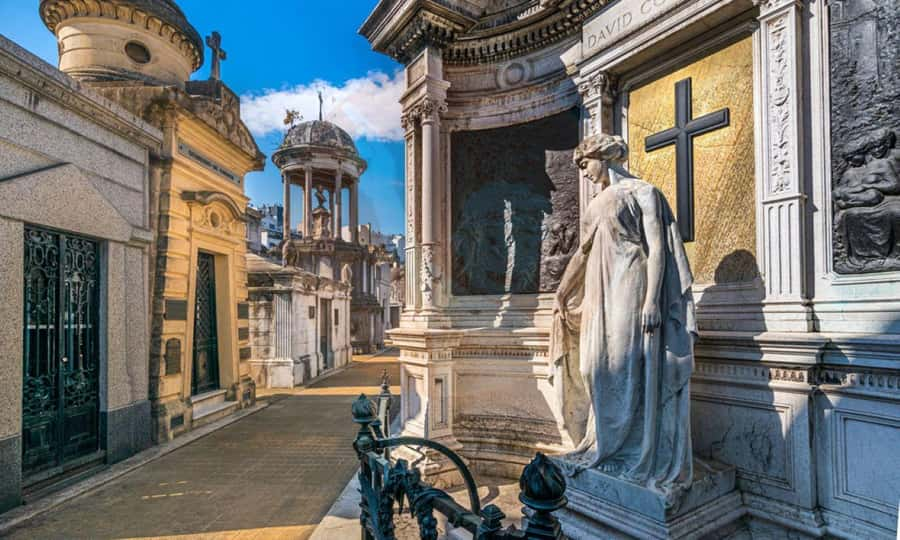
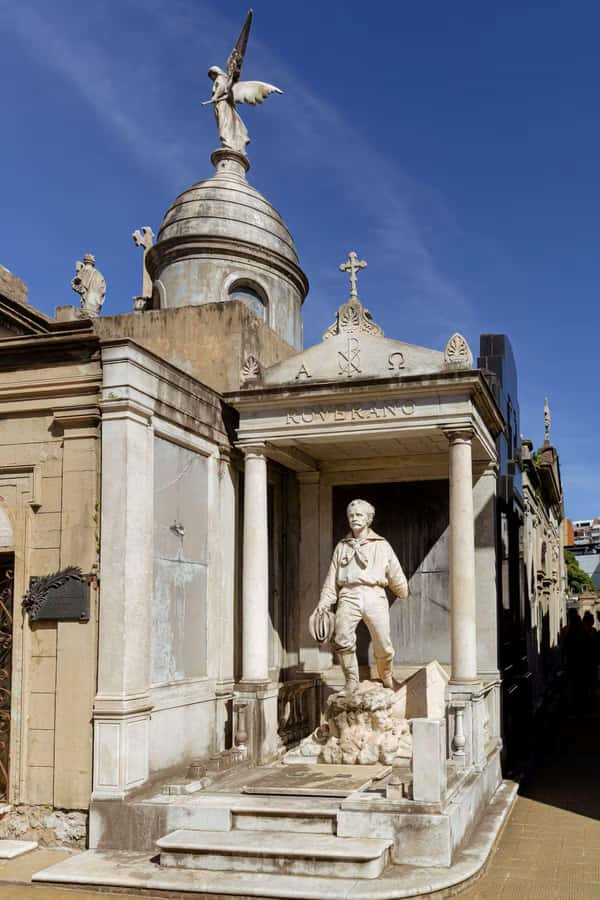
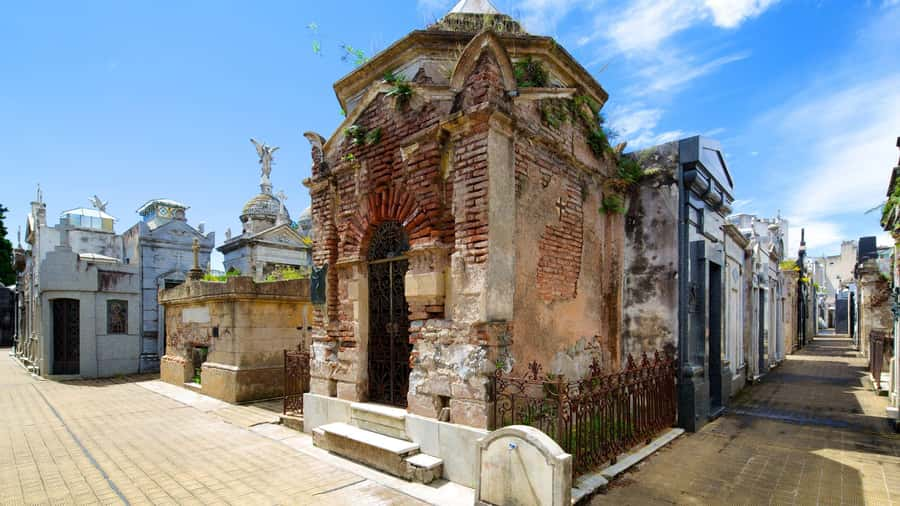
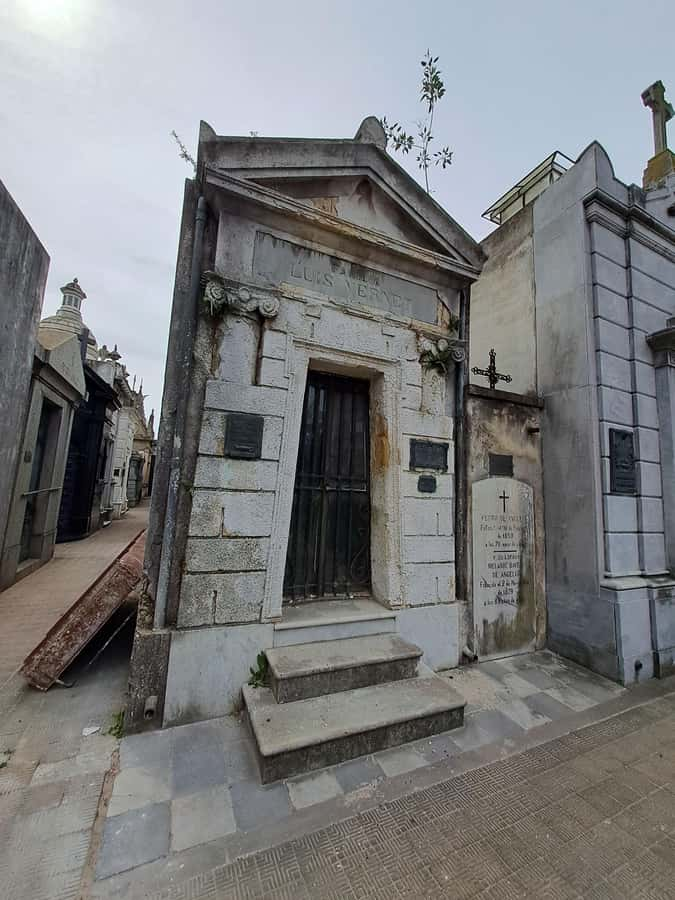
The final stop is Recoleta Cemetery, with 45 minutes set aside for a guided visit. That is the longest stretch at any one site, and rightly so. The cemetery is not presented merely as a collection of elaborate tombs. The tour treats it as a mirror of society, where memorials raise questions about status, memory, and the people whose stories endure.
The guide introduces the people buried there and connects their lives to Argentina’s history. You can expect discussion of who is remembered and what the cemetery’s monuments suggest about the families and social groups represented within its walls. The route’s earlier stops help give this visit context: by the time you reach the cemetery, you have already spent the walk considering wealth, influence, and national identity.
The tour’s guided cemetery portion does not include admission. You can buy a ticket at the entrance or online in advance, and entry itself is optional. If you want the full experience of seeing the cemetery from inside, plan for that additional cost. If you skip entry, you will miss the 45-minute cemetery visit, so check the details before booking rather than assuming the ticket is bundled into the tour price.
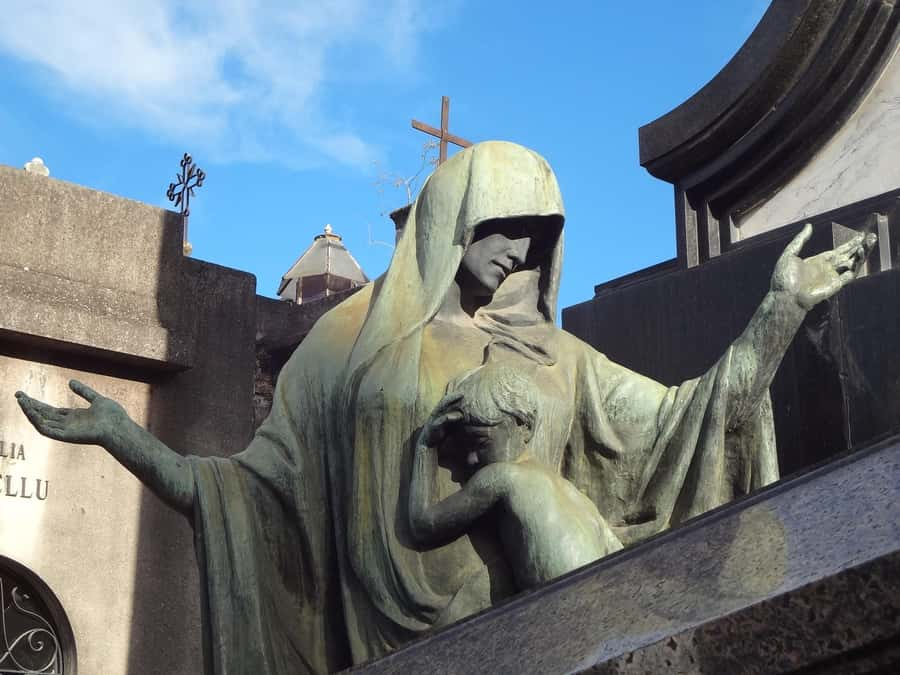
The cemetery is likely to be the most rewarding part for anyone drawn to personal stories and social history. It also brings the tour’s questions into view in a particularly direct way: monuments show who could command space and remembrance, while the guide helps you think about the broader stories that may not be as visible.
What the guide-led format adds
The tour includes a university-degree guide and is intended to be interactive. That matters because the subject is not just a series of facts. Questions about Argentina’s elite, its past as a potential world power, and the city’s future can lead in several directions, and a good guide can make room for those connections.
Nico and Nicolas are names associated with recent tours, while Ignacio has also led the experience. The praise attached to these guides focuses on strong historical command, little-known side stories, humor, and taking time with questions. One useful detail is that Nico reportedly allowed the group to shape how long the walk felt. That does not guarantee every departure will follow the same pace, but it suggests the format can be responsive rather than rigid.
You can book the tour in Spanish, English, or French. Small groups and private formats are available, which may suit you if you prefer more time to ask questions or want a more personal pace. The exact group size is not specified, so confirm that detail if it matters to your plans.
Is $34 good value for 150 minutes?
At $34 per person, this is a paid guided walk rather than a basic orientation stroll. The value comes from the guide’s interpretation and the route’s breadth: you visit public spaces, notable buildings, elite residences, and the cemetery, while following one connected story about wealth and Argentine identity.
The guide’s historical expertise appears to be the main reason to choose this experience over walking the same streets alone. If you are happy to admire façades without much context, you may not need a guided tour. If you want help connecting architecture, class, politics, and memory, the price is easier to justify.
Keep the separate cemetery ticket in mind when comparing costs. The tour’s price does not cover entry, and the amount for admission is not specified here. The booking terms allow you to reserve now and pay later, with free cancellation up to 24 hours in advance for a full refund. The activity is also listed as wheelchair accessible, a practical detail worth confirming against your own needs before setting out.
Who should book this Recoleta walk?
I would recommend it to you if you want Buenos Aires explained through its architecture and social history, and if you enjoy being part of a discussion. It is especially well suited to visitors who want a thoughtful introduction to Recoleta before exploring the neighborhood on their own.
It may be less suitable if you want a slow, photo-focused walk with lengthy stops at every building, or if cemetery admission included in the price is essential to your plans. The pace covers many locations, and the cemetery ticket is extra.
Book it if you value context over a checklist of sights. Before reserving, choose your preferred language and group format, and decide whether you want to enter the cemetery. That small bit of planning will help you get the most from a route that links Buenos Aires’s grandest image with harder questions about who built it and who gets remembered.
FAQ
How long is the tour?
The walk lasts 150 minutes, or two and a half hours.
Is the Recoleta Cemetery ticket included?
No. Cemetery admission is not included. You can buy a ticket at the entrance or online in advance, and entering is optional.
What languages are available?
The guide can lead the tour in Spanish, English, or French.
Where does the tour start?
The meeting point is the Rapa Nui store.
Is the tour wheelchair accessible?
Yes, the activity is listed as wheelchair accessible.
Are private or small-group tours available?
Yes. Private or small-group options are available.
Just added in Buenos Aires
- Tango Show at El Querandi with optional Dinner★ 4.2 · 3 reviews
- Wine Tasting in Buenos Aires★ 4.2 · 4 reviews
- Walking Tour: Buenos Aires bookstores★ 4.3 · 12 reviews
- Velez Sarsfield Football Match★ 5.0 · 3 reviews
- Private Underground Tango Immersion★ 5.0 · 31 reviews
- Tour Buenos Aires in one day on Electric Scooters★ 5.0 · 33 reviews
- Transfers from or to the airport In Argentina Your Best Choice★ 5.0 · 28 reviews
- River Plate Monumental Stadium and Museum Guided Tour★ 4.5 · 39 reviews
Recoleta Tours, compared.
Buenos Aires Bike Tour: North Districts, Recoleta and Palermo
Read our review →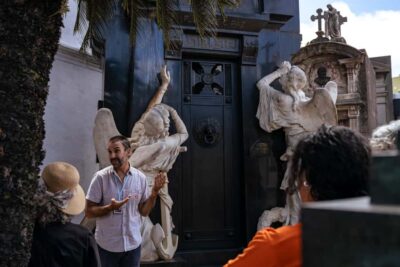
Recoleta Cemetery – Small Group Tour of History & Secrets
Read our review →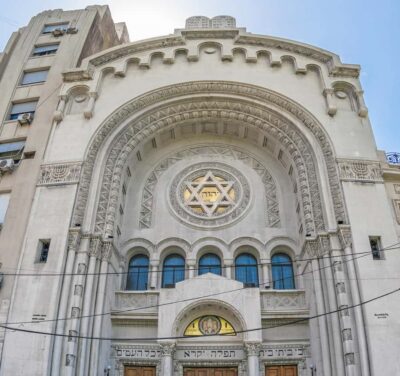
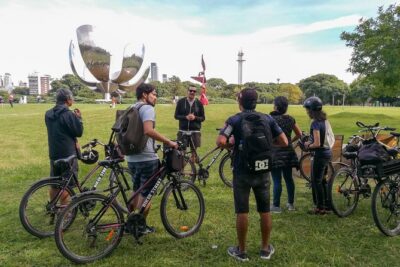
Cultural Experience by Bike around Palermo and Recoleta Max 6 ppl
Read our review →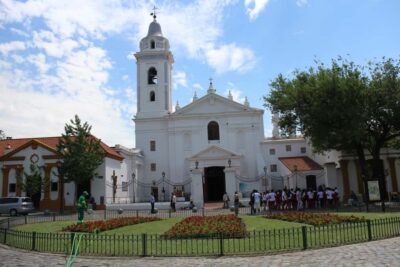
Full Day City Tour Buenos Aires, Recoleta Cemetery and Tigre
Read our review →Browse the lists this tour appears in